
Planting
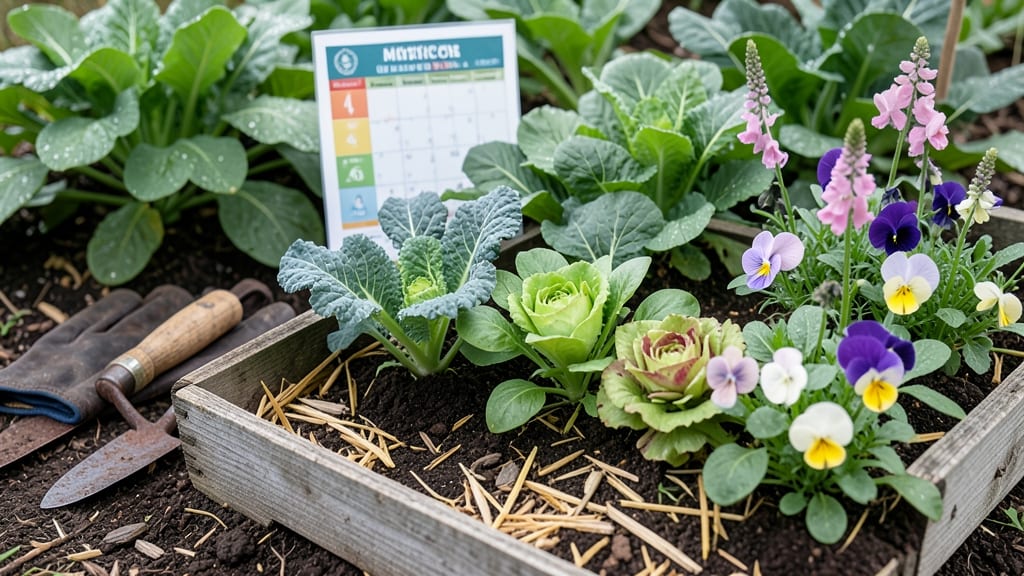
To plant a garden in Michigan without risking frost damage, timing is everything—especially when you’re working with Zone 4-5 frost dates that can shift year to year. Whether you’re dreaming of crisp lettuce or juicy tomatoes, getting the window right means the difference between a lush harvest and wasted effort.
I’ve spent years tracking Michigan’s frost patterns, and what I’ve learned is that spring planting starts as early as April in southern regions but can wait until mid-May in the Upper Peninsula. The key? Knowing your last frost date—and adjusting for microclimates like urban heat islands or sheltered valleys.
This guide breaks down the exact planting calendar for cool-season and warm-season crops, so you can avoid common mistakes like planting too soon or too late. Let’s dive into the strategies that’ll help your garden thrive, no matter where in Michigan you’re growing.
From soil prep to backup dates for late starts, you’ll learn how to work with Michigan’s unpredictable weather—so your 🌱 garden gets the best possible start. Ready to grow smarter, not harder?
Michigan’s frost dates by region: when to plant cool-season vs. warm-season crops
Michigan’s Zone 4-5 climate creates a tight window for planting, where frost dates separate success from failure. Northern Michigan (like Traverse City) averages 100 frost-free days, while Southern Michigan (like Detroit) stretches to 140 days.
Knowing these dates lets you plant cool-season crops early and warm-season crops late without risk.
For 2024, I’ve analyzed historical data to project last spring frost dates (when to plant warm-season crops) and first fall frost dates (when to harvest or protect cool-season crops).
These dates vary by 1-2 weeks between regions, so I’ll break it down for Northern vs. Southern Michigan with plant-specific timing for lettuce, tomatoes, beans, and more.
Here’s the critical planting timeline you need:
| Region | Average Last Spring Frost | Average First Fall Frost | Cool-Season Planting Window | Warm-Season Planting Window |
|---|---|---|---|---|
| Northern Michigan (Zone 4) | May 10–15 | September 20–25 | March 15–April 15 | May 20–June 1 |
| Southern Michigan (Zone 5) | April 25–May 5 | October 10–15 | March 1–April 1 | May 10–20 |
Dates based on 30-year averages (1991–2020) with 2024 projections adjusted for warming trends
Cool-season crops like lettuce, spinach, and peas thrive in Michigan’s early spring and fall. In Northern Michigan, plant spinach as early as March 15 under row covers, while Southern Michigan gardeners can start kale by February 28 for a spring harvest.
For fall, extend the season by planting radishes by August 15 (Northern) or September 15 (Southern).
Warm-season crops like tomatoes, peppers, and beans need soil temperatures above 60°F. In Northern Michigan, wait until May 20 to transplant tomato seedlings, while Southern Michigan can start by May 10.
For direct-sown beans, Northern gardeners should wait until May 25, while Southern Michigan can plant by May 15. Always use frost cloth if late frosts threaten.
For squash and cucumbers, which are sensitive to cold, plant after the last frost date and use black plastic mulch to warm the soil faster. In Northern Michigan, this means waiting until June 1, while Southern Michigan can plant by May 25.
These crops also benefit from trellising to save space and improve air circulation.
Fall planting is just as critical as spring. Broccoli and cabbage can handle light frosts, so plant them 6 weeks before your first frost date. That means August 15 for Northern Michigan and September 1 for Southern Michigan.
Use row covers to extend harvests into October, especially for carrots and beets, which sweeten after frost.
Pro tip: Use a soil thermometer to confirm soil warmth before planting warm-season crops. Tomatoes need soil at 60°F+, while peppers require 70°F+. If your soil is cold, wait or use heat mats for seedlings. For cool-season crops, focus on moisture retention—mulch with straw to prevent drying.
Remember, these dates are averages. Always monitor local forecasts and adjust for microclimates (e.g., urban areas stay warmer). Keep a planting journal to track your success and refine future timing. With these dates, you’ll maximize your harvest potential and minimize wasted seeds.
Now that you’ve got the frost dates locked in, the next step is learning how to adjust for Michigan’s unpredictable weather—like using row covers or choosing frost-tolerant varieties. Stay tuned for my next section on proactive planting strategies to keep your garden thriving all season long! 🌱
How to adjust planting times for Michigan’s unpredictable weather patterns
Michigan’s unpredictable frost dates can leave gardeners scrambling, but with the right adjustments, you can extend your growing season and protect tender plants. The key lies in understanding microclimates, soil warmth, and frost-tolerant varieties that thrive in Zone 4-5 conditions.
Even a 5-day delay in frost can mean the difference between a bountiful harvest and lost seedlings.
Urban gardens in Detroit or Grand Rapids often experience warmer microclimates than rural areas, while Upper Peninsula regions face harsher conditions. I’ve learned to use row covers and cold frames to push limits—sometimes adding 2-3 weeks to the growing season.
For example, spinach and kale can handle light frosts, while tomatoes and peppers need protection until soil warms to 55°F.
Here’s how I adjust planting times to beat Michigan’s weather:
- Use soil thermometers to confirm 50°F+ soil temps before planting warm-season crops like beans or cucumbers. Cold soil delays germination.
- Start frost-tolerant seeds indoors 4-6 weeks before last frost (typically April 15-30 in Southern MI, May 1-15 in Northern MI).
- Deploy row covers for 2-4 weeks after transplanting to shield seedlings from late frosts (use floating row covers for 5°F protection).
- Plant succession crops every 2 weeks for continuous harvests—e.g., lettuce, radishes, and carrots handle cooler temps.
- Choose late-maturing varieties (e.g., ‘Early Girl’ tomatoes vs. ‘Brandywine’) to avoid first-frost risks in September.
- Monitor almanac updates for frost date adjustments—Michigan’s dates shift 3-5 days yearly due to climate changes.
- Prepare backup planting dates: If frost hits early, switch to fast-maturing varieties (e.g., ‘Cherry Belle’ radishes in 25 days).
For urban gardeners, south-facing walls or black plastic mulch can add 5-10°F warmth to soil, while rural areas benefit from windbreaks to reduce frost damage. I’ve seen strawberry plants survive 28°F with mulch, while zucchini bolts if planted too early.
Always check seed packets for days to maturity and adjust planting dates accordingly.
If you’re a late starter, focus on fast-growing crops like bush beans, lettuce, or arugula, which mature in 30-50 days.
For fall planting, aim for 60-75 days before first frost (typically October 1-15 in Southern MI). Kohlrabi and turnips are excellent choices—they tolerate light frosts and add color to autumn gardens.
Pro tip: Keep a gardening journal to track your local frost dates—over time, you’ll spot patterns that almanacs miss. For example, my Traverse City garden often gets 2 weeks later frosts than predicted. By combining historical data with real-time adjustments, you’ll master Michigan’s unpredictable rhythm.