
Plants
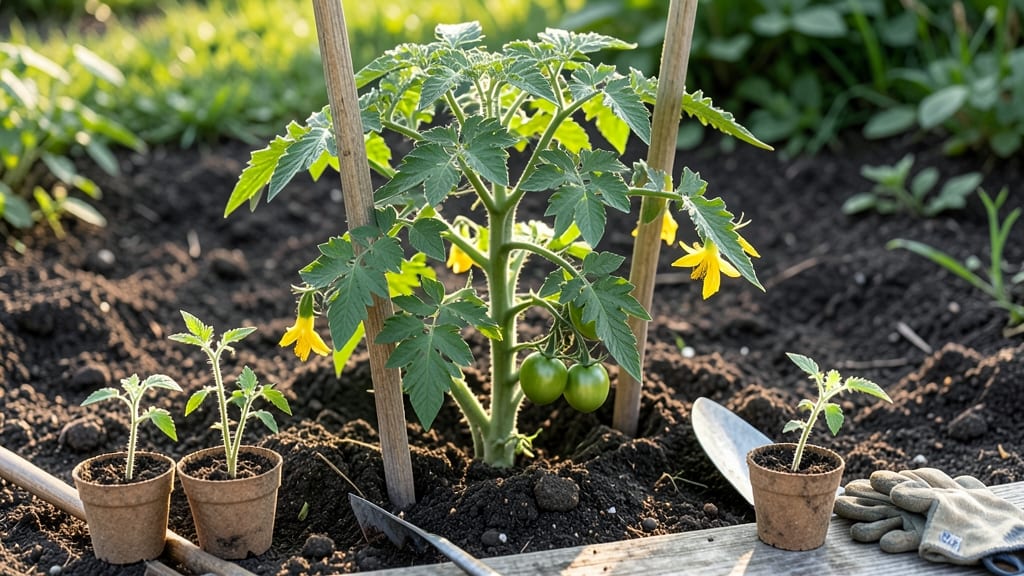
Planting tomatoes in Illinois at the wrong time can turn your garden dreams into a frost-killed disappointment—especially when temperatures swing wildly between 5b and 6b zones.
The key to a thriving 🍅 harvest lies in knowing the precise window for your county, whether you're starting seeds indoors or transplanting seedlings after the last frost.
Most Illinois gardeners wait until mid-April to mid-May, but that’s just the starting point. Northern counties like Chicago’s suburbs face later frost risks, while Southern regions near St. Louis can plant earlier.
I’ll break down the exact dates you need to avoid common mistakes and maximize your 70-day harvest window before fall chills set in.
You’ll also discover how to adjust for unpredictable weather, from using soil thermometers to extending your season with row covers. Whether you’re a beginner or a seasoned gardener, these region-specific tips will help you time your planting perfectly for juicy, homegrown tomatoes all summer long.
Ready to turn your garden into a productive tomato powerhouse? Let’s dive into the exact planting schedule that works for your corner of Illinois—so you can enjoy fresh 🍅 from July through October without a single frost-related setback.
Illinois county-specific tomato planting dates by frost zone
Planting tomatoes in Illinois requires precision—especially when moving from the cool northern counties to the warmer southern regions. The state spans USDA zones 5b-6b, meaning your last frost dates can vary by 3-4 weeks between regions.
Northern Illinois gardeners face earlier frosts, while southern counties enjoy longer growing seasons. Let’s break down the optimal planting windows by region to ensure your tomato plants thrive.
For Northern Illinois (USDA zones 5a-5b), like Cook, Lake, and Winnebago counties, the average last frost date falls around April 25-May 5. This means you’ll want to start seedlings indoors by March 15 and transplant after May 10—once soil temperatures hit 60°F.
In Central Illinois (USDA zone 5b-6a), such as Champaign, Ford, and Sangamon counties, the window shifts slightly later, with last frosts around April 15-May 1 and ideal transplanting dates between April 25-May 15.
Southern Illinois (USDA zones 6a-6b, including Jackson, Williamson, and Saline counties) enjoys a 2-3 week advantage, with last frosts typically around April 1-May 15. Here, you can direct-sow seeds as early as April 10 or transplant seedlings by April 15.
The extended season allows for two planting cycles—early varieties in spring and late varieties in early summer.
Here’s a region-specific planting guide to help you align your schedule with Illinois’ frost-free growing windows:
For Northern Illinois, focus on early-maturing varieties like 'Early Girl' or 'Stupice' to beat the first frost (typically October 15). These varieties mature in 60-70 days, giving you a 3-4 month harvest window.
In Central and Southern Illinois, you can experiment with mid-season varieties like 'Better Boy' or 'Celebrity', which thrive with 70-80 days to maturity.
If you’re in Southern Illinois, take advantage of the longer season by planting two crops: one
How to adjust tomato planting dates based on weather patterns
Illinois gardeners know that tomato planting timing can make or break your harvest. While average frost dates provide a baseline, unpredictable weather patterns often demand adjustments. For example, a warm February might trick you into planting early, only for a late frost to wipe out seedlings in April.
I’ve learned to trust soil temperatures and 5-day forecasts more than calendar dates.
Start by monitoring soil thermometers—tomatoes need soil at least 60°F to thrive. In Northern Illinois (USDA Zone 5b), this often means waiting until mid-May, while Southern Illinois (Zone 6b) gardeners can plant as early as mid-April.
But these are just starting points; real-time data is your best friend. For instance, in 2023, Chicago’s last frost came May 10, two weeks later than average.
⚠️ callout-warning
Even after average last frost dates, late frosts can hit Illinois until May 20 in the north. Use row covers or cold frames to protect seedlings if planting early. For determinate varieties, a 1-2 week delay is safer than risking frost damage.
Pro Tip: Check the National Weather Service’s 5-day forecast for low-temperature alerts before planting. A 32°F night can kill young tomato plants overnight.
To extend your growing season, I rely on row covers and cold frames. In Northern Illinois, these tools let me plant 3-4 weeks earlier than usual. For example, I’ve successfully grown cherry tomatoes under row covers in early April, even when nighttime temps dipped to 40°F.
Remove covers when flowers appear to ensure pollination—bees need access!
Another trick? Plant early-maturing varieties like ‘Early Girl’ or ‘Stupice’ if you’re worried about first fall frosts. These varieties can go from seed to harvest in 60-70 days, giving you a head start.
In Southern Illinois, where summers are hotter, I opt for heat-tolerant varieties like ‘Solar Fire’ and plant them late April to early May to avoid blossom drop from heat stress.
Don’t forget to watch for unseasonable warmth in early spring. If daytime temps hit 75°F+ before planting, soil warms faster, but nighttime temps may still drop. Use a soil thermometer to confirm readiness—60°F at 4 inches deep is ideal.
In 2021, my Chicago garden’s soil hit 65°F by April 10, but I waited until April 25 to plant after a 38°F night threatened to stall growth.
Finally, keep a gardening journal to track your local patterns. Note when first blooms appear, fruit sets, and harvest dates each year. Over time, you’ll spot trends—like how late May frosts seem to hit Northern Illinois every 3-4 years.
Adjust your planting dates accordingly, and you’ll maximize your tomato harvest despite Illinois’ unpredictable weather. 🌱