
Planting
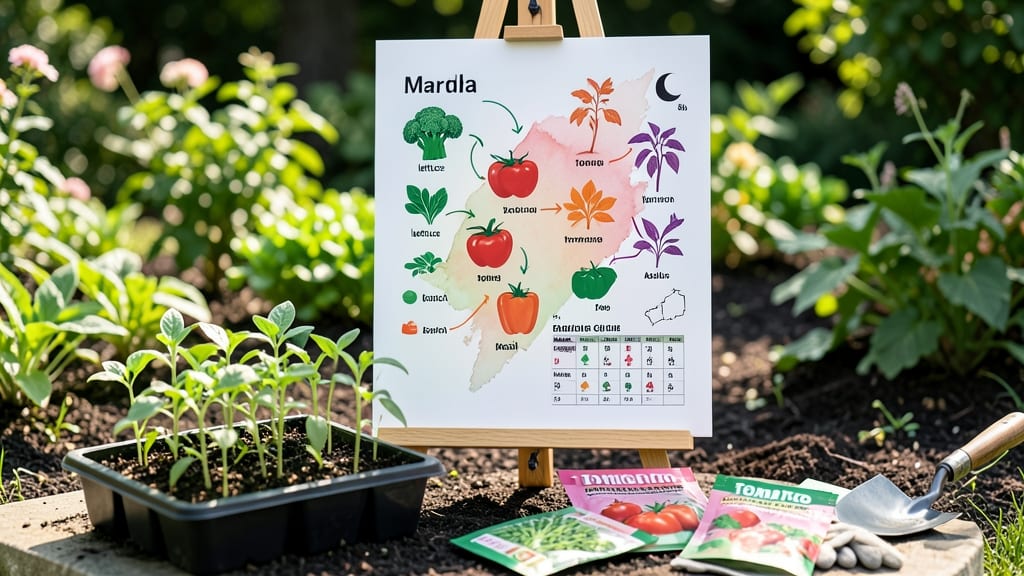
Planting your garden in Maryland at the wrong time can mean the difference between a thriving harvest and wasted effort—especially when frost dates shift yearly and microclimates vary from Baltimore to Western Maryland.
If you’ve ever wondered when to plant your garden in Maryland’s 7a-7b zones, timing is everything. The last frost typically arrives around April 15, but cooler springs or early cold snaps can throw off even the most careful gardeners.
That’s why knowing the exact windows for cool-season greens, heat-loving tomatoes, and perennials is your secret weapon.
In this guide, I’ll break down the optimal planting months for your favorite crops, including region-specific adjustments and pro tips to extend your growing season. Whether you’re a first-time gardener or a seasoned green thumb, these timelines will help you avoid common mistakes and maximize your yield.
Ready to turn your garden into a productive oasis? Let’s get started with the step-by-step schedule that works for Maryland’s climate—and your busy life.
Maryland’s frost zones & ideal planting windows by month
Maryland spans USDA Hardiness Zones 5b through 7a, meaning frost dates vary dramatically from Western Maryland’s Zone 5b (colder winters) to Eastern Shore’s Zone 7a (warmer microclimates). These differences create 30-45 days of planting window shifts between regions—critical for timing-sensitive crops like tomatoes or peppers.
For most gardeners, the last spring frost arrives between April 15 (Zone 5b) and May 1 (Zone 7a), while the first fall frost hits as early as October 15 (Zone 5b) or as late as November 15 (Zone 7a).
Understanding these zones helps you align planting with Maryland’s 165-200 frost-free days. Cool-season crops like spinach or kale thrive when soil temps hit 40°F, while warm-season tomatoes or basil need soil at 60°F+.
My Baltimore County garden (Zone 6b) typically plants cool crops by March 15 and warm crops after May 15, but I always check UMD Extension’s frost maps for yearly adjustments.
🌱 Key Takeaway: Maryland’s frost dates create a 6-week window for warm-season starts (March-April) and a 4-week window for fall planting (August-September). Missing these timelines risks frost damage or stunted growth.
Best crops to Plant in Maryland by season (with exact dates)
Maryland’s diverse microclimates mean planting dates can vary by 50 miles—whether you're in Baltimore’s urban heat islands or Western Maryland’s cooler valleys. To simplify, I’ve broken down the best crops to plant by season, with region-specific adjustments and exact timing to avoid frost damage or stunted growth.
Let’s dive into the optimal planting windows for your garden.
For Baltimore and Eastern Maryland (USDA Zone 7a-7b), aim for these last frost dates: April 15 (spring) and November 15 (fall). In Western Maryland (Zone 6a-6b), push back dates by 1-2 weeks to account for later frosts.
Always check soil temperatures—most vegetables need 60°F+ to thrive, while cool-season crops tolerate 40-50°F.
-
🌱 Early Spring (March-April)
Plant: Spinach, Lettuce, Peas, Radishes, Kale, Onions
When: Mid-March to April 15 (Baltimore) or April 1-15 (Western MD)
Why: Cool-season crops thrive before 60°F soil temps arrive. -
☀️ Late Spring (May-June)
Plant: Tomatoes, Peppers, Cucumbers, Basil, Beans, Corn
When: After May 15 (Baltimore) or May 22 (Western MD)—wait for soil >60°F
Tip: Use row covers for early starts in Zone 6b. -
🌾 Summer (July-August)
Plant: Succession Plantings (Beans, Lettuce, Carrots), Pumpkins, Squash
When: July 1-15 (Baltimore) or July 15-30 (Western MD) for fall harvests
Key: Focus on shade-tolerant crops (e.g., Swiss chard) in Zone 7b’s heat. -
🍂 Fall (September-October)
Plant: Garlic, Spinach, Broccoli, Brussels Sprouts, Radishes
When: September 1-15 (Baltimore) or September 15-30 (Western MD)—6-8 weeks before first frost
Pro Tip: Garlic planted in October yields sweeter bulbs next year.
For perennials and flowers, timing matters too! Plant daylilies and coneflowers in spring (April-May) or fall (September-October) for established roots before winter. Bulbs like tulips go in October-November, while spring-blooming bulbs (daffodils) can wait until December in milder Zone 7b areas.
Urban gardeners in Baltimore City can start warm-season crops like tomatoes 2 weeks earlier thanks to the urban heat island effect. Monitor microclimates near walls or pavement—they can add 5-10°F to soil temps.
In Western Maryland’s cooler zones, opt for frost-tolerant varieties like ‘Early Girl’ tomatoes or ‘Winter Density’ kale.
Pro tip: Use succession planting to stretch harvests. For example, sow lettuce every 2 weeks from March to September—this ensures a continuous supply even as summer heat arrives. Pair fast growers (radishes, lettuce) with slow growers (tomatoes, peppers) to maximize space.