
Companion Plants
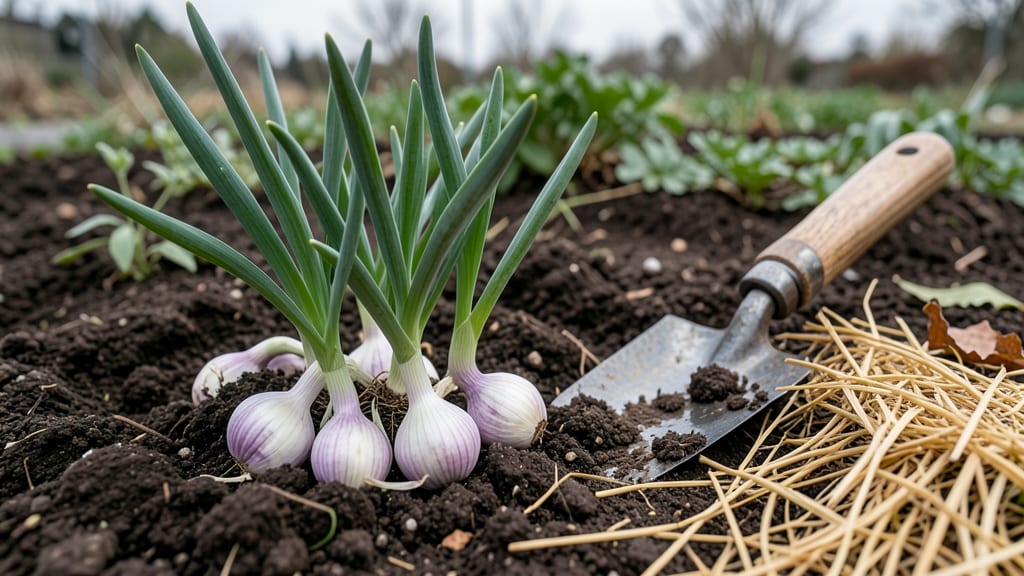
Planting garlic at the wrong time in Zone 7 can mean the difference between a bumper crop and wasted effort—especially when balancing hardneck and softneck varieties with your region’s chill-hour needs.
The key lies in understanding that October to November is your best window, but timing matters just as much as the variety you choose.
In Zone 7 (General), where winters are mild but still provide 1,000–1,500 chill hours, hardneck garlic thrives with proper timing, while softneck varieties offer more flexibility. Let’s break down the exact steps to ensure your 🧄 plants get off to the right start and deliver flavorful bulbs next summer.
Many gardeners overlook how critical the planting window is for garlic, assuming "fall" is a one-size-fits-all answer. But in Zone 7, where frost arrives later than colder regions, you’ve got a 4- to 6-week window before the ground freezes—typically between mid-October and early November.
Plant too early, and your garlic may bolt before winter; too late, and it won’t get enough cold exposure to form bulbs. The goal? Give your garlic enough chill to trigger bulb development while avoiding winter stress.
What makes this even trickier is that hardneck varieties, like Rocambole or Purple Stripe, need at least 60 days of temperatures below 40°F to form scapes and bulbs, while softnecks like Silverskin are more forgiving.
If your Zone 7 winter is on the milder side (like in 7b), you might need to adjust by planting slightly later or choosing varieties bred for lower chill requirements. The right timing isn’t just about the calendar—it’s about matching your garlic’s needs to your microclimate.
Don’t let the uncertainty hold you back. In this guide, I’ll walk you through the exact steps to plant garlic in Zone 7, from soil prep to spacing and post-planting care, so you can confidently grow larger, healthier bulbs next June or July.
Whether you’re a beginner or a seasoned gardener, these tips will help you avoid common pitfalls and maximize your harvest. Let’s get started!
Zone 7 garlic planting timeline: chill-hours explained for hardneck vs softneck varieties
In Zone 7, where chill hours range from 1,000–1,500 hours below 40°F, timing your garlic planting is everything. Hardneck varieties like ‘German White’ need more chill hours (closer to 1,500), while softnecks like ‘Silverskin’ thrive with fewer (1,000–1,200 hours).
Plant too early, and your bulbs won’t mature; too late, and they’ll bolt prematurely.
Fall planting is the gold standard for Zone 7 gardeners, but your exact window depends on your local microclimate. Coastal areas with milder winters may need to plant later, while inland regions can start earlier. Spring planting is possible but riskier—it’s a backup plan for forgotten fall prep.
Here’s the key: Plant garlic 4–6 weeks before the ground freezes. In most of Zone 7, that means mid-October to early November.
For hardnecks, aim for the earlier end of this window; softnecks can handle a slightly later start. Miss this window, and you’ll either have stunted bulbs or wasted cloves.
🌱
| Variety Type | Chill Hours Needed | Ideal Planting Window (Zone 7) | Spring Planting Risk | Best For |
|---|---|---|---|---|
| Hardneck (e.g., ‘German White’, ‘Music’) | 1,200–1,500 hours | Mid-October to late October | High (smaller bulbs, bolting risk) | Fresh use, braiding |
| Softneck (e.g., ‘Silverskin’, ‘Artichoke’) | 1,000–1,200 hours | Late October to early November | Moderate (slower growth) | Storage, cooking |
| Elephant Garlic (Hardneck hybrid) | 1,000–1,300 hours | Late October to mid-November | Low (larger bulbs possible) | Roasting, fresh use |
Hardneck varieties like ‘German White’ and ‘Music’ are the chill-hour champions of garlic world, demanding 1,200–1,500 hours below 40°F. In Zone 7, this means planting by mid-October to ensure they get enough cold. Skip the chill, and you’ll end up with small, pungent bulbs or worse—bolted scapes before harvest.
Softnecks like ‘Silverskin’ are far more forgiving, happy with 1,000–1,200 chill hours. This gives you a later planting window (up to early November) and makes them ideal for milder Zone 7 microclimates, like coastal areas. They’re also the storage kings, lasting months in a cool, dark place.
If you’re in a warmer pocket of Zone 7 (e.g., near the coast or in urban heat islands), your chill hours may drop below 1,000. In this case, opt for softneck varieties or consider spring planting—though yields will suffer.
For hardnecks, you might need to pre-chill cloves in the fridge for 6–8 weeks before planting in fall.
Spring planting is a last-resort option for Zone 7 gardeners. Plant in February or early March, but expect smaller bulbs and a higher risk of bolting (when garlic flowers prematurely). This method works best for softnecks or in high-altitude Zone 7 areas with cooler springs.
Pro tip: Use a soil thermometer to track when temps drop to 50–60°F at night—this is your cue to plant. In Zone 7, this usually aligns with late October
Step-by-step fall planting guide for Zone 7 garlic with pro tips
Fall is the ideal window for planting garlic in Zone 7, when daytime temperatures drop below 70°F but before the ground freezes. This timing ensures your cloves get 1,000–1,500 chill hours—critical for bulb formation—while avoiding summer heat stress.
For hardneck varieties (like 'Music' or 'German White'), aim for October 1–15, while softneck types (like 'Silverskin') can stretch into late November.
Start by selecting plump, firm cloves from organic garlic bulbs—avoid soft or sprouted ones. Break bulbs into individual cloves, ensuring each has a root base intact. For best spacing, arrange cloves 4–6 inches apart in rows 12 inches apart to prevent crowding and disease.
This layout maximizes airflow and sunlight penetration, reducing fungal risks like white rot.
Soil prep is non-negotiable: garlic thrives in well-draining, loose soil with a pH of 6.0–7.0. Work in 2–3 inches of compost or aged manure to boost organic matter, and mix in 1 cup of 5-10-10 fertilizer per 10 sq ft for a slow-release nutrient boost.
If your soil is heavy clay, amend with sand or perlite to improve drainage—waterlogged roots spell disaster for your crop.
Your Zone 7 Garlic Planting Checklist
- 1 Late September: Test soil pH and amend with compost. Choose hardneck or softneck cloves based on your needs.
- 2 October 1–15: Plant hardneck varieties 2 inches deep, 4–6 inches apart, in full sun. Mulch with 4–6 inches of straw after planting.
- 3 October 30–November 15: Plant softneck varieties similarly, but extend depth to 3 inches for deeper bulb formation.
- 4 November: Add 2–3 inches of mulch (straw or leaves) to insulate cloves from temperature swings. Avoid synthetic mulches—they trap too much moisture.
- 5 Winter: Let snow cover naturally—it acts as extra insulation. Avoid disturbing the soil until spring green-up (March).
- 6 Spring (March–April): Remove mulch when shoots emerge. Water deeply once weekly to encourage bulb growth. Fertilize with 5-10-10 when shoots are 6 inches tall.
After planting, mulching is your secret weapon. Apply 4–6 inches of straw or leaves to insulate cloves from freezing temperatures and suppress weeds. This layer also retains soil moisture during Zone 7’s dry winters.
Avoid synthetic mulches like plastic—they trap excess moisture, inviting fungal diseases like botrytis. In mild winters (common in Zone 7b), add an extra 2 inches of mulch to mimic colder conditions.
Watering becomes low-maintenance once established, but timing matters. After planting, give cloves a deep soak to settle soil around roots. Then, water only when soil is dry 2 inches down—overwatering in winter can rot cloves.
Resume weekly deep watering in spring (March–April) when shoots appear, focusing on the root zone to prevent foliar diseases. A drip irrigation system works best to deliver water directly to roots without wetting leaves.
By June–July, your garlic will signal harvest readiness when lower leaves brown and stems flatten. Use a fork to loosen soil before gently pulling bulbs—never dig blindly, as this damages storage quality.
Cure bulbs in a shady, dry, well-ventilated area for 2–3 weeks before braiding or storing. Proper curing prevents mold and extends shelf life to 6–12 months.