
Plants
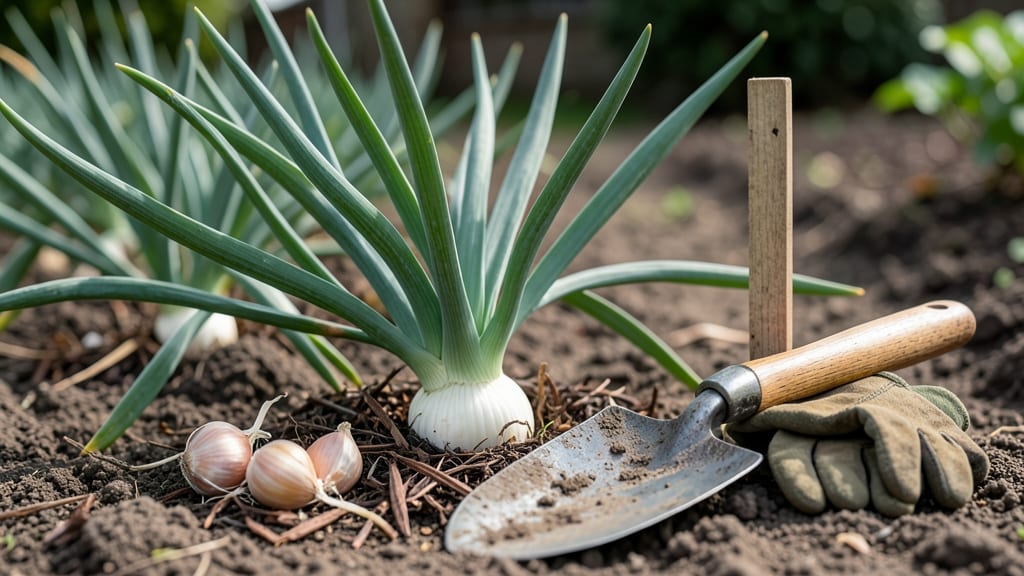
If you're planting garlic in Zone 5, timing is the secret weapon for growing plump, flavorful bulbs—because getting it wrong means weak harvests or wasted effort.
The ideal window opens just 4-6 weeks before the ground freezes, typically in October or early November, when soil temps drop but haven’t locked up yet.
Why does this matter? Garlic needs cold stratification to develop properly, and planting too early lets it bolt (flower prematurely), while planting too late risks frost damage before roots establish.
In Zone 5, where winters are crisp and summers are short, nailing this window ensures your 🧄 thrives through dormancy and emerges strong next spring.
I’ll walk you through the exact steps to prep your soil, choose the right varieties, and adjust for your local frost dates—so you can avoid common mistakes and end up with harvests that’ll make your neighbors ask for cloves. Let’s get those bulbs growing right.
From soil prep to overwintering tips, you’ll learn how to turn your Zone 5 garden into garlic-growing gold. Ready to plant with confidence? Let’s dive in.
Zone 5 garlic planting timeline: exact weeks before frost for maximum bulb size
Garlic thrives in Zone 5 when planted at the precise moment—too early, and you risk rot; too late, and bulbs stay small. The magic happens when cloves experience 4-6 weeks of cold stratification before the ground freezes.
This chilling period triggers root development, setting the stage for large, flavorful bulbs the following summer.
In Zone 5, where average first frost arrives around mid-October and the ground typically freezes by mid-November, your planting window is tight. Aim to get cloves in the soil 4-6 weeks before your last frost date—usually late September to early October.
This timing ensures garlic establishes roots before winter dormancy begins.
Here’s the science: Cold temperatures (40°F or below) signal garlic to shift from vegetative growth to bulb formation. Without this cold stratification, cloves may sprout weakly or produce small, poor-quality bulbs.
In Zone 5, where winters are harsh but not extreme, this chilling window is critical for success.
Miss the window by even a week, and you risk bolting (premature flowering) or weak bulb development. Plant too early (e.g., August), and cloves may rot in warm, moist soil. The goal? Balanced growth—roots established but not overgrown before winter.
| Stage | Action | Zone 5 Timeline | Soil Temp |
|---|---|---|---|
| Soil Prep | Loosen soil, add compost | Late August | 60-70°F |
| Planting | Cloves 2" deep, 4" apart | Late Sept - Early Oct | 50-60°F |
| Cold Stratification | Roots establish in cold | Oct - Nov | 32-40°F |
| Winter Dormancy | Protect with mulch | Dec - Feb | Below freezing |
| Spring Growth | Shoots emerge, fertilize | March - April | 40-50°F |
| Harvest | Lower leaves brown | July - August | 70-80°F |
Your last frost date is the anchor for timing. Use the National Weather Service or local gardening groups to pinpoint yours—even a 5-day shift can mean the difference between small bulbs and monster cloves. For example, if your frost arrives October 20th, plant by September 20th.
Hardneck varieties (like Music or German White) are best suited for Zone 5’s climate, as they thrive in colder winters. Softnecks (like Silverskin) can also work but may produce smaller bulbs if not given enough cold.
The key is ensuring cloves experience consistent chilling—not just a brief cold snap.
Pro tip: If your soil stays too warm (above 60°F) after planting, cover beds with straw mulch to cool the soil and mimic early winter conditions. This trick helps hardneck garlic bolt less and develop larger bulbs by next summer.
Spring-planted garlic is an option in Zone 5, but it’s riskier. Cloves planted in March or April may not mature fully before the next winter, resulting in small, weak bulbs. Reserve spring planting for green garlic (harvesting young shoots) rather than full bulbs.
Monitor your garlic’s progress by checking for 4-6 inches of green growth by spring. If shoots are too short (under 3 inches), your cloves may not have gotten enough cold. If they’re too tall (over 8 inches), you likely planted too early. Adjust next year’s timing accordingly.
Remember: The golden window for Zone 5 garlic is short but sweet. With the right timing, you’ll harvest plump, flavorful bulbs that make all the effort worthwhile. Mark your calendar now—your future garlic feasts depend on it! 🧄
How to adjust planting dates for fall vs. spring garlic in Zone 5
Zone 5 gardeners face a critical decision: plant garlic in fall for traditional overwintering or try spring planting for a shorter season. Most experts recommend fall planting—typically between October 15 and November 15—because garlic needs 60-80 days of cold temperatures (below 40°F) to form strong bulbs.
But spring planting can work if you adjust for your microclimate and variety.
Your first frost date is the real deadline. In Zone 5, this usually lands between mid-October and early November, but urban areas often freeze 1-2 weeks later than rural spots. Check your local USDA frost map or use a weather station to pinpoint your exact window.
Planting too early (like in September) risks premature sprouting, while waiting until December may leave bulbs underdeveloped.
Hardneck varieties (like 'Music' or 'German White') thrive with fall planting—they need cold to form scape stalks and large bulbs. Softneck varieties (like 'Artichoke') are more flexible but still benefit from fall planting. Spring-planted garlic often yields smaller bulbs because it misses the cold stratification period, but some gardeners swear it works if planted by March 15.
Fall Planting (Oct-Nov) vs. Spring Planting (Mar-Apr)
Fall Planting
- ✅ Pros:
- Larger bulbs (60-80 days of cold)
- Hardneck varieties perform best
- Less competition from weeds
- Overwintering reduces pests
- ❌ Cons:
- Risk of frost if planted too late
- Requires planning ahead of season
- Limited variety if seed stock runs out
Spring Planting
- ✅ Pros:
- Flexible timing for late starters
- Good for softnecks (e.g., 'Silverskin')
- No frost risk if planted early
- Can extend season for green garlic
- ❌ Cons:
- Smaller bulbs (misses cold stratification)
- More weeds compete for nutrients
- Higher pest risk (aphids, thrips)
- Requires frequent watering in summer
*Spring-planted garlic is best for green harvests or small bulbs—not ideal for storage.
If you choose spring planting, aim for early March in Zone 5 to give bulbs enough time to mature before winter. Use larger cloves (6+ grams) and plant 2 inches deep in well-draining soil.
Mulch heavily with straw or leaves to protect from late frosts. For fall planting, break apart bulbs into individual cloves and plant the pointy end up, 4-6 weeks before the ground freezes.
Pro tip: Test your soil’s pH (6.0-7.0) and amend with compost before planting. Garlic hates soggy soil—ensure good drainage to prevent rot. In my Zone 5 garden, I’ve had success with 'Music' hardneck planted in early November, yielding bulbs 3x larger than spring-planted varieties.
The key? Cold + patience.
Remember, garlic is a biennial, meaning it needs two years to fully mature—but you’ll harvest bulbs in the first summer after planting. Whether you go fall or spring, mark your calendar now and don’t wait until the last minute—garlic won’t forgive rushed timing! 🧄