
Plants
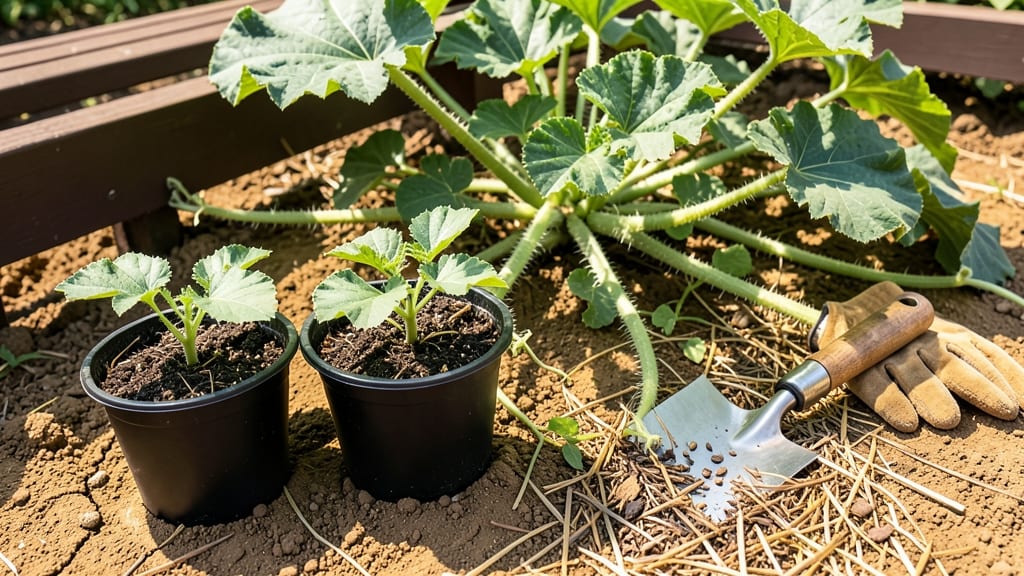
When is the best time to plant watermelon in Texas? It isn’t just about waiting for spring—it’s about catching that sweet spot between frost risk and scorching heat, where your 🌱 thrives instead of wilts. The wrong timing can mean the difference between a bountiful harvest and watching your seedlings bolt into oblivion before they even sprout.
I’ve learned the hard way that Texas’ heat zones demand precision: North Texas gardeners need to wait until late April or May, while South Texas can start as early as March.
But here’s the real secret—soil temperature matters more than the calendar. Watermelon seeds won’t germinate until the dirt hits 70°F, and without that warm embrace, you’re just wasting seed packets.
What if I told you there’s a 3-step strategy to nail your planting window, no matter where you are in the Lone Star State?
From testing soil warmth to choosing the right varieties for your microclimate, I’ll break down exactly when—and how—to plant for the juiciest, ripest melons your backyard has ever seen.
Let’s dive into the heat zone map that’ll help you avoid the two biggest mistakes Texas gardeners make: planting too early (and losing everything to frost) or too late (and watching your vines struggle under the summer sun). Your perfect harvest starts here.
Texas heat zones explained: when to plant watermelon by region
Texas spans USDA zones 6-10, creating dramatic differences in frost risk, soil warmth, and summer intensity. Watermelons thrive when soil temps hit 70°F+, but late frosts in North Texas (zones 7-8) can devastate early plantings, while South Texas' zone 10 faces relentless summer heat that demands shade strategies.
Understanding your region's frost-free dates and heat tolerance is key to avoiding common pitfalls like poor germination or bolted plants.
In North Texas (zones 7-8), gardeners must wait until mid-April to early May after the last frost date (typically March 15-April 1).
Central Texas (zones 8-9) enjoys a longer window from late March to early April, while South Texas (zone 10) can start as early as February—but requires afternoon shade to prevent scorching. Each zone also has soil temperature thresholds that dictate planting success.
Here’s how to match your location to the perfect planting window, including soil temp checks and heat zone adjustments:
| Region | USDA Zone | Last Frost Date | Ideal Planting Window | Soil Temp Threshold | Heat Adjustments |
|---|---|---|---|---|---|
| North Texas | 7-8 | March 15-April 1 | Mid-April to early May | 70°F+ (use soil thermometer) | Use row covers for early starts; choose heat-tolerant varieties like 'Crimson Sweet'. |
| Central Texas | 8-9 | February 15-March 1 | Late March to early April | 75°F+ (warmer soil speeds germination) | Mulch heavily to retain moisture; avoid planting after June 15 to prevent heat stress. |
| South Texas | 10 | No frost risk | February to early March (or September for fall crops) | 80°F+ (direct-sow only; no indoor starts needed) | Provide afternoon shade (50% shade cloth); prioritize drought-resistant varieties like 'Sugar Baby'. |
For North Texas gardeners, the 30-day window between last frost and soil warming is critical. Use a soil thermometer to confirm temps—watermelon seeds won’t germinate below 70°F. If your soil is still cool, opt for transplants from a nursery (hardened-off seedlings tolerate cooler temps better).
In Central Texas, where April heat arrives suddenly, focus on early morning planting to reduce transplant shock.
In South Texas' zone 10, the challenge shifts to heat avoidance. Plant in February to harvest before June’s peak temperatures (95°F+). Use black plastic mulch to warm soil faster and drip irrigation to keep roots cool.
For a fall crop, sow seeds in September to avoid the hottest months. Pro tip: Shade cloth (30-50%) can extend your season by 2-3 weeks in both North and South Texas.
Regional variety selection also matters. North Texas thrives with 'Charleston Gray' (disease-resistant) or 'Jubilee' (early-maturing). Central Texas gardeners love 'Crimson Sweet' for its heat tolerance, while South Texas favors 'Sugar Baby' (smaller, faster, and drought-hardy).
Always check seed packets for days to maturity—longer seasons (85-90 days) suit North Texas, while 60-70 day varieties work best in South Texas’ intense summers.
One common mistake is planting too late in North Texas, leading to small, seedy melons before frost. To avoid this, set a reminder for April 15—after that, the 90-day varieties won’t mature before fall. In Central Texas, June plantings often fail due to bolting (premature flowering).
Instead, stick to March-April for reliable yields. For South Texas, July-August heat can cause blossom drop, so focus on spring or fall plantings only.
To test your soil temperature, bury a thermometer 2 inches deep in the ground on a sunny day. Wait 30 minutes for an accurate reading—
Step-by-step planting schedule for maximum watermelon yields in Texas
Timing your watermelon planting in Texas isn't just about avoiding frost—it's about capturing the sweet spot between soil warmth and summer heat. Watermelons thrive when soil temperatures hit 70-90°F, but Texas' unpredictable spring transitions can throw off even the most experienced gardeners.
By following this region-specific schedule, you'll dodge common pitfalls like bolting (premature flowering) or poor pollination from heat stress.
First, know that Texas spans USDA zones 7b-10a, meaning North Texas (like Dallas) has later frost-free dates than South Texas (Houston/Austin). For maximum yields, we'll focus on direct sowing (the preferred method for watermelons) with adjustments based on your location.
Pro tip: Use a soil thermometer—wait until the ground reaches at least 70°F before planting.
🌱 Texas Watermelon Planting Timeline
-
1
Prepare Soil (4-6 Weeks Before Planting)
Test soil pH (aim for 6.0-6.8) and amend with compost or aged manure. Watermelons need fertile, well-draining soil—avoid heavy clay.
-
2
North Texas (Zones 7b-8a): Plant Mid-April to Early May
Wait until average night temps stay above 55°F. Use black plastic mulch to warm soil faster and suppress weeds.
-
3
Central/South Texas (Zones 8b-10a): Plant Late March to Mid-April
Soil should be 70°F+. Opt for heat-tolerant varieties like 'Sugar Baby' or 'Crimson Sweet' to handle early summer heat.
-
4
Direct Sow Seeds (1-1.5" Deep, 3-4" Apart)
Plant 3-4 seeds per hill, thin to 1-2 strongest plants. Space hills 5-6 feet apart for vining varieties.
-
5
Transplant Seedlings (If Started Indoors)
Hardening off seedlings for 7-10 days before transplanting. Bury stems halfway to encourage root growth.
-
6
Manage Growth (June-August)
Apply mulch to retain moisture. Hand-pollinate flowers if humidity is low (use a paintbrush to transfer pollen).
-
7
Harvest (75-90 Days After Planting)
Check for deep color and a dull sound when thumped. Wait until vines brown and die back for sweeter fruit.
One of the biggest mistakes Texas gardeners make is planting too early and risking frost damage or slow germination. If you're in North Texas, consider using row covers for early plantings to