
Plants
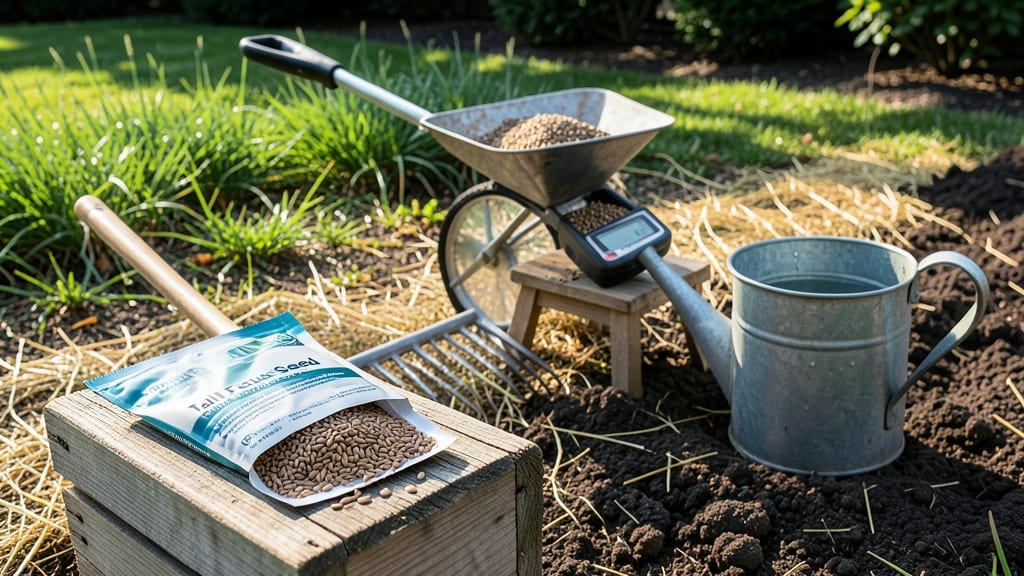
Planting grass seed in North Carolina at the wrong time can leave your lawn thin, patchy, and overrun with weeds—so timing is everything. The best window to plant depends on your region’s microclimate, whether you’re in the humid Coastal Plain, the Piedmont’s rolling hills, or the cooler mountain zones.
For most of North Carolina, late summer to early fall (August–September) is ideal because soil stays warm enough for germination while cooler temps slow weed growth. But if you’re in the mountains, early spring (March–April) gives you a head start before summer heat arrives.
The key? Plant when soil temps hit 60–75°F—too hot or too cold, and your seed struggles.
I’ll break down the exact months for each zone, plus how to prep your soil, pick the right grass type, and keep weeds at bay.
Whether you’re seeding a bare spot or overhauling your whole lawn, these tips will help you grow a thick, lush carpet of grass that outlasts crabgrass and clover.
Skip the guesswork—let’s get your lawn off to the best start possible with the right timing and care. Ready to dig in? Let’s go.
North Carolina’s best grass-seeding windows by region: coastal vs. Piedmont vs. mountain timelines
North Carolina’s three distinct regions—coastal, Piedmont, and mountain—each demand unique grass-seeding timelines. Planting at the wrong time can lead to poor germination, weed dominance, or even seedling death.
The key? Matching your soil temperature, rainfall patterns, and grass variety to your microclimate. Let’s break down the ideal windows for each zone, so you can sow with confidence.
In the coastal plain, where humidity lingers and summers stay warm, the best time to plant grass seed is late summer to early fall—typically September through October. This timing avoids extreme heat while capitalizing on consistent rainfall and cooler nights, which reduce stress on young seedlings.
Warm-season grasses like Bermuda and Zoysia thrive here, but even tall fescue (a cool-season grass) can succeed if planted early enough.
For the Piedmont region, which experiences hot summers and mild winters, the optimal window shifts slightly earlier: mid-August through September. The soil temperature here drops faster than the coast, so seeding too late risks early frost damaging tender sprouts.
This zone is perfect for tall fescue, which dominates local lawns due to its drought tolerance and shade adaptability. Adjust for dry spells by watering deeply 2-3 times per week until germination.
The mountain region—think Asheville and the Blue Ridge—has a shorter growing season, so the best time to plant grass seed is early spring, specifically May through early June. By this time, the soil temperature has stabilized above 55°F, and the risk of late frosts has passed.
Cool-season grasses like fine fescue and Kentucky bluegrass excel here, while warm-season options like Bermuda struggle without summer heat. Mountain soils often drain quickly, so mulch lightly with straw to retain moisture.
| Region | Best Planting Window | Soil Temp Range | Grass Varieties | Key Adjustments |
|---|---|---|---|---|
| Coastal Plain | September–October | 70–80°F | Bermuda, Zoysia, Tall Fescue | Avoid July heat; mulch to prevent crusting |
| Piedmont | Mid-August–September | 65–75°F | Tall Fescue, Fine Fescue | Monitor drought; water deeply 2–3x/week |
| Mountain | May–Early June | 55–65°F | Fine Fescue, Kentucky Bluegrass | Test for frost risk; use straw mulch |
Adjust your planting timeline if the weather deviates from the norm. For example, if your Piedmont area experiences an unusually hot August, delay seeding until September to avoid seedling stress.
Conversely, if coastal rains arrive late, consider late August planting with extra irrigation. Always check the 7-day forecast for stable temperatures before sowing—consistent conditions are critical for germination success.
Choosing the right grass variety also impacts timing. Warm-season grasses (like Bermuda) need soil temps above 65°F to germinate, while cool-season grasses (like fescue) perform best when soil temps are 60–75°F.
In the mountains, for instance, Kentucky bluegrass may germinate in April, but it won’t establish fully until May due to cooler nights. Match your seed to your zone’s climate patterns to avoid disappointment.
One often-overlooked factor is soil preparation. Whether you’re seeding in the coastal, Piedmont, or mountains, start by aerating compacted soil and leveling low spots. Add compost to improve drainage in sandy coastal soils or hold moisture in mountain clay.
A pH test (ideal range: 6.0–7.0) ensures nutrients are available for new growth. Skipping prep steps can lead to poor root development and weed invasion.
After seeding, watering consistency is non-negotiable. In dry Piedmont summers, water lightly twice daily for the first week to keep soil moist but not soggy. In humid coastal areas, reduce frequency to avoid fungal diseases like brown patch.
The mountains may require morning watering to prevent evening frost damage. Use a rain gauge or tuna can to measure 1 inch of water per week—adjust based on rainfall.
Finally, don’t forget post-planting care. Once your grass reaches 3–4 inches tall, mow it to 3–4 inches to encourage deep roots. In the Piedmont, apply a light fertilizer in early fall to strengthen roots before winter. Coastal areas benefit from fall aeration to improve air
5 Critical factors that ruin grass seed germination in NC (and how to fix them)
Even with the perfect timing for planting grass seed in North Carolina, your lawn can still fail if you overlook these five common pitfalls. From compacted soil to poor drainage, each mistake creates barriers that prevent seeds from sprouting.
The good news? Most issues have simple fixes that can save your seed investment and give your lawn the strong start it deserves.
Let’s tackle the biggest mistakes first: planting too early or too late in the season. While late summer to early fall (August–September) is ideal for most of NC, rushing the process when soil temps dip below 60°F or delaying until after first frost (November 15) can stall germination.
In the mountains, where cooler temps linger, early spring (May–June) works better for cool-season grasses like tall fescue.
Timing is everything! Plant cool-season grasses (tall fescue, ryegrass) in late summer/early fall (soil temps: 60–75°F) or early spring (after last frost, March 15). For warm-season grasses (Bermuda, Zoysia), aim for late spring to early summer (May–June) when soil stays above 70°F.
Pro Tip: Check soil temps with a soil thermometer—if it’s below 60°F, wait. If above 85°F, delay until temps drop.
Next up: compacted soil, which suffocates seeds before they sprout. Heavy foot traffic, machinery, or clay-heavy soils in NC’s Piedmont region create a dense barrier that blocks water and air. The fix? Aerate your lawn 2–4 weeks before seeding using a core aerator.
This pulls out small soil plugs, creating pockets for seeds to nestle into. For severe compaction, rent a spike aerator or hire a pro to till the top 2–3 inches of soil.
Poor drainage is another silent killer, especially in coastal NC where heavy rainfall can drown seeds. If water pools after 1–2 hours of rain, your lawn has drainage issues.
Test by digging a 6-inch hole—if it fills with water in less than 6 hours, amend with organic matter (compost or peat moss) or install a French drain if needed. Raised beds also help in low-lying areas.
Don’t skip pre-emergent herbicide timing either. Applying it too close to seeding (within 30 days) can kill your new grass. Instead, use a post-emergent like corn gluten meal (a natural pre-emergent) 4–6 weeks before planting to block weeds without harming seeds.
For existing lawns, spot-treat weeds after your grass reaches 3 inches tall.
Lastly, skipping mulch or overwatering can backfire. A light layer of straw mulch (¼ inch) retains moisture, regulates soil temp, and shields seeds from birds. Water lightly twice daily (morning and evening) for the first 2 weeks, then taper to 1 inch per week.
Overwatering causes seed rot, while underwatering leads to desiccation. Use a rain gauge to track moisture—your goal is consistently damp, not soggy soil.
To wrap up, here’s your NC-specific checklist for post-planting care: ☑️ Aerate compacted soil 2–4 weeks before seeding ☑️ Test drainage and amend if water pools ☑️ Apply mulch (straw) after seeding ☑️ Water twice daily for 2 weeks, then adjust ☑️ Avoid foot traffic until grass reaches 3 inches ☑️ Fertilize lightly 6–8 weeks after germination