
Plants
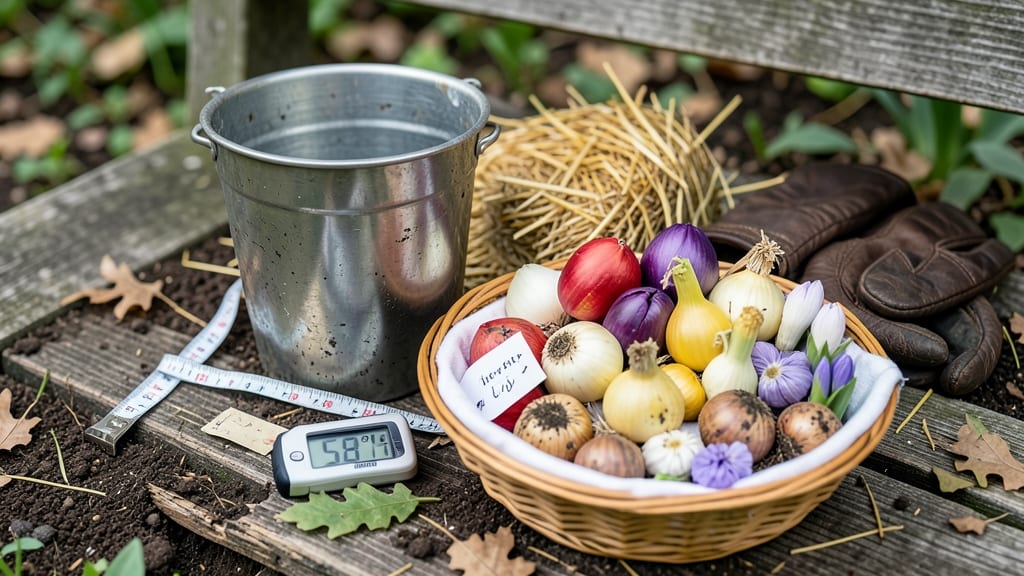
Timing your fall bulb planting just right is the secret to waking up next spring to a garden bursting with color—but get it wrong, and you might end up with nothing but muddy holes.
For USDA Zone 6a, where first frost typically arrives around mid-October, the ideal window is 4-6 weeks before that chill sets in, giving roots time to anchor before winter.
I’ve planted 🌱 bulbs for years, and the difference between a thriving spring display and a flop comes down to two things: soil temperature and your local frost date. Too early, and your bulbs might rot; too late, and they’ll barely establish before the ground freezes.
Let’s break down exactly when to plant in your zone—and how to adjust for those tricky early freezes.
You don’t need a green thumb to nail this—just a little strategy. We’ll cover the best months for your region, how to prep your soil, and which bulbs (like tulips or daffodils) thrive with fall planting.
Plus, I’ll debunk the myth that “earlier is always better” and share pro tips for borderline zones.
By the end, you’ll know not just when to plant, but how to set your bulbs up for success—so you can enjoy those first spring blooms without a second thought. Let’s get started.
Fall bulb planting months by USDA Zone: exact timing for zero-frost success
Timing your fall bulb planting correctly ensures bulbs establish roots before winter frost. The key is planting 4-6 weeks before ground freezes—this gives roots time to grow while tops remain dormant.
In colder zones, aim for September-October, while warmer zones can extend until November-December. Soil temperatures should be below 60°F but not yet frozen.
Each USDA zone has a unique frost window, so adjust your schedule accordingly. For example, Zone 3 gardeners should plant by mid-September, while Zone 9 can wait until late November. Use your average first frost date as your starting point—count backward 6 weeks for the ideal window.
Here’s a quick reference for soil temperature thresholds and planting windows by zone to avoid frost damage:
For Zone 3-4, where winters are harsh, prioritize hardy bulbs like crocuses and snowdrops, which tolerate colder soils. In Zone 5-6, monitor soil temperature closely—plant when it drops below 60°F but before 40°F freezes. Use a soil thermometer for accuracy, especially in microclimates like south-facing slopes.
In warmer zones (7-10), bulbs like dahlias and gladiolus can handle later planting. However, avoid planting too late—bulbs need 4-6 weeks of root growth before winter. If your zone’s frost date is unpredictable, err on the earlier side and cover bulbs with straw mulch for extra protection.
Pro tip: Check your local frost dates using the USDA Plant Hardiness Zone Map and adjust by 1-2 weeks if your area has early freezes. For example, Zone 6 with a late October frost should plant by mid-September.
Always plant after the first frost but before the ground freezes solid.
Soil preparation is just as critical as timing. Amend your soil with compost or well-rotted manure to improve drainage—waterlogged soil causes bulbs to rot. Plant bulbs 3x deeper than their height (e.g., 6-inch-deep for 2-inch bulbs) and space them 3-6 inches apart depending on variety.
After planting, water deeply to settle soil around roots.
Common mistakes include planting too early (bulbs may sprout and die) or too late (roots won’t establish). Test your soil’s readiness by pressing your finger 2 inches deep—if it’s cool but not frozen, it’s time to plant.
In drought-prone areas, water bulbs every 10-14 days until winter rains take over.
Remember: The earlier you plant in colder zones, the better the root growth before frost. But don’t rush—warm soil in late summer can trick bulbs into sprouting too soon. Aim for 60°F soil or cooler, and you’ll set your garden up for stunning spring blooms.
How to adjust planting time for early/late freezes: pro tips for unpredictable climates
Unpredictable weather can throw off your fall bulb planting schedule, but with the right adjustments, you can still guarantee stunning spring blooms. If your USDA zone experiences early freezes or late warm spells, knowing how to tweak your timing is key.
For example, tulips and daffodils have different cold requirements, and microclimates (like a sunny south-facing slope) can delay frost by weeks.
Start by checking your local frost dates—not just the average ones. Use a 10-year frost history from your local cooperative extension office to find the safest window.
In Zone 5, this might mean planting daffodils in early October instead of late September, while tulips (which need a longer chill period) can wait until mid-October. Even a 1-2 week shift can make the difference between thriving bulbs and frost-damaged ones.
⚠️ callout warning
Planting bulbs too early (e.g., August in warm zones) can trigger premature root growth, leaving them vulnerable to fungal diseases and pests. Planting too late (e.g., December in cold zones) risks frost damage before roots establish. Aim for 4-6 weeks before ground freezes—use a soil thermometer to confirm temps are below 60°F (15°C).
🌱 Pro Tip: In Zone 7-9, plant tropical bulbs (like rain lilies) in late fall (November-December) to avoid summer heat stress.
Soil conditions play a huge role in adjusting your planting timeline. If your soil stays warm longer (e.g., sandy or south-facing beds), opt for earlier planting to avoid heat stress. Conversely, heavy clay soils cool faster, so you can plant later without risk.
Test your soil’s moisture retention—bulbs need well-draining soil to prevent rot, especially in borderline zones like Zone 6b.
Not all bulbs are created equal when it comes to frost tolerance. Daffodils and alliums handle cold better than tulips or hyacinths, so they can often be planted 1-2 weeks later in early frost zones.
For borderline zones (e.g., Zone 6a/6b), consider mulching heavily (4-6 inches of straw or leaves) to insulate bulbs if you plant on the later side. This adds 2-4 weeks of frost protection.
Use this risk-assessment checklist for borderline zones: ☑️ Check 10-year frost dates ☑️ Test soil temperature ☑️ Adjust for microclimates ☑️ Choose frost-hardy bulbs ☑️ Mulch if planting late.
For example, in Zone 7, if your last frost is November 15 but your soil stays warm, plant tulips by October 1 and daffodils by October 15.
Remember, bulbs planted in containers need extra care—they freeze faster than in-ground bulbs. If you’re container-gardening in Zone 5 or colder, plant 2-3 weeks earlier and move pots to a protected spot (like a garage or under eaves) before hard freezes.
With these adjustments, you’ll beat unpredictable weather and enjoy a show-stopping spring display every time. 🌷