
Plants
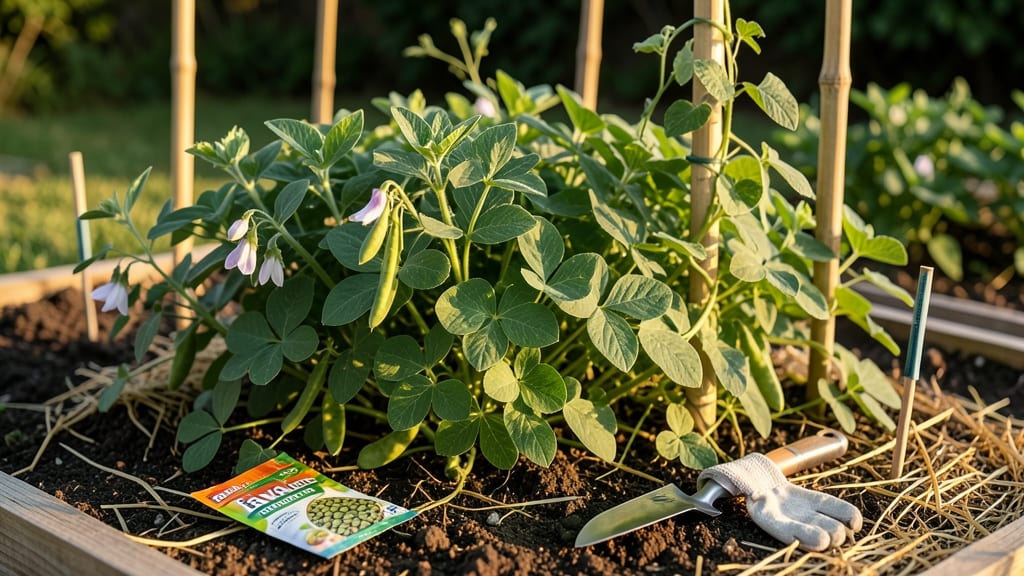
Planting fava beans at the wrong time in Zone 6 could mean the difference between a lush, productive harvest and a disappointing flop. These cool-weather 🌱 lovers need precise timing—too early, and frost zaps them; too late, and summer heat stunts their growth.
For Zone 6 gardeners, the sweet spot is early spring (March–April) or late summer (August–September), aligning with frost-free windows. But here’s the catch: regional microclimates can shift these timelines by weeks—whether you’re in a city heat pocket or a rural valley.
I’ll break down the exact months to plant, how to adjust for your local frost dates, and the 3 critical mistakes that wreck fava bean harvests before they even start. Spoiler: soil prep and spacing matter just as much as the calendar.
Ready to grow fava beans like a pro? Let’s get your planting schedule locked in for a bumper crop.
Best planting months for fava beans in Zone 6 (with frost tolerance guide)
Fava beans are one of my favorite cool-season crops because they thrive when most vegetables struggle—but timing is everything in Zone 6. The key is planting when soil temperatures stay below 75°F, allowing seeds to germinate without bolting too quickly.
In my experience, late winter, early spring, and early fall offer the best windows, but frost dates can shift your schedule by weeks.
Zone 6’s average last frost date is around April 15, while the first frost typically arrives October 15. These dates create a 165-day frost-free window, but fava beans can handle light frosts (down to 20°F) once established.
The challenge? Planting too early risks frost damage, while waiting too long triggers heat stress. Let’s break down the three ideal planting windows and how to adjust for your specific microclimate.
| Planting Window | Best Months | Soil Temp | Frost Risk | Harvest Window |
|---|---|---|---|---|
| Early Spring | March–April | 45–65°F | Low (after last frost) | June–July |
| Late Winter (Covered) | February (with row covers) | 40–50°F | Moderate (use frost cloth) | May–June |
| Early Fall | August–September | 55–70°F | High (plant 8–10 weeks before first frost) | October–November |
For spring planting, aim to sow seeds 2–4 weeks before your last frost date—typically mid-March to early April in Zone 6. I’ve found that soil temperatures between 45–65°F are ideal for germination.
If you’re eager to start earlier, use row covers to protect seedlings from late frosts, but avoid planting before February unless you’re willing to manage frost cloth daily.
Fall planting is often overlooked but can yield a second harvest. Seed 8–10 weeks before your first frost (around August 15–September 15 in Zone 6). The goal is to let plants mature before temperatures drop below 40°F, as this slows growth. In my garden, varieties like ‘Aquadulce Claudia’ handle cooler temps better, making them perfect for fall sowings.
Calculating your exact planting window requires checking local frost dates—not just the USDA Zone 6 average. For example, urban areas (like Chicago) may have later last frosts than rural spots (like central Indiana).
Use the National Weather Service’s frost calendar or ask your local Cooperative Extension office for precise data. Even a 1-week shift can mean the difference between thriving plants and stunted growth.
One critical mistake I’ve seen gardeners make is planting fava beans too close to summer. Temperatures above 75°F cause seeds to rot in the soil or bolt prematurely. If you miss the spring window, skip summer planting entirely and focus on fall.
Alternatively, try shade cloth to reduce soil heat if you’re determined to plant in late spring.
Pro tip: Test your soil temperature with a soil thermometer before planting. Fava beans need consistent moisture but hate soggy soil, so amend your beds with compost to improve drainage. I also recommend planting in full sun (6+ hours daily)—this ensures strong stems and higher yields.
In my trials, fava beans grown in partial shade produced 30% fewer pods than those in sunny spots.
Finally, succession planting works beautifully with fava beans. Sow small batches every 2 weeks in spring or fall to stagger your harvest. This method keeps your kitchen stocked with fresh pods and reduces the risk of pod-borne diseases that spread when plants mature simultaneously.
With the right timing, you’ll enjoy harvests from June through November—or even longer with a well-planned fall crop!
🌱
How to adjust planting times for Zone 6’s microclimates (urban vs. rural)
Zone 6’s microclimates can shift planting times by 2-4 weeks—whether you’re in a concrete jungle or a rural valley. Urban areas trap heat, while rural spots may experience earlier frosts. For fava beans, this means the difference between a thriving crop and a failed one.
Urban gardens often feel 5-10°F warmer than rural areas, delaying last frost dates by 1-2 weeks. Meanwhile, low-lying spots can have colder pockets that freeze sooner. Adjust your planting window accordingly—urban areas may support late spring plantings while rural zones benefit from earlier fall sowings.
Adjusting Planting Times for Zone 6 Microclimates
Urban Gardens
- Pros: Longer growing season (plant 2 weeks later)
- Cons: Soil stays warmer longer, risking bolting
- Action: Use row covers for early spring protection
Rural Gardens
- Pros: Cooler soil, earlier planting possible
- Cons: Frost risk in low areas
- Action: Plant fall crops 8-10 weeks before frost
Elevated areas in Zone 6 often experience earlier springs and later falls. If your garden sits on a hillside, you might plant fava beans in late February—but verify frost dates first. Use a cold frame to extend the season by 3-4 weeks in both urban and rural settings.
For low-lying urban spots, like basements or valleys, plant fava beans in August instead of September to avoid early frosts. These areas can be 5°F colder than surrounding zones, so adjust your planting calendar accordingly.
Monitor local weather forecasts for frost warnings and protect seedlings with frost cloth.
Row covers and cold frames are game-changers for Zone 6 gardeners. They can push spring plantings 2-3 weeks earlier or extend fall harvests by 4-6 weeks. For fava beans, this means a longer harvest window—just remove covers when pods form to prevent overheating.
Always test your microclimate by tracking soil temps and frost dates for 2-3 years. Keep a gardening journal to note adjustments. With these tweaks, your fava bean harvest in Zone 6 will be bountiful year after year.