
Plants
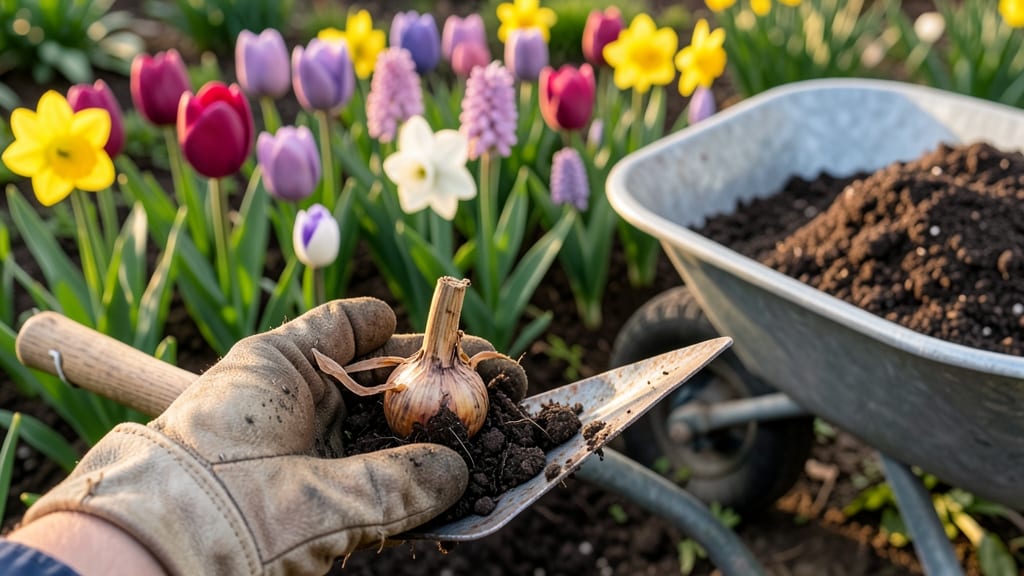
Planting your 🌷 Spring Bulbs (General) at the wrong time in Arkansas could mean the difference between a stunning spring garden and a total flop.
With USDA Zones 7a-8a offering a narrow window between September and November, getting the timing right is the key to vibrant tulips, daffodils, and crocuses that thrive year after year.
I’ve learned the hard way that Arkansas’ unpredictable frost dates—especially in the northern hills versus the warmer Delta regions—can throw off even the most well-meaning gardener. Too early, and your bulbs might rot in damp soil; too late, and they won’t establish roots before winter sets in.
The secret lies in planting 6-8 weeks before the ground freezes, but how do you know when that is for your specific corner of the state?
What if I told you there’s a simple strategy to nail the perfect planting window every time? Whether you’re in the Ozark Mountains or the Arkansas River Valley, we’ll break down the exact months, soil prep tips, and even how to adjust for Arkansas’ clay-heavy soils.
No more guesswork—just confident blooms come spring.
Let’s dive into the step-by-step timing that Arkansas gardeners swear by, so you can enjoy tulips that pop in April and daffodils that brighten your yard by May. Your future self will thank you!
Best months to plant spring-flowering bulbs in Arkansas (Zone 7a-8a)
Timing your spring-flowering bulbs in Arkansas depends on two key windows: fall planting (ideal) and early spring planting (backup). For USDA Zones 7a-8a, fall planting between mid-September and November gives bulbs time to root before winter, while early spring planting in January-February works if fall was missed.
Northern Arkansas (Zone 7a) has earlier frost dates than the Delta (Zone 8a), so adjust accordingly.
In North Arkansas, where first frost typically arrives by November 15, aim to plant bulbs 6-8 weeks before frost—usually late September to mid-October. In the Arkansas Delta (Zone 8a), where frost comes later (around November 25), you have until mid-November to plant.
Soil temperature should be below 60°F but not frozen for successful rooting.
| Bulb Type | Best Planting Months | Soil Temp | Depth (inches) | Notes |
|---|---|---|---|---|
| Tulips | Sep-Oct (fall) or Jan-Feb (spring) | 50-60°F | 6-8" | Plant early for best blooms; avoid heavy clay soils |
| Daffodils | Oct-Nov (fall) or Feb (spring) | 45-55°F | 6-8" | Deer-resistant; tolerates wetter soils |
| Hyacinths | Sep-Oct (fall) | 50-55°F | 6" | Fragrant but toxic to pets; plant in containers if needed |
| Crocuses | Sep-Oct (fall) | 40-50°F | 3-4" | Early bloomers; great for ground cover |
| Alliums | Sep-Oct (fall) or Feb (spring) | 50-60°F | 6-8" | Drought-tolerant; deer-resistant |
For fall planting, focus on September-October in North Arkansas and October-November in the Delta. Use a soil thermometer to confirm temps are below 60°F—this signals bulbs to root without sprouting too early.
In heavy Arkansas clay soils, amend with compost or sand to improve drainage, as waterlogged bulbs rot.
If you miss fall planting, January-February is your second chance for tulips and hyacinths, but daffodils and crocuses prefer fall. Plant early spring bulbs as soon as the soil is workable (above 40°F)—typically by mid-January in Zone 7a and late January in Zone 8a.
Avoid planting after March 1, or blooms may appear weak or fail entirely.
Arkansas’ microclimates matter: Mountainous regions (e.g., Bentonville, Fayetteville) have earlier frosts than the
How to adjust planting time for fall-blooming bulbs (daffodils, alliums, etc.) in Arkansas
Fall-blooming bulbs like daffodils and alliums thrive in Arkansas’ mild winters, but timing is critical. Plant too early, and they’ll rot in damp soil; too late, and frost will damage tender shoots.
The key is understanding Arkansas’ USDA Zones 7a-8a and adjusting for your local first frost dates, which typically range from November 15 in northern Arkansas to December 1 in the southern Delta.
For most Arkansas gardeners, the ideal planting window spans from mid-September to early November. This gives bulbs enough time to establish roots before winter while avoiding the risk of early frost.
In rural areas, where deer and voles pose threats, planting slightly later (late October) can reduce exposure to these pests before the ground freezes.
- 1 Mid-September: Plant early varieties like daffodils and alliums in well-draining soil. Aim for 6-8 weeks before first frost.
- 2 Late September-October: Adjust for clay-heavy soils by amending with compost or sand. Plant deeper (8-10 inches) for better drainage.
- 3 Early November: Focus on late-blooming varieties like tulips or fritillaries. Use deer repellents or protective cages in rural areas.
- 4 Post-Planting: Mulch with 2-3 inches of straw to insulate bulbs and deter voles. Water lightly if rainfall is scarce.
Arkansas’ clay-heavy soils can be a challenge for bulbs, which need excellent drainage. Before planting, loosen the soil to a depth of 12 inches and mix in organic matter like compost or aged manure.
For heavy clay, consider raised beds or mounding soil to improve aeration. This step is especially important in the Delta region, where soils retain moisture longer.
Protecting bulbs from deer and voles is a must in rural Arkansas. Deer often nibble on emerging shoots in spring, while voles chew through bulbs in winter. Use hardware cloth cages (1/4-inch mesh) around individual bulbs or apply deer repellents like rotten egg scent granules.
For large plantings, try physical barriers like chicken wire or plant bulbs near deer-resistant perennials like lavender or Russian sage.
After planting, water deeply once to settle the soil, but avoid overwatering, which can lead to rot. In drought-prone areas like western Arkansas, mulch heavily to retain moisture. Most fall-blooming bulbs don’t need supplemental watering after establishment, but a light soak in early spring encourages robust growth before blooming.
With the right timing and care, your Arkansas garden will burst into color with daffodils, alliums, and tulips by late winter or early spring. The secret?
Planting in September-October, amending heavy soils, and protecting bulbs from pests. Soon, you’ll enjoy vibrant blooms that brighten even the coldest Arkansas days. 🌷