
Plants
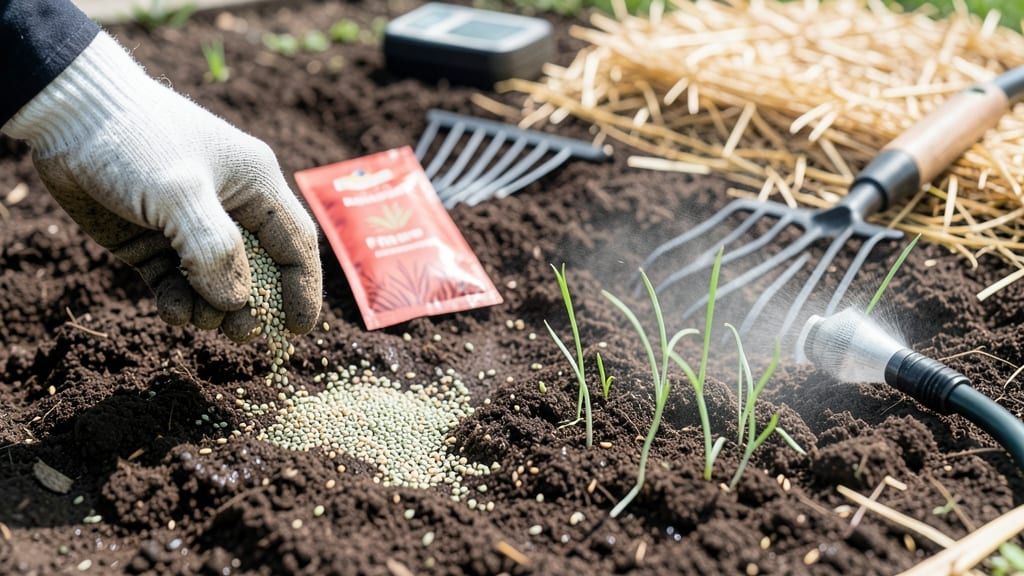
When is a good time to plant grass seed in the spring? Transforming your lawn from a patchy mess into a vibrant carpet starts with timing—but get it wrong, and you’re stuck waiting another year. The key isn’t just avoiding frost; it’s knowing your last frost date and soil temperature, which vary wildly depending on where you live.
In USDA Zone 6a, like much of the Midwest, your window opens around April 15, but that’s just the start. Cool-season grasses like Kentucky bluegrass need soil at 50°F+, while warm-season types like Bermuda wait for 65°F+.
Miss this, and your seeds either rot or sprout too late to thrive.
I’ve seen lawns fail because of one simple mistake: planting too early when the ground is still cold or too late when summer heat arrives. The sweet spot? 2-4 weeks after frost, with consistent moisture to keep those 🌱 seedlings happy.
Let’s break down exactly how to nail this timing—no guesswork.
You’ll learn how to check soil readiness, pick the right grass type for your climate, and avoid the 3 biggest blunders that kill germination. Ready to grow that dream lawn? Let’s get started.
Spring grass seed planting deadlines by last frost date (region-specific guide)
Timing your grass seed planting in spring is all about reading your region’s last frost date. Plant too early, and frost will kill tender seedlings. Too late, and summer heat stresses new growth.
The sweet spot? 2-4 weeks after frost, when soil temperatures and moisture align perfectly for germination. Let’s break down the exact windows for your USDA hardiness zone, plus which grass types thrive in your climate.
Cool-season grasses like tall fescue and Kentucky bluegrass love spring’s mild temperatures, while warm-season varieties such as bermuda and zoysia need warmer soil to sprout. Your zone determines which type succeeds—and when to plant.
Use this guide to pinpoint your ideal window, plus pro tips to beat common pitfalls like uneven germination or weed competition.
| USDA Zone | Last Frost Date Range | Cool-Season Grasses (Tall Fescue, Kentucky Bluegrass) | Warm-Season Grasses (Bermuda, Zoysia) | Pro Tip for Your Zone |
|---|---|---|---|---|
| Zone 3-4 (Cold Climates) | Mid-April to early May | Plant 4-6 weeks after frost (late May). Ideal for tall fescue and fine fescue. | Avoid—warm-season grasses struggle in these zones. Focus on cool-season blends. | Use a thick mulch layer (straw) to insulate seeds from late frosts. |
| Zone 5 (Midwest/Northeast) | Mid-April to early May | Plant 2-3 weeks after frost (early to mid-May). Kentucky bluegrass and perennial ryegrass excel here. | Wait until late May when soil hits 65°F+. Try buffalo grass for drought tolerance. | Test soil pH—aim for 6.0-7.0. Lime may be needed if soil is acidic. |
| Zone 7 (Southeast/Central) | Late March to early April | Plant cool-season grasses in fall (Sept-Oct). Spring planting is risky—opt for annual ryegrass as a temporary cover. | Plant warm-season grasses in late April when soil is 70°F+. St. Augustine and centipede grass thrive here. | Mulch with straw to retain moisture—spring rains can wash out seeds. |
| Zone 9-10 (Southwest/California) | Late January to early February | Skip cool-season grasses—focus on warm-season types like bermuda or zoysia. | Plant warm-season grasses in March when soil is 65°F+. Tall fescue can work in coastal areas. | Water deeply 2x/day for 10 minutes to prevent drought stress. |
Your last frost date isn’t the only factor—soil temperature matters just as much. Cool-season grasses need soil at 50-60°F, while warm-season types require 65-75°F. Use a soil thermometer ($10 at garden centers) to check before planting.
Pro tip: In unpredictable zones like Zone 5, add 2 extra weeks of buffer time if NOAA forecasts late frosts.
Region-specific grass types make all the difference. In Zone 3-4, tall fescue dominates because it tolerates cold snaps. Meanwhile, Zone 9-10 gardeners swear by bermuda grass for its drought resistance.
Always match your seed to your climate—mismatches lead to thin, weak lawns. For example, planting Kentucky bluegrass in Zone 10 will result in brown patches by summer.
Don’t overlook soil prep—it’s the foundation of success. Till or aerate 6 inches deep to loosen compacted soil, then rake to create a fine, crumbly texture.
Add compost or peat moss if your soil is sandy, or sand if it’s clay-heavy. A quick pH test (under $20) tells you
5 Critical factors that determine the Perfect Spring Planting Window
Spring isn’t just about waiting for frost to fade—it’s about soil temperature, rainfall patterns, and microclimate shifts that most gardeners overlook.
I’ve planted grass seed for over a decade, and I can tell you: timing wrong by even a few days can mean the difference between a thick lawn and a patchy disappointment.
The key isn’t just the last frost date—it’s understanding when your soil is truly ready for seeds to thrive.
Cool-season grasses like Kentucky bluegrass and tall fescue need 50-65°F soil temperatures, while warm-season types such as bermuda or zoysia won’t germinate well until the soil hits 65-75°F. But here’s the catch: rainfall timing and unpredictable frost can throw off even the most precise planting schedule.
Let’s break down the 5 non-negotiable factors that determine your ideal window—and how to adjust if Mother Nature throws you a curveball.
Soil Temperature Rules
Cool-season grasses: Wait until soil reaches 50°F+ (use a soil thermometer). Warm-season grasses: Plant when soil hits 65°F+. Pro tip: Morning temps are most accurate—check before 10 AM.
Rainfall Readiness
Aim for 1-1.5 inches of rain per week post-planting. If drought looms, water manually 2x/day for 10-15 mins—morning and late afternoon. Overwatering creates crust that suffocates seeds.
Frost-Free Buffer
Add 2-4 weeks after last frost if your spring is unpredictable. Check NOAA’s 30-day forecast—even a light frost can kill tender seedlings. Test soil weekly if temps fluctuate wildly.
Let’s say you’re in Zone 5 and your last frost is April 15—but your soil thermometer shows 48°F on April 20. That’s a red flag. Cool-season grasses won’t germinate reliably below 50°F, and waiting just 5 more days could save you from rotten seeds and wasted effort.
I once planted too early in a chilly spring, and my Kentucky bluegrass took 3 weeks longer to establish because the soil stayed too cold.
Rainfall is another wild card. If your region typically gets scattered showers in May, you might need to water manually until consistent rain returns. In my dry-climate zone, I set up a drip irrigation system on a timer to mimic natural rainfall.
Without it, my grass seed would dry out before sprouting. Pro move: Use a moisture meter to track soil dampness—aim for 60% moisture in the top 2 inches.
Finally, don’t forget about microclimates. A south-facing slope warms up faster than a north-facing yard, and shady spots stay cooler longer.
I once planted tall fescue in a shady corner in early April—only to watch it fail because the soil never hit 50°F. Solution: Test soil temps in multiple spots and adjust your planting date accordingly. If one area is 3-5°F cooler, wait until it catches up.
Here’s my 3-step checklist to nail your spring planting window: 1) Test soil temp daily after last frost. 2) Monitor rainfall (or set up irrigation). 3) Add a 2-week buffer if forecasts show frost risk. Follow these, and you’ll have 90%+ germination rates—no guesswork, just green success. 🌱