
Plants
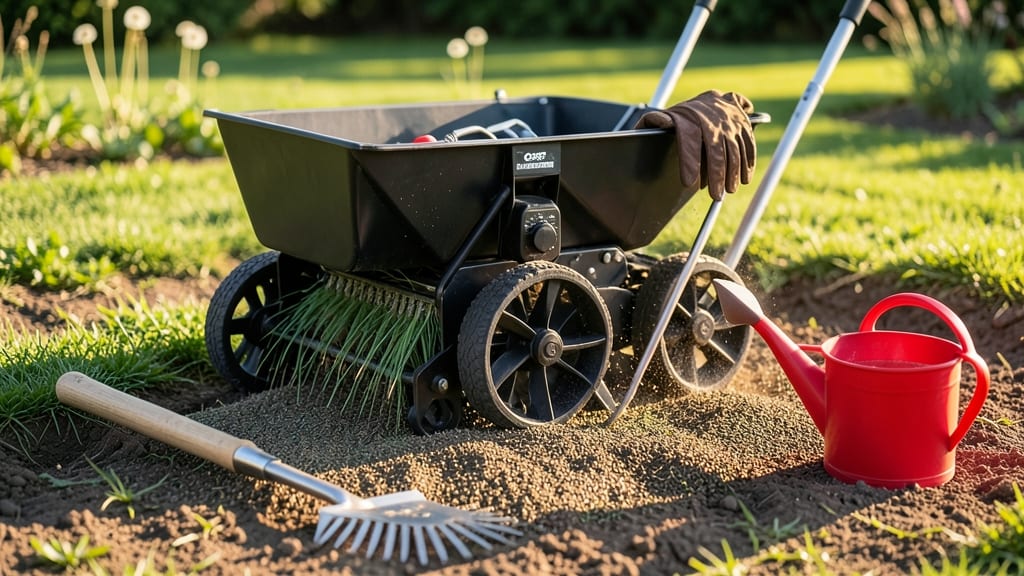
Planting grass seed at the wrong time in spring can leave you staring at a patchy lawn all summer—or worse, starting over months later. The key isn’t just waiting for warm weather; it’s timing it with soil temperatures that actually trigger fast germination.
Most gardeners miss this window because they focus on air temps instead of what’s happening beneath the surface.
For Zone 6a (and similar climates), the ideal window opens when soil hits 55°F—usually 4-6 weeks after your last frost date. That means if your last frost hits April 15th, you’re looking at early to mid-May for most grass types.
But here’s the catch: cool-season grasses (like fescue) can handle slightly cooler soil, while warm-season varieties (like Bermuda) need 65°F+ to sprout.
Why does this matter? Because rushing too early risks frost damage, while waiting too long lets weeds steal your lawn’s spot. I’ll break down exactly how to test your soil, adjust for late springs, and even salvage a failed attempt. Let’s get your grass growing fast—without the guesswork.
Whether you’re seeding a new lawn or repairing bare patches, nailing this timing means thicker grass by summer and fewer headaches along the way. Ready to turn your patchy yard into a lush carpet? Let’s dive into the science—and the shortcuts—that make all the difference.
Ideal soil temperature ranges for spring grass seed germination
Spring is the perfect time to plant grass seed, but getting the soil temperature right is non-negotiable. Cool-season grasses like Kentucky bluegrass and fescue thrive when soil hits 50-65°F, while warm-season varieties such as Bermuda and Zoysia need 65-75°F to germinate properly.
Planting too early or late can lead to slow germination, weed competition, or even seed rot.
Your USDA hardiness zone plays a huge role in timing. Northern climates (Zones 3-5) typically see ideal conditions in early to mid-April, while Southern regions (Zones 7-9) can start as early as February.
Always check your local frost dates—planting too soon risks frost damage, while waiting too long may mean weed infestations take over before your grass establishes.
Here’s a quick reference for soil temperature thresholds by grass type and region:
To test your soil temperature accurately, use a soil thermometer (available for under $10). Insert it 2 inches deep—this is where seeds will germinate—and check readings in the morning (soil is cooler then).
If your thermometer reads below the ideal range, wait 1-2 weeks or use a black plastic mulch to warm the soil faster.
Pro tip: Warm-season grasses planted too early may germinate slowly, leaving your lawn vulnerable to crabgrass and other weeds. Conversely, cool-season grasses planted too late might not establish before summer heat sets in. Aim for a 2-week window where soil temps stay consistently in the ideal range before planting.
If you’re in a transition zone (like Kansas or Virginia), consider planting tall fescue, which tolerates a wider temperature range (55–65°F). This variety bridges the gap between cool- and warm-season grasses, giving you more flexibility.
For best results, test your soil’s moisture retention alongside temperature—dry soil can stall germination even at perfect temps.
Another critical factor is daytime vs. nighttime temperatures. While soil temp is key, air temps below 50°F at night can slow germination for cool-season grasses.
Use a row cover or lightweight mulch to protect seeds if nighttime temps dip unexpectedly. Warm-season grasses, meanwhile, need consistent daytime warmth (above 70°F) to thrive.
For Northern climates, time your planting to align with spring rains. April showers keep soil moist, which is crucial for seed-to-soil contact. In Southern climates, early spring can still be cool, so monitor soil temps closely—don’t rush the process. Patience here prevents seed dormancy or uneven germination.
Once you’ve nailed the soil temperature, prepare your lawn by loosening the top 1/4 inch of soil with a rake or aerator. This ensures seeds make direct contact with moist, warm soil.
After planting, keep the area consistently moist (not soggy) until germination, which typically takes 7–21 days depending on the variety and conditions.
Remember: Soil temperature is just one piece of the puzzle. Pair it with proper seed variety selection, soil prep, and post-planting care to guarantee a thick, healthy lawn by summer. With the right timing, you’ll be enjoying that lush green carpet in no time! 🌱
5 Signs your spring soil is ready for grass seed planting
Spring can be a tricky time for grass seed planting—too early and frost will kill your efforts, too late and summer heat stresses young seedlings. But beyond checking the calendar, your soil itself holds the clues.
I’ve learned to watch for five key signs that tell me it’s finally time to plant. These indicators go beyond temperature charts and help ensure your seeds make solid contact with fertile, weed-free soil.
First, the soil temperature should consistently stay above 55°F for at least a week. But don’t rely solely on forecasts—dig a shallow hole and check with a soil thermometer. Warm soil means your seeds won’t sit dormant, waiting for the perfect moment.
Next, look for moist but not soggy soil. Press your finger into the ground; it should hold together but not ooze water. Overly wet soil smothers seeds, while dry soil won’t support germination.
✅ 5 Signs Your Soil Is Ready
- 1. Soil temp stays above 55°F for 7+ days
- 2. Moisture is even—no puddles or dust
- Weeds are dormant or easily pulled
- Frost risk is below 10% in your region
- Seed-to-soil contact is unobstructed (no thatch)
Use these checks to avoid common mistakes like planting too soon or skipping prep work.
Weed competition is another red flag. If weeds like crabgrass or chickweed are already sprouting, your grass seeds will struggle to compete. Pull them by hand or spot-treat with a natural herbicide like vinegar (5% acetic acid) before planting. This gives your new grass a fighting chance.
Also, check your local frost risk. Even if soil is warm, a late frost can devastate tender seedlings. Use the National Weather Service’s frost prediction tool to confirm your area’s risk drops below 10%.
Finally, ensure your lawn has optimal seed-to-soil contact. Rake the area lightly to break up thatch or compacted soil, creating tiny grooves for seeds to nestle into. A smooth, hard surface won’t let seeds make contact with moisture or nutrients.
Once you’ve prepped the soil, do a quick test: Sprinkle a handful of seeds on the surface. If they stay put (not blowing away) and the ground feels slightly rough, you’re ready.
Timing your planting right isn’t just about the calendar—it’s about reading your soil’s signals. When you see these five signs together, grab your seeds and get planting. Your lawn will thank you with thick, vibrant growth by summer.
And remember, if weather throws you a curveball, a lightweight row cover can protect seedlings from unexpected chills.
Don’t wait until the last minute to check your soil. Start monitoring these signs now, and you’ll be the first on your block with a lush, green lawn. Happy planting! 🌱