
Plants
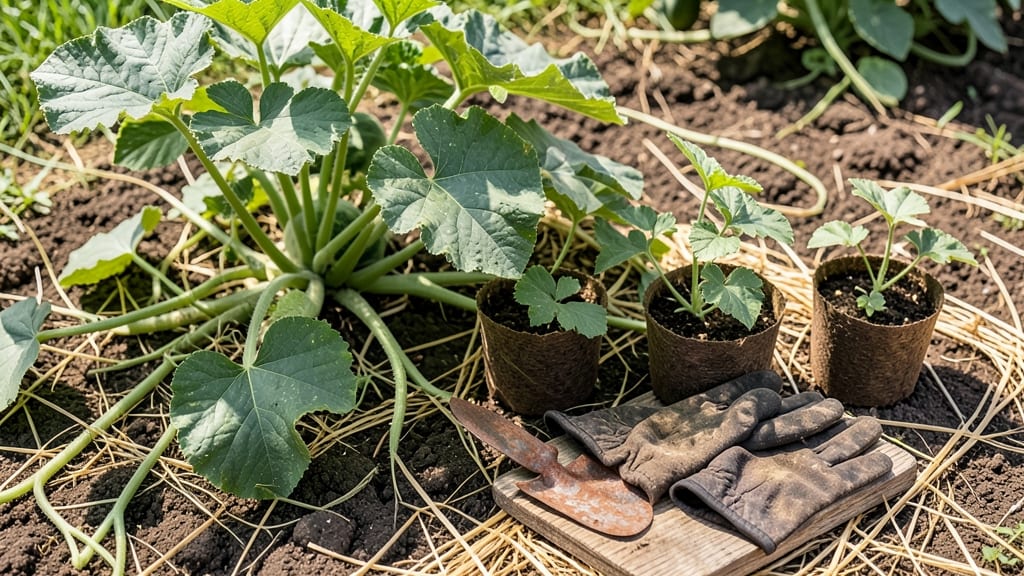
Planting watermelons in Tennessee isn’t just about dropping seeds in the dirt—it’s about catching that perfect window between frost risk and scorching summer heat. Miss the mark, and you’ll either lose your vines to a late freeze or watch your 🍉 never ripen before the first chill of fall.
The secret? Timing your planting based on soil temperature (not just air temperature) and your specific heat zone—because what works in Nashville’s Zone 7 won’t always cut it in the cooler valleys of East Tennessee.
Most gardeners in 6a-7b zones wait until mid-April to early June, but that’s just the starting point. The real game-changer is soil temperature: watermelon seeds need at least 70°F to germinate, and Tennessee’s microclimates can make that a moving target.
In West Tennessee’s warmer pockets, you might start as early as late March with black plastic mulch, while Zone 6 gardeners in the mountains should hold off until late May to avoid frost surprises.
Here’s what you’ll discover: the exact planting schedule for your region, how to test soil temperature like a pro, and three heat zone hacks to extend your harvest—even if your summer feels shorter than usual.
Whether you’re a first-time grower or a seasoned Tennessee gardener, these tips will help you turn your patch into a 🍉 goldmine by July.
Ready to skip the guesswork? Let’s break down the best dates, soil secrets, and fast-growing varieties that thrive in Tennessee’s climate—so you can enjoy that first juicy slice before the season slips away.
Best planting dates for Tennessee watermelons by region (frost-free Zone maps)
Tennessee’s three distinct regions—East, Middle, and West—each offer unique growing windows for watermelons. Zone 6-7 in the mountains, Zone 7 in the central valleys, and Zone 7-8 in the west all demand different timing to avoid frost damage or missed harvests.
Let’s break down the frost-free dates and ideal planting windows for each area to ensure your vines thrive.
Watermelons are heat-loving annuals that need 70°F+ soil temperatures to germinate. In Tennessee, this typically aligns with mid-April to early June, but your exact timing depends on your region’s last frost date and heat zone.
For example, West Tennessee’s Zone 8 can start planting as early as late March, while East Tennessee’s Zone 6 may need to wait until late May for safety.
🚨 CRITICAL NOTE: Always check your local USDA Plant Hardiness Zone and microclimate (valleys vs. ridges) for adjustments. For instance, Nashville’s Zone 7 averages 180 frost-free days, while Chattanooga’s Zone 7a might have 160 days, cutting your growing season short.
| Region | USDA Zone | Last Frost Date | Direct Sowing Window | Transplant Window | Soil Temp Requirement |
|---|---|---|---|---|---|
| East Tennessee | 6a-7a | Mid-April | Late May - Early June | Early May (with frost cloth) | 70°F+ (wait for warmth) |
| Middle Tennessee | 7a-7b | Early April | Mid-April - Late May | Late April - Early May | 70°F+ (sooner in valleys) |
| West Tennessee | 7b-8a | Late March | Late March - Early May | Mid-March (with row covers) | 68°F+ (warmer earlier) |
| All Regions | - | - | Best for: Fast varieties (60-70 days) | Best for: Longer seasons (75+ days) | Test with: Soil thermometer |
For East Tennessee gardeners in Zone 6-7, the last frost date often lands around mid-April, but planting watermelons too soon risks cold soil and slow germination.
Aim for late May to early June for direct sowing, or start transplants indoors in April to harden off by early May. Black plastic mulch can warm soil by 5-10°F, letting you plant 2-3 weeks earlier.
In Middle Tennessee (Zone 7), you’ve got more flexibility. Direct sow seeds from mid-April to late May, or transplant 4-6 week-old seedlings in late April.
This region’s longer growing season (180+ frost-free days) lets you experiment with larger varieties like ‘Crimson Sweet’ (80 days) or ‘Moon and Stars’ (85 days), but stick to 60-day varieties like ‘Sugar Baby’ if planting late.
West Tennessee’s Zone 7-8 climate is the most forgiving, with earlier last frosts and hotter summers. You can direct sow as early as late March in protected microclimates, or transplant by mid-March with row covers.
This region’s longer heat zone (up to 100°F+) speeds up growth, so prioritize shade cloth in peak summer to prevent blossom drop.
💡 PRO TIP: Use a soil thermometer to confirm 70°F+ soil temps before planting. In Zone 6, this might mean waiting until early June, while Zone 8 could see 60°F+ soils by March.
Adjust your variety choice based on your region’s frost-free window—60-day varieties for late plantings, 90-day varieties for early starts.
If you’re in a transition zone (like Zone 7a), consider staggered plantings: sow half your seeds in May and the other half in early June. This spreads out your harvest window from
Watermelon soil temperature rules: how to time planting for speedier growth
Watermelons are heat-loving plants that refuse to germinate until the soil warms up. In Tennessee, soil temperatures below 70°F will leave your seeds sitting dormant, while ideal conditions (75°F+) trigger rapid sprouting in just 4-7 days.
Understanding this threshold is the key to avoiding wasted effort and ensuring your vines take off quickly.
Most Tennessee gardeners wait until mid-April to early June to plant watermelons, but these dates vary wildly between East Tennessee’s cooler valleys and West Tennessee’s warmer ridges. A soil thermometer is your best friend here—it’s the only way to know for sure when conditions are perfect for planting.
⚠️ Critical Warning: Don’t Plant Too Early!
Even if air temperatures feel warm, cool nights in April can drop soil temps below 60°F—far too cold for watermelon seeds. Planting too soon leads to rotten seeds, stunted growth, or frost-killed vines. Always confirm 70°F+ soil temps for 3+ days before sowing.
🌡️ Pro Tip: Check soil temps afternoon (2 PM) when heat has fully penetrated. Morning readings can be misleadingly low.
Tennessee’s microclimates create dramatic differences in soil warming. South-facing slopes and urban heat islands can hit 75°F weeks before shaded valleys or high-elevation areas. For example, Chattanooga’s Zone 7 ridges may be ready by late April, while East Tennessee’s Zone 6 valleys might need to wait until mid-May.
If your soil is still too cool, try these emergency warming tricks:
- Lay black plastic mulch 1-2 weeks before planting to absorb sunlight
- Use row covers during the day to trap heat (remove at night)
- Plant in raised beds filled with compost—these warm up faster
Once your seeds sprout, maintain soil temps between 75-90°F for optimal growth. If nights dip below 60°F after germination, use floating row covers or cloches to protect tender seedlings. Remember: Watermelons grow fastest when soil stays warm—prioritize heat over everything else!
For Zone 7-8 areas, you can even try an early June planting for a fall harvest. Just select shorter-season varieties like ‘Sugar Baby’ (70 days) and monitor soil temps closely—late summer heat can stress plants if they don’t have enough water.