
Plants
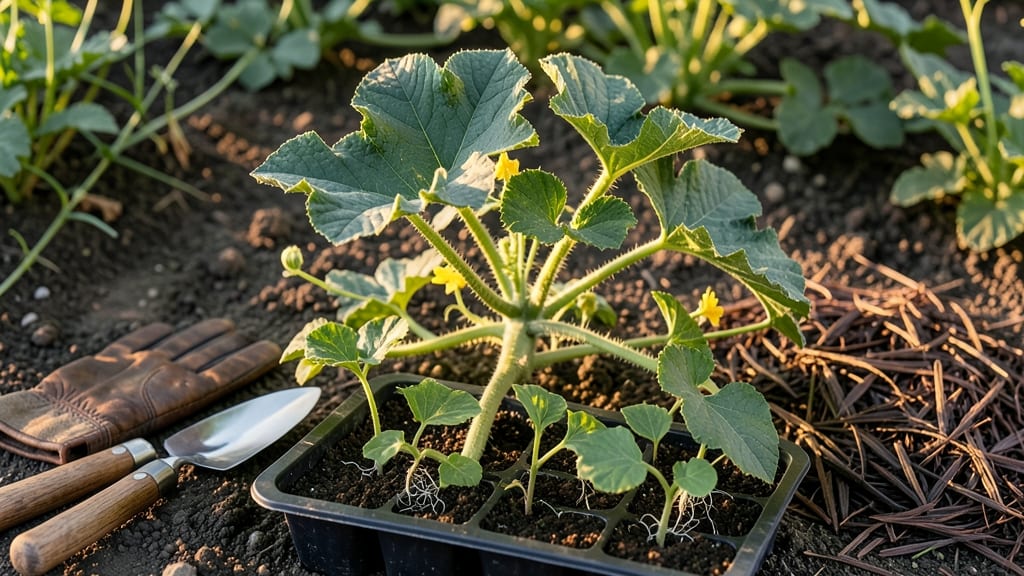
Planting watermelon in North Carolina isn’t just about dropping seeds in the dirt—it’s about nailing the perfect timing to beat frost and maximize sweet harvests.
With USDA zones 7a-8b offering diverse climates, your 🍉 crop hinges on soil temps, frost dates, and regional quirks that can make or break your garden.
Too early, and a late frost will wipe out your seedlings. Too late, and you’ll miss the July-September harvest window when watermelons reach peak ripeness.
I’ve dug into NC State Extension data to break down the exact windows—from the Coastal Plain’s earlier starts to the Mountains’ delayed seasons—so you can plant with confidence.
Whether you’re direct-sowing seeds or transplanting seedlings, knowing when to put them in the ground makes all the difference. We’ll cover soil temperature rules (hint: it’s not just about air temps), how to adjust for your specific microclimate, and even tricks to extend your growing season if needed.
Ready to grow juicy, vine-ripened watermelons? Let’s get into the precise planting schedule that works for your corner of North Carolina—no guesswork, just results.
NC watermelon planting calendar: frost-free dates & soil temperature rules
North Carolina’s diverse climate—from the Coastal Plain to the Piedmont and Mountains—means your watermelon planting timeline should match your region’s last frost date and soil temperature. Watermelons thrive when soil stays above 55°F, but for optimal germination, aim for 70°F+.
If you plant too early, chilly soil delays sprouting, while late planting risks a short harvest before fall frost.
Use the USDA Plant Hardiness Zone Map to find your zone (NC ranges from 7a-8b). Coastal areas (Zone 8a) often have earlier last frosts (mid-March to early April), while mountain regions (Zone 7a) may wait until mid-May.
Check your local NC State Extension office for precise frost dates—historical averages can vary yearly.
Here’s your region-specific planting calendar, including soil temperature thresholds and frost-free windows to plan for a bountiful harvest:
| Region | Last Frost Date | Soil Temp for Planting | Ideal Planting Window | Harvest Window |
|---|---|---|---|---|
| Coastal Plain (Zone 8a) | Mid-March to early April | 70°F+ (use black plastic mulch) | Late March–mid-April | June–September |
| Piedmont (Zone 7b) | Mid-April | 65°F+ (wait for 70°F for faster growth) | Early–mid-May | July–early October |
| Mountains (Zone 7a) | Mid-May | 70°F+ (use row covers for warmth) | Late May–early June | August–September |
Note: Adjust for early/late seasons by using row covers or black plastic mulch.
If your soil temperature hasn’t reached 55°F by your region’s ideal planting window, don’t panic. Use black plastic mulch to warm the soil by 5–10°F faster. Lay it down 2–3 weeks before planting to create a microclimate.
For mountain gardeners, row covers can push planting back by 2–3 weeks while protecting seedlings from late frosts.
For direct sowing, plant seeds ½ inch deep and 3–4 inches apart in hills. Space hills 5–6 feet apart to give vines room to sprawl. If you’re using transplants, harden them off for 7–10 days before setting them out after the last frost.
In Coastal NC, you can even try an early spring planting under row covers for a June harvest.
Watch for unpredictable late frosts, especially in the Piedmont and Mountains. Use frost cloth or row covers on young plants until they’re 4–6 inches tall.
In Coastal NC, where summers are longer, you can even try a second planting in early June for a late-summer harvest—just be ready to use drip irrigation to combat humidity-related diseases like powdery mildew.
Pro tip: Mark your last frost date on your calendar and count back 75–90 days (watermelon’s average days to maturity). This ensures you’ll harvest before the first frost. For example, if your first frost is October 15, plant by mid-July at the latest for a successful harvest.
In Zone 8a, you’ll have more flexibility, but in Zone 7a, aim for early June planting at the latest.
Remember, soil temperature matters more than air temperature. Use a soil thermometer to check depths of 2–4 inches. If it’s below 55°F, delay planting or use warmth-boosting tricks like clear plastic tunnels.
With the right timing, your NC watermelon patch will thrive—just don’t let frost steal your sweet rewards! 🍉
Direct sowing vs. starter plants: NC-specific growing strategies for faster harvests
North Carolina’s shorter growing season in the Piedmont region means choosing between direct sowing and starter plants can make or break your watermelon harvest.
For early varieties, starter plants give you a 2-3 week head start, while direct sowing works better for heat-loving varieties planted after May 15 in most zones.
In Coastal NC (Zone 8a-8b), you can direct sow as early as April 15 if soil temps stay above 70°F. But in Mountain regions (Zone 7a), starter plants are your best bet—plant them indoors in March and transplant after May 1 to avoid late spring frosts.
Direct Sowing vs. Starter Plants for NC Watermelons
- Cost-effective (no transplant shock)
- Better for heat-loving varieties
- No hardening-off process needed
- Slower maturity (2-3 weeks behind)
- Risk of frost damage if planted too early
- Harder to control spacing
- Faster harvest (2-3 weeks earlier)
- Better for short seasons (Mountains)
- Easier to manage spacing
- Higher upfront cost (seedlings)
- Transplant shock risk if not hardened off
- Limited variety selection locally
- Direct Sow: Crimson Sweet, Sugar Baby
- Starter Plants: Charleston Gray, Black Diamond
For Piedmont’s brutal summer heat, opt for heat-tolerant varieties like Crimson Sweet or Sugar Baby, which thrive when direct-sown after May 15. These varieties handle NC’s 90°F+ temperatures better than cooler-season types.
If you’re using starter plants, harden them off for 7-10 days by gradually exposing them to outdoor conditions during the day and bringing them in at night.
My hardening-off tip: Start by placing seedlings in partial shade for 2 hours, then increase exposure by 2 hours daily. Avoid transplanting on windy days or when temps exceed 85°F, as this stresses young plants. Water deeply before and after transplanting to reduce shock.
For late-season extensions, try succession planting with starter plants every 2 weeks from May through June. This ensures a continuous harvest through August-September, even in NC’s shorter growing windows.
Just remember: watermelons need 70-80°F soil temps to germinate, so avoid planting before mid-April in Coastal NC or mid-May in the Mountains.
Pro tip: Use black plastic mulch to warm soil faster—this lets you direct sow 1-2 weeks earlier in Coastal regions. For Piedmont’s clay soil, amend beds with compost to improve drainage, as watermelons hate soggy roots. 🍉