
Plants
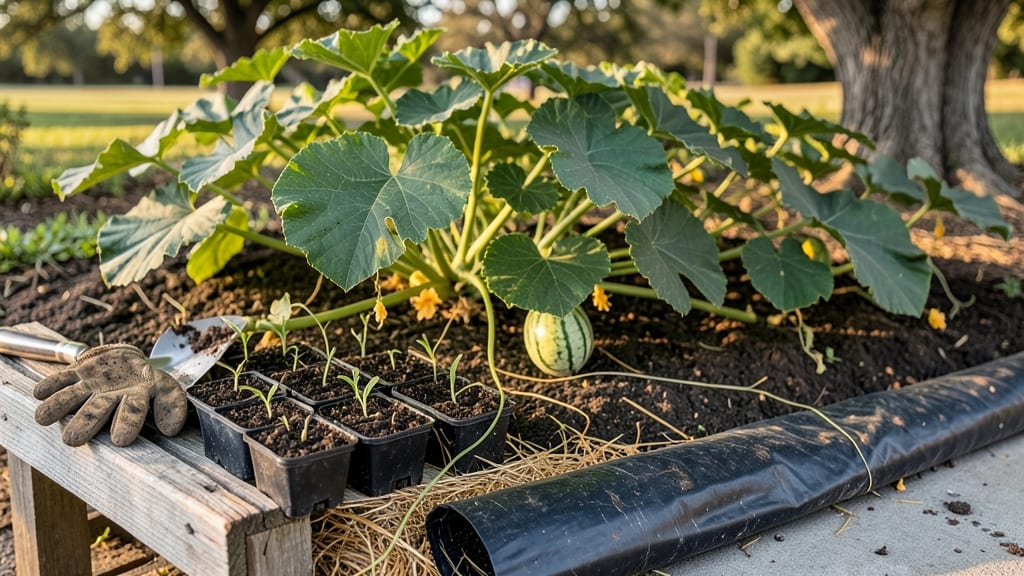
Planting watermelons in Texas isn't just about throwing seeds into the dirt—it's about timing them perfectly to beat the heat and avoid frost. The wrong window means your 🌱 melons could bolt in the cold or wilt under the scorching sun before they ripen.
Whether you're in North Texas or down near the Gulf Coast, knowing the exact heat zone deadlines is the key to a bountiful harvest.
I've learned the hard way that Texas' unpredictable weather demands a strategy. Too early, and a late frost will nip your seedlings in the bud. Too late, and the summer heat arrives before your melons even sprout.
The solution? Planting when soil temperatures hit that sweet spot—usually between 60°F and 90°F—and adjusting your schedule based on your specific region's frost-free dates.
What you'll discover here are the precise planting windows for your part of the Lone Star State, plus pro tips for starting seeds indoors versus direct sowing. We'll also cover soil prep, watering hacks, and how to protect your vines from Texas' infamous summer droughts.
No more guessing—just a foolproof plan for juicy, vine-ripened melons every season.
Ready to grow watermelons that rival the ones at the farmers' market? Let's dive into the exact months and methods that work for Texas gardeners, so you can enjoy that first slice of homegrown sweetness before summer even begins.
Texas heat zones explained: best planting windows by region
Texas' diverse heat zones create wildly different planting deadlines for watermelons. In North Texas, where last frost dates hover around March 15, you'll need to wait until mid-April for soil warmth.
Meanwhile, South Texas gardeners can plant as early as February 15—but only after soil reaches 70°F. Central Texas falls somewhere in between, with ideal planting windows opening around late March.
The key to success? Soil temperature trumps calendar dates. Watermelon seeds won't germinate below 60°F, and young plants struggle in heat below 75°F. Use a soil thermometer to verify readiness—this simple tool saves hours of guesswork.
I’ve learned the hard way that rushing seedlings into cold soil leads to rot and stunted growth.
Here’s how Texas’ three main regions differ in critical planting metrics:
| Region | Avg. Last Frost | Ideal Planting Window | Soil Temp. Requirement | Early Variety Tip |
|---|---|---|---|---|
| North Texas (Dallas/Fort Worth) | March 15 | Mid-April to May 1 | 70°F+ for 7+ days | Start Sugar Baby indoors by Feb 15 |
| Central Texas (Austin/San Antonio) | February 28 | Late March to April 15 | 65°F+ for 5+ days | Direct sow Crimson Sweet after March 20 |
| South Texas (Houston/Corpus Christi) | January 31 | February 15 to March 15 | 60°F+ for 3+ days | Plant Black Diamond after Feb 1 |
🌡️ Pro Tip: Use black plastic mulch to warm soil 2–3°F faster in cooler zones.
For early varieties, I recommend starting seeds indoors 3–4 weeks before your region’s ideal window. This head start helps seedlings outpace spring’s unpredictable weather. For example, in North Texas, I sow Sugar Baby seeds by February 15 in biodegradable pots.
By April 15, they’re hardened off and ready for transplanting.
Adjust timing for late varieties like Moon and Stars, which need 90 days to mature. These should go in by May 1 in North Texas or April 15 in Central Texas.
The trade-off? You risk bolting (premature flowering) if summer heat arrives early. I’ve had success with shade cloth during peak afternoons to extend the season.
Watch for soil moisture fluctuations—Texas springs swing from drought to deluge in weeks. Overwatering after planting can drown seeds, while drought stress causes poor germination. I’ve found that drip irrigation with a timer set to 15 minutes daily keeps moisture consistent without waterlogging.
Don’t overlook vine spacing when planning. Watermelons need 3–6 feet between vines, depending on variety. In South Texas, where space is often limited, I train vines along trellises to save garden real estate. This also improves air circulation, reducing fungal risks like powdery mildew.
Finally, mark your calendar for harvest windows: North Texas melons typically ripen by July–August, while South Texas gardeners can expect harvests as early as June.
Use a thermometer to check fruit temperature—86°F+ means it’s ready to pick. I’ve learned that harvesting at peak ripeness improves flavor and storage life.
Mastering these heat zone deadlines turns Texas’ extreme climate into an advantage. With the right timing, you’ll beat the heat and enjoy homegrown watermelons that rival store-bought—if not better. 🌱
Step-by-step watermelon planting calendar for Texas gardens
Texas' unpredictable spring weather makes timing critical for watermelon success. Unlike northern states, we don't have to wait until May—warm soil (70°F+) is the real deadline. Start planning now to beat both late frosts in North Texas and summer heat in the Rio Grande Valley.
Your planting window spans from late February in South Texas to mid-April in the Panhandle. The key is matching soil warmth with seedling readiness. Here's exactly when to take each action month-by-month:
February (South Texas only)
Start seeds indoors under grow lights if using early varieties (65-70 days to maturity). Use seed-starting mix and maintain 75-80°F soil temps with heat mats.
March (Central & South Texas)
Direct sow seeds after last frost (typically March 1-15) when soil reaches 70°F+. Space seeds 1 inch deep, 6 inches apart. Harden off indoor seedlings for 1 week before transplanting.
April (North & Central Texas)
Transplant hardened seedlings (3-4 leaves) into raised beds or mounded soil. Apply mulch (straw or black plastic) to retain moisture and prevent soil splashing. Use drip irrigation to avoid fungal diseases.
May (All Regions)
Thin seedlings to 24 inches apart in rows 6 feet apart. Apply compost tea for nutrient boost. Watch for cucumber beetles—use row covers if needed. Increase watering to 1-2 inches per week.
June (Harvest Prep)
Monitor vine growth—trellis varieties if needed. Apply shade cloth (30%) during peak heat (100°F+). Check for powdery mildew—spray with neem oil if spotted. First harvests appear in 70-90 days for early varieties.
Pro tip: Use a soil thermometer—watermelon seeds need consistent 70°F+ soil to germinate. In North Texas, wait until April 15 minimum, even if skies are clear. The 100°F+ afternoons in July? That's when your melons will ripen fastest—just keep soil moist and watch for squirrel theft!
Remember: Texas summers demand drip irrigation and morning watering only. Avoid wetting leaves to prevent fungal diseases like powdery mildew. With this schedule, you'll beat the heat and frost—guaranteed juicy watermelons by August! 🌱