
Plants
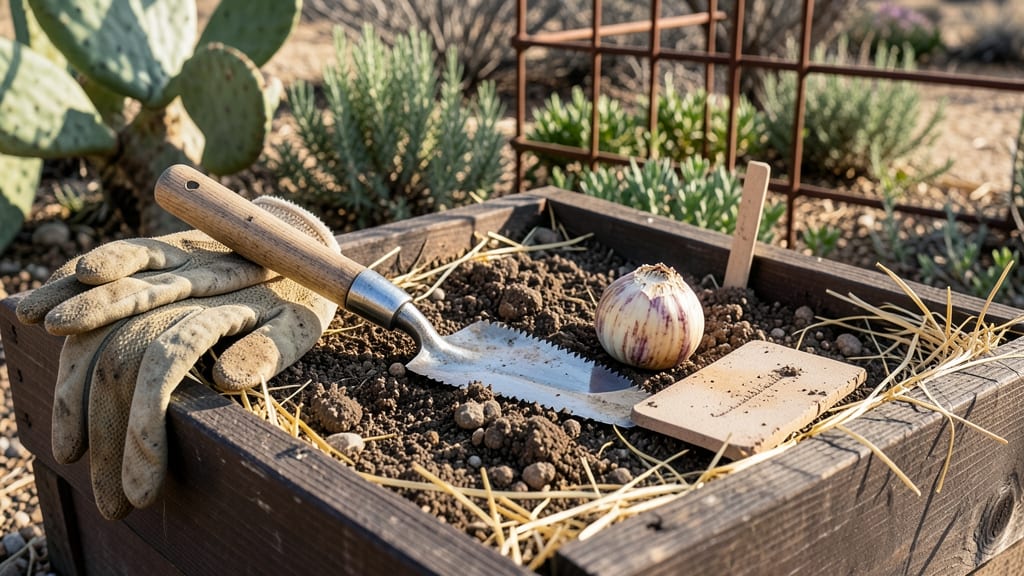
Planting tulip bulbs 🌷 in Texas isn’t just about timing—it’s about outsmarting the state’s brutal summers and unpredictable freezes to guarantee those showstopping spring blooms. Unlike cooler climates, Texas gardeners must work with a narrow window between scorching heat and early frost, making fall planting your secret weapon for success.
Most gardeners assume tulips thrive only in mild zones, but with the right strategy, they can flourish in Texas’ USDA 8a-10b regions. The key? Planting bulbs 6-8 weeks before the first frost—typically between October and December, depending on your heat zone—so they establish roots before winter arrives.
I’ve learned the hard way that planting too early means bulbs bake in summer heat, while waiting too long risks frost damage.
Let me walk you through the exact steps to prep your soil, choose the right varieties, and protect your bulbs from Texas’ quirks—so you can enjoy a garden bursting with color next spring.
Whether you’re in North Texas’ cooler 7b-8a or South Texas’ balmy 9a-10b, this guide covers everything you need to know. No more guesswork—just vibrant tulips that defy the Texas climate!
Texas heat zones and ideal tulip planting months for zero-frost success
Texas gardeners know that timing is everything when planting tulip bulbs. Unlike cooler climates, Texas' heat zones 8-10 create unique challenges—scorching summers can stress bulbs, while unpredictable freezes demand precise planting windows. The key? Planting when soil temps drop below 70°F but before the first frost arrives.
Most Texas regions fall into USDA zones 8a-10b, with North Texas (7b-8a) having earlier frosts than South Texas (9a-10b). This means your planting window shifts dramatically—from October in the Panhandle to January in the Rio Grande Valley.
Let's break down the exact months for each zone to maximize your chances of zero-frost success.
🌱 Visual Guide: Use this table to find your perfect planting window based on Texas' heat zones.
| Texas Heat Zone | First Frost Date | Ideal Planting Window | Key Consideration |
|---|---|---|---|
| 8a (North Texas) | Mid-November | October 15 - November 15 | Plant early to establish roots before cold snaps |
| 8b (Central Texas) | December 1 | November 1 - December 1 | Wait for soil temps below 70°F to prevent bulb rot |
| 9a (South-Central Texas) | December 15 | November 15 - January 15 | Longer window allows late planting for milder winters |
| 10a (South Texas) | December 20 | December 1 - January 31 | Plant in cooler months to avoid summer heat stress |
In North Texas (zone 8a), aim for planting between October 15 and November 15. This gives bulbs time to establish roots before the first frost hits around November 15.
For Central Texas (zone 8b-9a), November is your sweet spot, with December as a backup if you miss the window.
Gardeners in South Texas (zones 9b-10a) have the most flexibility, with planting possible until January. However, avoid planting in summer heat—temperatures above 85°F can cause bulbs to rot before they even sprout. Even in warmer zones, aim for cooler evenings when soil temperatures drop below 75°F.
Pro tip: Use a soil thermometer to check temperatures before planting. Tulip bulbs need 6-8 weeks of cool weather to establish roots before winter dormancy. In zone 10, this means planting in December or January to avoid summer heat stress.
Remember that Texas' unpredictable weather means frost can arrive early or late. Check your local National Weather Service frost dates annually, as they can vary by 1-2 weeks from the averages. For example, a cold snap in October might force you to plant earlier than expected.
One common mistake is planting too early in South Texas. While September planting works in cooler climates, Texas' summer heat can cause bulbs to sprout prematurely and then wilt from heat stress. Always wait until soil temperatures drop below 70°F before planting.
For container gardening in Texas, follow the same timing rules but use well-draining pots with organic matter. Containers warm up faster, so monitor soil temps closely and consider shading containers during extreme heat waves after planting.
With the right timing, your tulip bulbs will thrive in Texas' challenging climate, rewarding you with vibrant spring blooms year after year. 🌷
Step-by-step guide: how to plant tulip bulbs in Texas for maximum blooms
Planting tulip bulbs in Texas requires a different approach than in colder climates. Unlike northern states, we’re not just racing against frost—we’re also battling summer heat and unpredictable freezes.
The key is planting bulbs deep enough to survive Texas’ heat zones 8-10, while ensuring they get 6-8 weeks of cool weather to root before winter. Let’s break it down into simple, actionable steps to guarantee those show-stopping spring blooms.
First, choose the right time based on your Texas region. North Texas gardeners should plant between mid-October and November, while Central and South Texas can wait until November through January.
The goal is to plant 4-6 weeks before the first frost—but don’t wait too late, or your bulbs won’t establish roots before winter stress sets in. For example, if your first frost date is December 1 (like in Austin), aim to plant by early November.
Test your soil’s drainage—tulips hate soggy soil. Amend heavy clay with compost or sand to improve aeration. Work in a bulb-specific fertilizer (like 10-10-10) or a handful of bone meal for phosphorus, which encourages root growth. Loosen the soil to a depth of 12 inches to prevent compaction.
Dig holes 6-8 inches deep—deeper than in cooler climates to protect bulbs from Texas heat. Space bulbs 4-6 inches apart in rows 8-12 inches apart. Place each bulb pointy end up, with the roots facing downward. This depth helps bulbs survive summer heat without drying out.
Give bulbs a deep watering immediately after planting to settle the soil. Then, water weekly for 4-6 weeks to encourage root growth. Avoid overwatering—soggy soil causes rot. Once roots establish, reduce watering to bi-weekly until spring.
Apply a 2-3 inch layer of mulch (like straw or shredded leaves) after planting to insulate bulbs from freeze-thaw cycles. In North Texas, where winters can dip below freezing, mulch helps prevent bulb heaving. Remove mulch in early spring (February-March) to allow shoots to emerge.
Once shoots appear in late winter, apply a balanced fertilizer (like 5-10-10) to promote blooming. Avoid high-nitrogen fertilizers—they encourage leafy growth over flowers. Water bulbs deeply after fertilizing to prevent burn.
After blooms fade, deadhead spent flowers to redirect energy to bulb storage. Never cut foliage until it turns yellow and wilts naturally—this process feeds the bulb for next year’s blooms. In Texas’ heat, bulbs may go dormant by late May or June.
Texas gardeners often make one critical mistake: planting too early in the fall, which can cause bulbs to sprout and get fried by summer heat. Another common error is skipping mulch, leaving bulbs vulnerable to temperature swings.
By following these steps, you’ll give your tulips the best shot at thriving in our unique climate—resulting in bold, vibrant blooms year after year.
Pro tip: Mark your tulip beds with stakes or flags so you don’t accidentally dig up bulbs when planting summer annuals. Texas summers are long, and forgetting where your tulips are hiding is a recipe for disappointment next spring!