
Plants
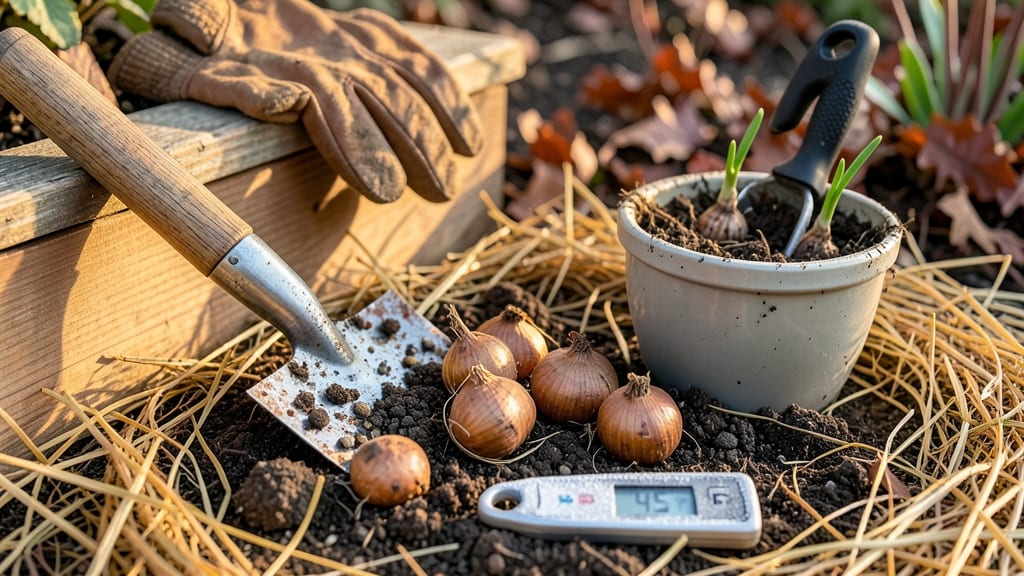
Planting tulip bulbs at the right time in Michigan can mean the difference between a showstopping spring display of 🌷 and a missed opportunity. The ideal window—October through early November—gives roots time to establish before winter’s freeze, but Michigan’s variable frost dates make timing tricky.
Most gardeners in zones 5b-6b aim to plant 6-8 weeks before the ground freezes, typically by late October. But if you wait too late, bulbs may rot before winter dormancy kicks in.
The key is balancing soil warmth with frost risk—something I’ll break down by zone to help you avoid common mistakes.
You’ll also discover which tulip varieties thrive best in Michigan’s climate, how to prep your soil for clay-heavy regions, and whether a December planting could still work in milder winters. Let’s dive into the exact steps to ensure your bulbs bloom beautifully next spring.
Whether you’re a first-time planter or a seasoned gardener, these insights will help you maximize your tulips’ potential—no guesswork required. Ready to get started?
Michigan tulip planting deadlines by hardiness Zone (USDA 4-6)
Michigan’s USDA hardiness zones 4-6 create a tricky balance for tulip planting—too early, and bulbs may sprout before winter; too late, and they won’t establish roots before the ground freezes.
The ideal window is 6-8 weeks before your first hard frost, but Michigan’s variable frost dates (mid-October to mid-November) demand flexibility. Let’s break down the exact deadlines for each zone and how to adjust for early or late freezes.
In Zone 4 (northern Michigan), where winters are harshest, you have the tightest timeline—plant between September 20th and October 15th. Zones 5 and 6 (southern Michigan) offer a slightly longer window, but don’t wait past November 1st, or bulbs risk rotting before winter dormancy.
Early-blooming varieties like ‘Darwin Hybrid’ tulips need extra care, as they’re more sensitive to late planting.
🌷
| USDA Zone | First Frost Date | Ideal Planting Window | Late Cutoff (Risky) | Early-Bloom Tip |
|---|---|---|---|---|
| Zone 4 | Mid-October | September 20 - October 15 | October 20 (high risk) | Use ‘Fosteriana’ (earlier bloomer) |
| Zone 5 | Late October | September 25 - October 31 | November 5 (moderate risk) | Layer bulbs for staggered blooms |
| Zone 6 | Early November | October 1 - November 1 | November 10 (low risk) | Add 3" mulch after planting |
If you’re in Zone 4 and face an early frost before October 15th, don’t panic—plant ‘Tardif’ tulips (late bloomers) or species tulips like Tulipa tarda, which handle colder soils better.
For Zone 6 gardeners, a late November planting is possible if you use well-drained soil and protect bulbs with a thick layer of straw mulch (4-6 inches).
Pro tip: Check Michigan State University’s frost date maps (updated annually) for your exact location. For example, Traverse City (Zone 5) often sees its first frost by October 20th, while Detroit (Zone 6) may wait until November 5th. Adjust your schedule accordingly—this flexibility is key to Michigan success.
For early-blooming varieties, like ‘White Dream’ or ‘Red Emperor’, plant bulbs 4-6 weeks earlier than your zone’s ideal window. These tulips need extra time to establish roots before Michigan’s harsh winters set in.
Conversely, late-blooming ‘Parrot’ tulips can tolerate slightly later planting (up to November 1st in Zone 6).
🌿
One common mistake Michigan gardeners make is waiting for perfect soil conditions before planting. Tulip bulbs thrive in cool, moist soil, not warm, dry ground. If your soil is still workable (not rock-hard or muddy), it’s time to plant.
Use a bulb planter or trowel to dig holes 6-8 inches deep and 4-6 inches apart, then cover with soil and water thoroughly. This pre-winter watering encourages root growth before the ground freezes.
If you’re unsure about your frost dates, use this simple rule of thumb: Plant tulip bulbs when your daytime highs average 50°F (10°C) and nights dip below 40°F (4°C). This usually aligns with late September to early October in Michigan.
For extra insurance, plant a test bulb a week early—if it sprouts before frost, delay your main planting by 1-2 weeks.
Finally, remember that Michigan’s clay-heavy soils can cause bulbs to rot if drainage is poor. Amend your soil with compost or sand to improve drainage, especially in low-lying areas where water pools. A 5-minute soil test before planting can save you from future disappointments.
✂️
Best tulip varieties for Michigan’s short growing season & soil conditions
Michigan’s short growing season and clay-heavy soils demand tulip varieties that thrive under these conditions. The right choices ensure vibrant blooms despite our unpredictable winters. I’ve selected cold-hardy and early-to-late blooming varieties that perform best in USDA zones 4-6, where Michigan falls.
For early spring color, prioritize ‘Darwin Hybrid’ tulips—they bloom reliably in Michigan’s cooler climate. These varieties also resist wind damage and rot, critical for our wet springs. Meanwhile, ‘Fosteriana’ tulips excel in late-season displays, often lasting until May when other varieties fade.
Soil prep is equally vital. Michigan’s clay soils drain poorly, so amend with compost or sand to improve aeration. Aim for 6-8 inches deep planting with 4-6 inches spacing—this prevents bulb rot while allowing room for growth. A mulch layer of straw or leaves protects bulbs through winter’s freeze-thaw cycles.
🌷 Top Tulip Varieties for Michigan
- 🌱 ‘Darwin Hybrid’ – Blooms early (April-May), wind-resistant, 6-24” tall
- 🌿 ‘Fosteriana’ – Late-season (May-June), cold-hardy, 18-24” tall
- 🌸 ‘Tulipa tarda’ – Species tulip, blooms June-July, drought-tolerant
- ☀️ ‘Parrot Tulips’ – Unique ruffled petals, late bloomers, 6-20” tall
- ❄️ ‘Kaufmanniana’ – Early bloomer (March-April), small but vibrant, 8-12” tall
All varieties thrive in Michigan’s full sun and well-drained soil.
Layering bulbs is a game-changer for Michigan gardens. Plant early bloomers (like ‘Kaufmanniana’) deeper and late bloomers (like ‘Fosteriana’) shallower. This creates a staggered bloom from March through June, extending your garden’s season.
Just ensure all bulbs receive 6+ hours of sunlight daily—Michigan’s short days can limit growth if light is insufficient.
For clay-heavy soils, mix in organic matter like leaf mold or composted manure before planting. This improves drainage while retaining moisture—a critical balance for tulips. Avoid heavy fertilizers; tulips prefer low-nitrogen soil to prevent leafy growth at the expense of blooms.
A light spring feed with 5-10-10 fertilizer keeps them thriving without overstimulating foliage.
Michigan’s winter chill actually benefits tulips—it strengthens bulbs for next year’s blooms. However, avoid planting after mid-November; bulbs need time to establish roots before the ground freezes. If you miss the window, store bulbs in a cool, dry place (like a garage) and replant next fall.
With the right varieties and soil prep, your Michigan garden can burst into color year after year, despite our challenging climate.