
Plants
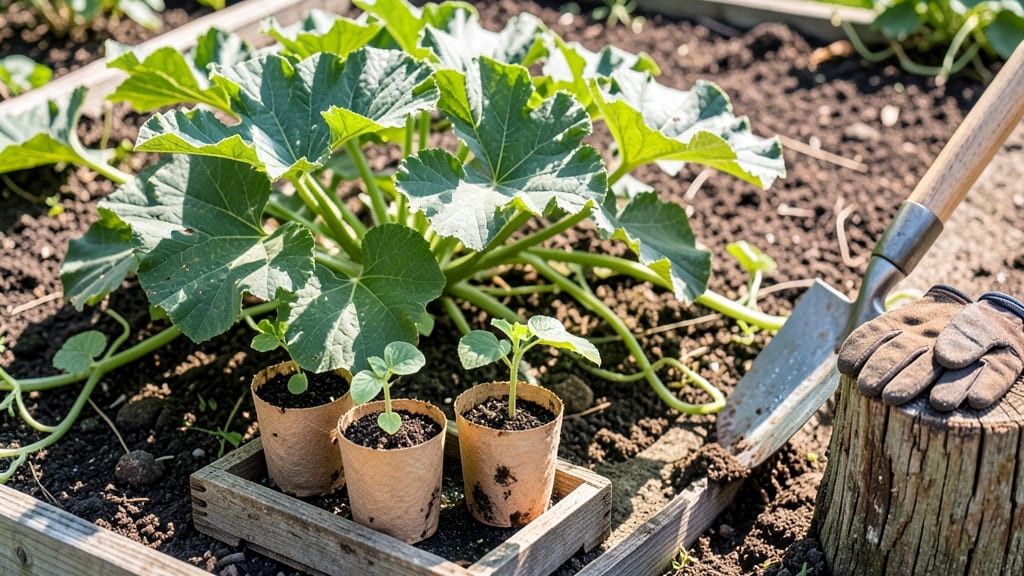
Planting pumpkins in Michigan isn’t just about tossing seeds into the dirt—it’s about catching the perfect frost-free window between mid-April and early June to avoid those heartbreaking early-freeze losses.
With USDA Zones 5b-6b offering just 150 days of growing season, timing your 🎃 seeds right means the difference between a bumper crop and a sad, wilted vine.
Most Michigan gardeners make the mistake of waiting too long, only to watch their pumpkins struggle to mature before the first frost hits in mid-October.
But here’s the secret: start seeds indoors by March for a head start, or direct-sow outdoors as soon as soil temperatures hit 60°F—usually around late April in most regions. The key? Know your last frost date, whether you’re in Detroit, Grand Rapids, or Traverse City.
In this guide, I’ll break down the exact planting schedule for your zone, including when to transplant seedlings and how to adjust for early or late harvests.
You’ll also learn how to spot the signs of readiness—because nothing beats pulling a perfectly ripened pumpkin from the vine just in time for Halloween or Thanksgiving.
Ready to grow pumpkins that thrive? Let’s dive into the frost-free timeline that’ll turn your Michigan garden into a 🎃 paradise.
Michigan pumpkin planting calendar: exact dates by USDA Zone 5-6
Michigan’s USDA Zones 5-6 offer a short but productive growing season for pumpkins, but timing is critical. The last frost dates vary dramatically across cities like Detroit (Zone 6a), Grand Rapids (Zone 5b), and Traverse City (Zone 6a), creating a 2-3 week planting window difference.
For example, Detroit’s last frost typically arrives by April 20, while Traverse City may wait until May 1. Understanding these variations ensures your pumpkin vines mature before the first frost in October.
Pumpkins thrive with 90-120 frost-free days, so planning starts with your local last frost date. In northern Michigan (Zone 5b), aim for early May planting after soil reaches 60°F.
Southern Michigan (Zone 6a) gardeners can start mid-April for early varieties. Indoor seed starting in late March gives you a head start, but transplant seedlings only after the last frost—cold soil stunts growth.
Here’s your Michigan pumpkin planting timeline by region, including direct sowing and transplanting windows for both edible and ornamental varieties like Jack Be Little or Cinderella:
| Region | Last Frost Date | Direct Sow Outdoors | Indoor Start (Transplant) | Harvest Window |
|---|---|---|---|---|
| Detroit (Zone 6a) | April 20 | April 25–May 10 | March 15–April 1 (transplant after April 20) | Late Sept–Oct 15 |
| Grand Rapids (Zone 5b) | May 1 | May 10–May 25 | March 20–April 15 (transplant after May 1) | Late Sept–Oct 10 |
| Traverse City (Zone 6a) | May 1 | May 10–May 20 | March 25–April 10 (transplant after May 1) | Late Sept–Oct 10 |
| Northern MI (Zone 5b) | May 5 | May 20–June 1 | April 1–April 15 (transplant after May 5) | Sept 20–Oct 5 |
*Transplant seedlings only when soil is 60°F+ and night temps stay above 50°F.
For early harvests (like Halloween pumpkins), choose fast-maturing varieties such as Jack Be Little (75 days) or Small Sugar (80 days).
Start these indoors by March 15 and transplant after your last frost date. Standard varieties like Howden or Cinderella (90–100 days) need a later start—direct sow after May 10 for a Thanksgiving harvest.
Soil temperature is just as critical as air temperature. Pumpkin seeds won’t germinate until soil reaches 60°F. Use a soil thermometer to confirm—cold soil delays sprouting by weeks. In cooler zones (Zone 5b), opt for black plastic mulch to warm the soil faster.
This trick can shave 7–10 days off your growing season, giving vines extra time to mature.
Spacing is another Michigan-specific challenge. Pumpkin vines spread 10–30 feet, so allocate 50–100 square feet per plant. In small gardens, use trellises or cages for dwarf varieties like Baby Boo (45 days), which stay under 3 feet tall.
This saves space while ensuring your pumpkins get the full sun they crave—6–8 hours daily is non-negotiable.
Watch for early signs of frost in September. Pumpkins need 4–6 weeks to harden their rinds after flowering. If frost threatens before harvest, use row covers or move pumpkins to a garage or shed to cure. Hard rinds
How to adjust planting for early vs. late Michigan harvests
Michigan’s short growing season demands flexibility—whether you’re aiming for Halloween jack-o’-lanterns or Thanksgiving pie pumpkins, timing is everything. Early harvests require fast-maturing varieties and protective measures, while late harvests need cold-hardy types and extended season tools.
The key is matching your pumpkin variety to your harvest goal and using season-extending strategies to beat frost.
For Halloween harvests (late September), choose small-fruited varieties like 'Jack Be Little' (75 days) or 'Sugar Pie' (80 days). These mature quickly but need a head start—begin seeds indoors by March 15 or direct sow after last frost (mid-April).
For Thanksgiving harvests (mid-October), opt for larger varieties like 'Howden' (100 days) or 'Cinderella' (90 days), which need a longer season and warmer soil.
Here’s how to balance early vs. late planting strategies:
Early Harvest (Halloween) Strategies
- Faster-maturing varieties
- Smaller vines = easier management
- Earlier frost protection
- Limited fruit size
- Requires earlier planting
- More vulnerable to early blights
Late Harvest (Thanksgiving) Strategies
- Larger, more abundant fruit
- Longer vine = more production
- Better for storage
- Longer growing season needed
- More susceptible to frost
- Requires row covers or greenhouses
To protect late plantings, use floating row covers or low tunnels after transplanting. These raise soil temps by 5-10°F and shield plants from light frosts. For early plantings, prioritize disease-resistant varieties like 'Autumn Gold' and plant in raised beds for better drainage—critical when vines sprawl 10-30 feet.
Succession planting works too! Sow a second batch of fast-maturing seeds (like 'Baby Boo') in early June for a late-September harvest, even if your first batch is already fruiting.
Space them 3 feet apart in a separate bed to avoid competition. Just watch for cucumber beetles—they love young pumpkin seedlings!
Remember: Soil temperature matters more than air temp. Use a soil thermometer—pumpkin seeds need 60-65°F soil to germinate. If your ground is cooler, wait or use heat mats for containers. For late plantings, warm the soil with black plastic 2 weeks before sowing to jumpstart growth.
With these adjustments, you can reliably grow pumpkins for both Halloween and Thanksgiving, even in Michigan’s unpredictable climate. Start with the right variety, protect your plants, and don’t rush—patience pays off with bigger, healthier pumpkins! 🎃