
Plants
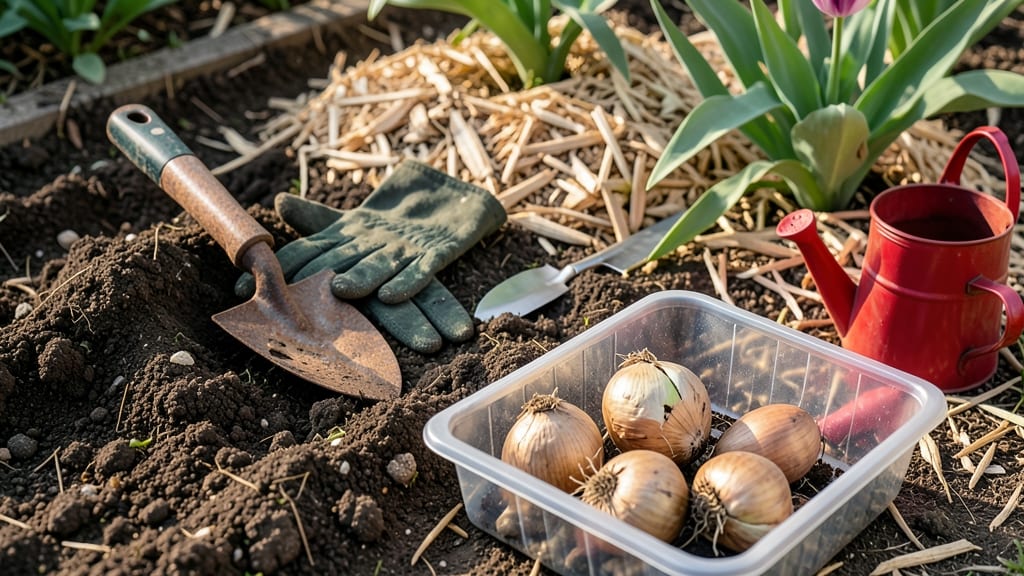
Planting tulip bulbs in Australia isn’t as straightforward as it is in frost-prone regions, but timing them right in autumn could mean the difference between stunning spring blooms and a disappointing flop.
Unlike traditional gardens, Australian climates lack the natural chilling period tulips need, so understanding when and how to plant them is the key to success.
If you’ve ever wondered why your tulips fail to thrive in Australia’s mild winters, the answer lies in their planting schedule. The ideal window is late autumn—typically between May and July—when soil temperatures drop just enough to mimic dormancy without freezing.
This timing ensures your tulips get the rest they need before bursting into color.
In cooler regions like Victoria or Tasmania, you can plant as early as May, while milder coastal areas may need to wait until June or July. The goal? Give your tulips a head start in the ground before the first hints of spring.
With the right approach, you’ll be rewarded with vibrant 🌷 blooms that outshine even the most challenging Australian climate.
Ready to transform your garden? I’ll walk you through the exact steps—from soil prep to placement—to guarantee your tulips not only survive but flourish. Let’s get those bulbs in the ground the right way!
Ideal autumn planting months for tulip bulbs in Australia’s climate zones
Australia’s diverse climate zones mean tulip bulb planting timing varies dramatically—from cooler southern regions like Victoria and Tasmania to warmer coastal areas like Sydney and Brisbane.
Unlike traditional frost-dependent climates, Australian gardeners must time plantings to align with soil temperature thresholds and seasonal rainfall patterns to ensure robust bulb development and stunning spring blooms.
In most of Australia, late autumn (May to early June) is the sweet spot for planting tulip bulbs, as soil temperatures drop to 10–15°C (50–59°F), mimicking the natural dormancy period bulbs need.
However, coastal regions with milder winters may extend this window into July, while inland areas like Canberra or Adelaide might need to plant slightly earlier in April to May to avoid summer heat stress.
The key challenge in Australia is the lack of frost, which tulips traditionally rely on for dormancy. Without freezing temperatures, bulbs can sprout prematurely or fail to develop properly.
To compensate, gardeners in non-frosty zones often use chilling techniques like refrigerating bulbs for 6–8 weeks before planting or selecting frost-tolerant varieties like Darwin Hybrid tulips.
| Climate Zone | Ideal Planting Months | Soil Temp Threshold | Key Considerations |
|---|---|---|---|
| Southern Australia (Vic, Tas, SA) | Late April – Early June | 10–15°C (50–59°F) | Cooler nights; minimal chilling needed |
| Coastal NSW (Sydney, Newcastle) | May – Early July | 12–16°C (54–61°F) | Milder winters; plant deeper for protection |
| Inland NSW/ACT (Canberra) | April – Mid-May | 8–12°C (46–54°F) | Dry conditions; water deeply after planting |
| Tropical Queensland (Brisbane) | June – July | 15–20°C (59–68°F) | Requires chilling; use refrigeration or shade |
| Western Australia (Perth) | May – June | 10–14°C (50–57°F) | Mediterranean climate; plant early to avoid summer heat |
For gardeners in warmer coastal zones, like Brisbane or Adelaide, late autumn planting (June–July) is critical to prevent bulbs from sprouting too early. If you plant in April or early May in these areas, the bulbs may shoot prematurely during mild winters, leading to weak stems and fewer blooms.
To mitigate this, pre-chill bulbs for 6–8 weeks in a refrigerator before planting, or choose heat-tolerant varieties like Parrot tulips.
In cooler inland regions, such as the Riverina or Canberra, the window narrows to April–May to avoid summer dormancy stress. These areas benefit from dry, well-draining soils, so amending the soil with sand or grit and mulching with gravel or straw can improve bulb survival.
Always plant bulbs at a depth of 6–8 inches to protect them from temperature fluctuations.
Adjusting for early vs late autumn planting depends on your local microclimate. In early autumn (March–April), soil is still warm, and bulbs may sprout too soon. Wait until soil temperatures drop below 15°C (59°F) before planting.
Conversely, late autumn (July–August) plantings risk insufficient root development before winter rains arrive, so aim to finish by mid-June in most regions.
One pro tip for Australian gardeners is to plant tulip bulbs in containers if your climate is unpredictable. This allows you to move pots to shaded or sheltered spots during extreme heat or cold snaps.
Use a lightweight potting mix with perlite or vermiculite to ensure drainage, and water moderately until the first signs of growth appear in spring.
Finally, remember that tulips in Australia often need extra care compared to traditional frost-dependent climates. While they may not require freezing temperatures, they do need consistent
How to prepare tulip bulbs for Australian soil and weather conditions
Australia’s mild winters mean tulip bulbs won’t get the natural frost they need to bloom, but with the right preparation, you can still grow stunning spring flowers. The key is mimicking dormancy conditions through soil prep and protective planting techniques.
Start by choosing a well-draining location with 6+ hours of sunlight daily—tulips thrive in full sun but can tolerate partial shade in hotter regions.
Unlike northern climates, Australian gardeners must pre-chill bulbs or use soil amendments to trigger blooming. Without frost, bulbs stay dormant longer, so proper soil temperature and moisture are critical.
I’ve found that adding organic matter like compost improves drainage while retaining moisture, which is essential for bulb health during Australia’s variable autumn rains.
Here’s my step-by-step guide to preparing tulip bulbs for Australia’s unique conditions, ensuring they bloom beautifully despite the lack of frost:
- 1 Test and amend soil: Aim for pH 6.0-7.0. Mix in compost or well-rotted manure to improve drainage and fertility. Australian soils often compact easily, so add coarse sand or perlite if your soil feels heavy.
- 2 Pre-chill bulbs: Since Australia lacks frost, place bulbs in a paper bag with moist peat moss and refrigerate for 8-12 weeks before planting. This mimics winter dormancy. Store them in the crispier drawer of your fridge for consistent temps (~4°C/39°F).
- 3 Plant at the right depth: Dig holes 6-8 inches deep (twice the bulb’s height) and space them 4-6 inches apart. In sandy soils, plant slightly deeper to retain moisture; in clay, add extra organic matter to prevent waterlogging.
- 4 Use mulch for insulation: Apply a 2-3 inch layer of straw or wood chips after planting. This protects bulbs from temperature fluctuations and retains moisture during Australia’s dry autumns. Avoid thick mulch in wet climates to prevent rot.
- 5 Water deeply but infrequently: After planting, give bulbs a deep soak to settle the soil, then water weekly (or bi-weekly in rainy regions). Overwatering causes bulb rot, so aim for moderate moisture—never soggy soil.
- 6 Fertilize lightly in spring: Once shoots emerge, apply a low-nitrogen fertilizer (e.g., 5-10-10) to encourage blooming. Avoid high-nitrogen feeds, which promote leafy growth at the expense of flowers—a common mistake in Australian gardens.
For cooler regions like Tasmania or Victoria, you can plant bulbs as early as late April, but in warmer coastal areas, wait until June-July to avoid premature sprouting.
I’ve had success planting in container gardens for balconies—just use a well-draining potting mix and move pots to a sheltered spot during heatwaves.
One tip I swear by? Plant tulips near spring-flowering perennials like daffodils or irises to extend your bloom time. The irises act as natural mulch and deter pests, while the daffodils repel squirrels that might dig up your tulip bulbs.
This companion planting trick has kept my garden vibrant for years!
With these steps, your tulip bulbs will thrive in Australia’s climate, producing vibrant blooms even without frost. Just remember: patience is key—tulips need time to establish roots before they’ll reward you with those iconic spring colors. Happy planting! 🌷