
Plants
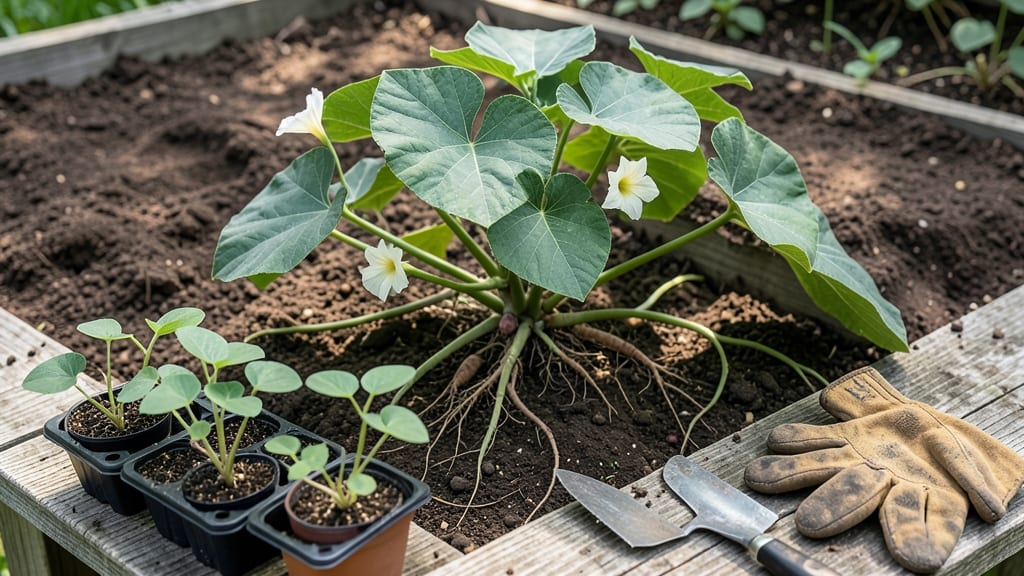
If you’ve ever wondered why your 🍠 sweet potatoes in Louisiana struggle to thrive, the answer might be as simple as planting them at the wrong time.
Unlike cooler climates, Louisiana’s 8a-9b zones demand precision—plant too early, and frost could still sneak in; too late, and you’ll miss the sweet spot for harvest before winter sets in.
Here’s the game-changer: Louisiana gardeners have two prime windows to plant—spring (March-June) or summer (July-August)—but the key is soil temperature. Your slips need 60°F+ soil to take root, and waiting until after the last frost (usually mid-February) ensures no surprises.
I’ll break down exactly when to start, whether you’re using slips or seeds, and how to adjust for regional quirks like New Orleans’ humidity or Shreveport’s heat spikes.
Timing isn’t just about dates—it’s about aligning your harvest with Louisiana’s October-December window when tubers reach peak sweetness. We’ll cover how to stretch your season with succession planting, so you’re not left scrambling when the first chill hits.
Ready to turn your garden into a sweet potato powerhouse? Let’s dive into the data that’ll make your next harvest the best yet.
From heat zone charts to avoiding common pitfalls (like planting in cold soil), this guide gives you the localized insights you need to skip the guesswork. Whether you’re a first-time grower or a seasoned gardener, these tips will help you maximize yields—no matter where you are in the state.
Louisiana heat Zone planting chart: exact dates by region
Louisiana’s USDA Zones 9a-10a create a 240-day frost-free window, but sweet potatoes need soil temps above 60°F to thrive. Planting too early risks frost damage, while late starts limit harvest yields.
Below are region-specific windows for Louisiana’s three key microclimates: North (Shreveport), Central (Baton Rouge), and South (New Orleans).
Most Louisiana gardeners plant slips (young plants) rather than seeds, as they mature 30-40 days faster. The ‘Beauregard’ variety dominates local farms due to its 110-120 day maturity, while ‘Georgia Jet’ (90-100 days) suits shorter-season areas.
Both prefer well-draining, sandy loam—common in Louisiana’s Mississippi River floodplain soils.
🌱
| Region | USDA Zone | Last Frost Date | Ideal Planting Window | Soil Temp Threshold | ‘Beauregard’ Harvest | ‘Georgia Jet’ Harvest |
|---|---|---|---|---|---|---|
| North (Shreveport) | 9a | March 15 | April 15 - May 10 | 60°F+ (consistent) | October 15 - November 5 | September 20 - October 10 |
| Central (Baton Rouge) | 9a | March 1 | March 20 - April 30 | 60°F+ (consistent) | October 1 - November 15 | September 1 - October 1 |
| South (New Orleans) | 10a | February 15 | March 1 - April 15 | 60°F+ (earlier possible) | September 20 - November 1 | August 20 - September 15 |
| Summer Succession | All Zones | N/A | June 15 - July 15 | 60°F+ (heat-tolerant) | November 1 - December 15 | October 1 - November 1 |
For Zone 9a areas like Shreveport, wait until April 15 to plant—earlier starts risk soil temps below 60°F, stunting root growth. Use a soil thermometer to confirm readiness; Louisiana’s sandy soils warm faster than clay-heavy areas near Lafayette. Mulch with straw to maintain 60-70°F soil temps during summer plantings.
In Zone 10a (New Orleans), you can plant as early as March 1, but avoid hurricane season overlaps (June-August). Choose ‘Georgia Jet’ for faster harvests if storms threaten. Raise beds 6 inches in waterlogged areas near Lake Pontchartrain to prevent tuber rot from excess moisture.
🌿
Both varieties need 120-150 frost-free days to mature. ‘Beauregard’ stores better for 3-4 months post-harvest, while ‘Georgia Jet’ is ideal for immediate cooking. Test soil pH (5.8-6.5)—Louisiana’s acidic soils often need lime amendments. Space slips 12-18 inches apart in rows 3 feet apart for optimal vine spread.
🪴
Pro tip: Plant slips in late afternoon to reduce transplant shock from Louisiana’s intense afternoon sun. Water deeply every 2-3 days until vines establish, then increase to 1 inch weekly during tuber formation. Drip irrigation prevents foliar diseases common in Louisiana’s humid summers.
💧
For extended harvests, try succession planting in June-July. Use black plastic mulch to warm soil 5-10°F faster, letting you plant 2-3 weeks earlier in spring. Monitor
Sweet potato planting mistakes in Louisiana (and how to avoid them)
Louisiana’s humid climate and warm soils make it perfect for growing sweet potatoes, but common mistakes can turn your harvest into a disappointment. One of the biggest errors is planting slips (young plants) too early when soil temperatures are still below 60°F.
Cold soil slows root development, leading to stunted tubers and poor yields.
Another frequent mistake is ignoring humidity spikes during summer months. While sweet potatoes love moisture, excessive humidity can foster fungal diseases like black rot or leaf spot. Balancing water and airflow is key to keeping your plants healthy through Louisiana’s steamy afternoons.
Transplant shock is another silent killer. Many gardeners rush to move slips too soon after purchasing them, causing stress that stalls growth. Always let slips acclimate for 3-5 days in partial shade before transplanting them into your garden beds.
🚨 CRITICAL WARNING: POST-HURRICANE REPLANTING RISKS
After a hurricane, don’t replant sweet potatoes immediately. Soils are often waterlogged and compacted, which can lead to root rot and poor tuber formation. Wait until soil temperatures rebound to 65°F+ and test for nematode contamination—common in flooded areas.
If replanting is unavoidable, amend soil with sand and compost to improve drainage. Consider using raised beds in nematode-prone areas to give roots a fighting chance.
Overlooking nematode-prone areas is a costly mistake in Louisiana. These microscopic pests thrive in warm, moist soils and can devastate sweet potato crops. Rotate crops annually or plant marigolds as a natural deterrent before sweet potatoes. Solarizing soil in late summer can also reduce nematode populations.
Finally, many gardeners forget that hurricane prep starts with your sweet potatoes. If a storm is forecasted, harvest mature tubers early or use row covers to protect young plants. Never leave slips exposed to high winds, as they’ll dry out quickly in Louisiana’s intense sun.
By avoiding these common mistakes—planting in cold soil, ignoring humidity, rushing transplants, and neglecting pest prevention—you’ll set your sweet potatoes up for a bountiful harvest. Louisiana’s climate rewards prepared gardeners with sweet, plump tubers when you follow these pro tips. 🍠