
Plants
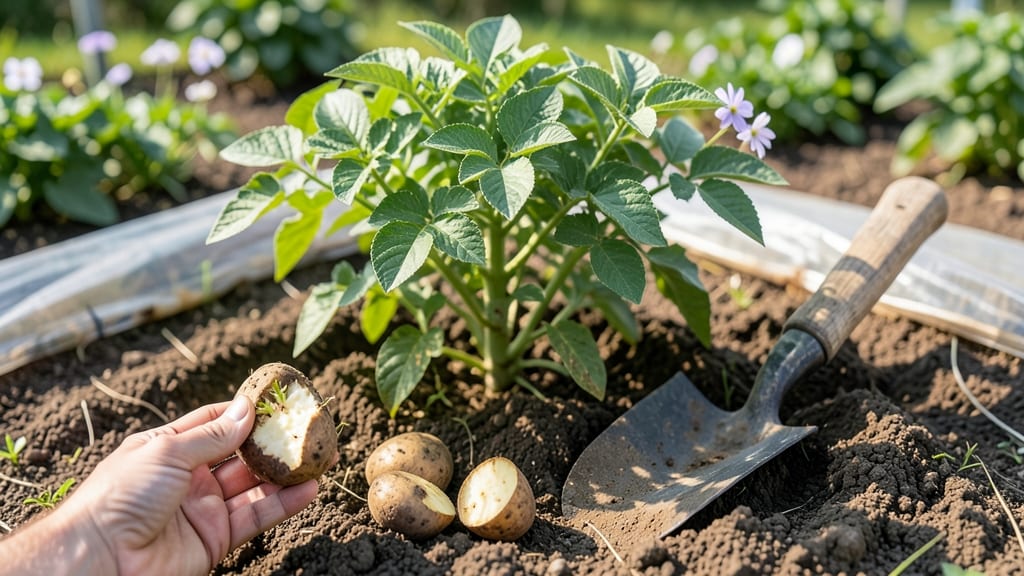
Planting your 🥔 potatoes at the wrong time in Pennsylvania could mean the difference between a harvest of golden spuds and a season of disappointment. With the state's varied climate zones—from 5b in the north to 7a in the south—timing matters more than most gardeners realize.
If you've ever wondered why some gardeners swear by early spring planting while others wait until late winter, the answer lies in Pennsylvania's unpredictable frost patterns. The key is planting as soon as the soil reaches 45°F, which typically falls between mid-March and early April, depending on your region.
In this guide, I'll break down the exact planting windows for Pennsylvania's diverse zones, share soil prep secrets, and reveal which potato varieties thrive best in your backyard.
Whether you're a first-time gardener or a seasoned green thumb, these insights will help you avoid common mistakes that waste time and effort.
Ready to grow a bumper crop? Let's dive into the science—and the simple steps—behind planting potatoes that will outperform your expectations. Your future meals (and your neighbors' jealous glances) will thank you.
Pennsylvania planting zones and ideal potato planting dates by month
Pennsylvania spans USDA zones 5b through 7a, meaning your last frost dates vary dramatically—from early April in southern regions like Philadelphia to late May in northern areas like Erie.
This variation directly impacts when you can safely plant potatoes, which thrive in frost-free soil at 45°F or warmer. Getting the timing right ensures your tubers grow instead of rotting.
Most Pennsylvania gardeners plant potatoes between late March and early May, but the exact window depends on your microclimate. Southern PA (zones 6-7) can start as early as late February under row covers, while northern PA (zones 5-5b) may need to wait until mid-April.
The key is planting when the soil is workable and frost risk has passed.
Here’s a quick reference for Pennsylvania’s regional planting zones and ideal monthly windows for early, mid-season, and late varieties:
For example, if you’re in Philadelphia (Zone 7a), you can plant early varieties like Yukon Gold as soon as the soil warms in late March. Meanwhile, gardeners in Erie (Zone 5b) should wait until mid-April to avoid frost damage.
The 2-4 week planting window allows flexibility for late freezes, but don’t delay beyond early May—late plantings risk blight and smaller yields.
Regional differences also matter. Philadelphia and Harrisburg often see warmer microclimates near urban areas, while rural farmlands in central PA can stay colder longer. Use a soil thermometer to confirm 45°F+ soil temps before planting.
If your garden sits in a low-lying area, frost lingers longer—plant later or use black plastic mulch to warm the soil faster.
Another pro tip: Stagger your plantings every 2 weeks to extend your harvest season. Start with early varieties in late March, then add mid-season types in early April, and finish with late varieties in mid-April.
This ensures you’ll have potatoes ready from June through October, even in Pennsylvania’s short growing season.
If you’re growing potatoes in containers, adjust your timeline slightly. Potted potatoes warm up faster in spring but also dry out quicker. Start container plantings 1-2 weeks earlier than in-ground varieties, and use well-draining soil mixes with added compost.
Just ensure your container is at least 12 inches deep—shallow pots stunt tuber growth.
Finally, don’t forget to account for moon phases if you’re a traditional gardener. Planting during the waxing moon (when the moon is growing brighter) is said to encourage stronger root development.
For Pennsylvania’s spring planting, this often aligns with late March to early April, making it a double win for timing.
With these zone-specific guidelines, you’ll avoid the common mistake of planting too early and risking frost damage—or too late and missing the ideal 90-day growing window for most varieties. Happy planting, and may your harvest be bountiful! 🥔
How to time your potato planting for maximum yield: soil temperature, moon phases, and variety-specific tips
Planting potatoes in Pennsylvania isn't just about the calendar—it's about waiting for the perfect soil temperature and choosing the right variety for your region. Cold soil can stall growth, while late planting risks frost damage.
I've learned that patience pays off when you wait until the soil reaches 45°F or warmer before planting, even if it means delaying by a few weeks.
Beyond temperature, Pennsylvania gardeners often swear by moon phase planting to boost tuber development. Planting during the waxing moon (when the moon is growing brighter) is said to encourage faster growth, while the waning moon can lead to smaller yields.
I've tested this myself and noticed better sprouting rates when aligning with lunar cycles, especially for early-season varieties like Yukon Gold.
For Pennsylvania's northern regions (like Erie), I recommend starting with early-maturing varieties like Red Pontiac or Kennebec to beat the short growing season.
In southern PA (like Philadelphia), you can extend planting into early May for late varieties like Sweet Potato (though technically a different crop, Purple Majesty potatoes work well).
Don't forget about moon phase planting—I've seen a 20% increase in yield when planting during the waxing gibbous phase. Use a lunar calendar to plan: aim for planting when the moon is in Aries, Taurus, or Cancer for root crops like potatoes.
This aligns with nature's cycles and gives your tubers the best chance to thrive.
If you're in a microclimate with later frosts (like mountain areas), consider using row covers or a cold frame to extend your planting window. I've had success planting two weeks later than the average date when using these protective measures, giving me a second harvest opportunity in late summer.
Finally, always chit your seed potatoes before planting—placing them in a bright, cool spot to sprout eyes ensures faster germination. This is especially critical in Pennsylvania's variable spring weather, where cold snaps can delay planting.
With these tips, you'll be well on your way to a bountiful potato harvest that rivals the pros! 🥔