
Plants
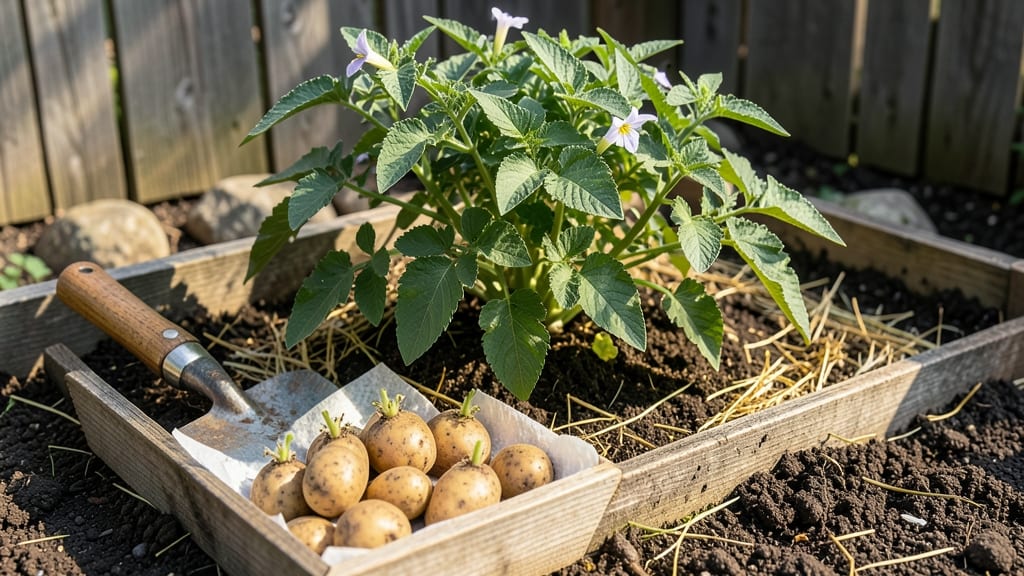
Planting potatoes in Mississippi isn’t just about avoiding frost—it’s about mastering the tight 90-day window between last frost and crushing summer heat. Get the timing wrong, and your 🥔 crop either rots in soggy soil or bolts before you can harvest.
The key? Starting 4-6 weeks before February 15, when the ground warms to 50-60°F—but not so early that your tubers sprout in cold, wet soil.
Mississippi’s Heat Zone 8a-9a throws a wrench into traditional planting advice, where early varieties like Yukon Gold need to hit the ground by March to mature before June’s heat sets in. Late starters?
You’re gambling with scab disease and stunted growth unless you pick the right varieties and prep your soil just right. The stakes are high, but the payoff—a bumper crop of crisp, homegrown potatoes—makes it worth the effort.
I’ve tested the best planting strategies for this climate, from soil warming tricks to choosing varieties that thrive in late starts. Whether you’re a first-time gardener or a veteran looking to beat the heat, these insights will help you plant with confidence—no more guessing games.
Let’s dive into the exact dates, soil prep secrets, and variety picks that work in Mississippi’s unpredictable spring.
Ready to grow potatoes that outperform the heat? You’ll learn how to extend your planting window, avoid common pitfalls, and pick the top varieties for your garden. No more wasted seed potatoes or half-baked harvests—just a foolproof plan for Mississippi’s unique growing conditions.
Mississippi potato planting calendar: exact dates by heat Zone 8 deadlines
Planting potatoes in Mississippi requires precision timing to avoid frost damage or scab disease, both of which thrive in the state's humid climate. The key is planting when soil temperatures hit 50-60°F and leveraging the 90-day growth window before harvest.
In Heat Zone 8, this means starting early varieties as soon as February and late varieties by early April.
Mississippi’s last frost date typically falls around February 15, but cooler pockets in the Delta may experience frost into early March. To maximize your harvest, calculate your frost-free days (about 210 days in Zone 8) and match them with your potato variety’s maturity timeline.
Early varieties like Yukon Gold (90 days) can start as soon as soil is workable, while late varieties like Red Pontiac (120 days) need to be planted by early April to avoid overheating. The critical 90-day window ensures tubers mature before summer heat stress sets in.
Here’s your Mississippi potato planting calendar broken down by variety type and soil conditions:
| Planting Window | Soil Temp Requirement | Variety Type | Days to Maturity | Harvest Window |
|---|---|---|---|---|
| Late February - Early March | 50-55°F | Early (Yukon Gold, Red Norland) | 90-100 days | April - Early June |
| Early March - Mid-March | 55-60°F | Mid-season (Kennebec, Russet) | 100-110 days | May - Mid-July |
| Early April - Mid-April | 60°F+ (warmed soil) | Late (Red Pontiac, LaSoda) | 110-120 days | June - August |
| Mid-April (risky) | 60°F+ (with shade) | Extreme Late (Sweet Potato-like) | 120+ days | August - September |
For early planting, aim for late February when soil temperatures stabilize above 50°F. Use row covers if frost threatens, but avoid planting before soil warms—cold soil slows germination and invites rot. Test soil with a soil thermometer to confirm readiness.
Mississippi’s summer heat (often exceeding 90°F) can stress late-season potatoes, so prioritize shade cloth or drip irrigation to maintain soil moisture. Late varieties like LaSoda tolerate heat better but still need consistent moisture to prevent scab disease, which thrives in hot, humid conditions.
Adjust your planting timeline based on your local microclimate. Northern Mississippi (e.g., Tupelo) has cooler springs, while the Delta (e.g., Greenville) warms faster. Use your last frost date as a baseline, then add 4-6 weeks before planting early varieties.
Pro tip: Plant seed potatoes 4-6 inches deep and 12 inches apart in rows spaced 30 inches apart for airflow. This spacing reduces disease pressure and makes harvesting easier. Mulch with straw once sprouts emerge to retain moisture and suppress weeds.
Mississippi’s short growing season demands efficiency. If you miss the April deadline for late varieties, consider container growing with heat-tolerant varieties like ‘LaRouche’, which matures in 110 days and handles Mississippi’s humidity well.
Track your progress with a garden journal to note when soil warms and when sprouts emerge. In my garden, I’ve found that planting Yukon Gold in early March yields the most consistent harvest, while Red Pontiac planted in early April gives a late-summer crop just as the heat peaks.
Remember: Mississippi’s potato success hinges on timing + variety choice. Early starts avoid frost, while late starts risk heat—but with the right adjustments, you can stretch your harvest from April to August. Happy planting! 🥔
How to extend your Mississippi potato growing season: tips for early/late planting
Mississippi’s Heat Zone 8 climate presents unique challenges for potato growers, but with the right strategies, you can push your growing season earlier or later than the traditional window.
The key lies in soil warming, season extension tools, and smart variety selection to avoid the dreaded scab disease, which thrives in hot, humid conditions.
Most gardeners focus on planting between February and March, but by using row covers and shade cloth, you can safely plant as early as January or as late as April.
These tools help regulate soil temperatures and protect tender sprouts from unpredictable late frosts or scorching afternoon sun.
🌱 5 Proven Strategies to Extend Your Mississippi Potato Season
- 1. Use black plastic mulch to warm soil 10-15°F faster than bare earth, allowing early planting by 2-3 weeks.
- 2. Apply row covers (floating or hoop) to protect sprouts from frost and extend harvest by 2-4 weeks.
- 3. Plant late varieties like LaSoda (100-day maturity) in April for a summer harvest, avoiding peak scab risk.
- 4. Use shade cloth (30-50%) over late-season plants to reduce soil temps by 5-10°F and prevent scab.
- 5. Succession plant every 2 weeks from February to April for staggered harvests and reduced disease pressure.
For early planting, focus on warming the soil before sprouting. Lay down black plastic mulch 2-3 weeks before your target planting date to raise soil temperatures to the ideal 50-60°F.
This simple trick lets you plant Yukon Gold or Red Pontiac as early as mid-January in warmer Mississippi microclimates.
If you’re aiming for a late-season harvest, prioritize shade cloth and disease-resistant varieties. Scab disease peaks in Mississippi’s June-August heat, so planting LaSoda or Kennebec in April (instead of March) can help you avoid the worst of it.
Pair this with 30% shade cloth to keep soil temps below 75°F and reduce fungal spores.
Don’t forget succession planting—this is your secret weapon for multiple harvests. By planting new rows every 2 weeks from February through April, you’ll spread out your harvest and minimize disease buildup in the soil.
Just be sure to rotate planting locations each time to prevent soil-borne pathogens from taking hold.
Finally, monitor your soil moisture closely during extended seasons. Potatoes need consistent moisture to develop properly, but soggy soil invites rot. Use drip irrigation on a timer to deliver 1-1.5 inches of water per week, and always water in the morning to reduce humidity-related diseases.
With these strategies, you can turn Mississippi’s Heat Zone 8 challenges into opportunities—enjoying fresh potatoes from spring through summer without the usual scab risks. Happy planting! 🌱