
Plants
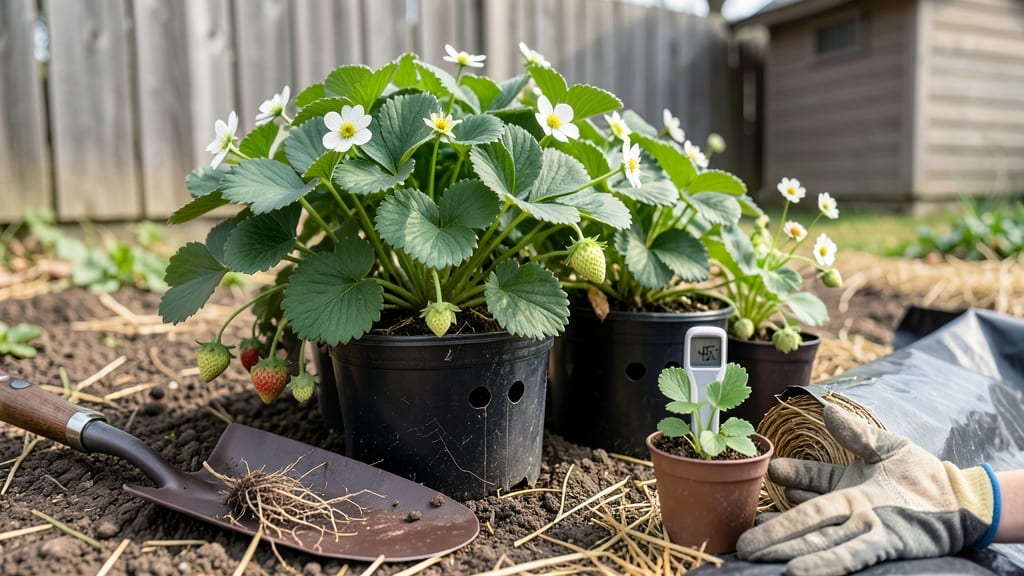
Planting strawberries in Pennsylvania at the wrong time can mean the difference between a bountiful harvest and a frozen disappointment—especially when frost lingers longer than expected.
The ideal window for most gardeners falls between early spring and late summer, but Pennsylvania’s varied microclimates mean your neighbors might be harvesting while your plants still huddle under frost blankets.
Whether you’re growing June-bearing, everbearing, or day-neutral varieties, timing matters more than you might think. A late spring frost can wipe out tender new growth, while planting too late in summer risks stunted roots before winter.
I’ll break down the exact regional planting zones across PA’s USDA 5-7 areas, so you can match your schedule to your local frost patterns—not the calendar.
From the warmer valleys of Southwestern PA to the cooler highlands near the New York border, each area has its own rhythm.
You’ll learn how to stretch your season with cold-hardy varieties, when to mulch for extra protection, and why some gardeners swear by fall planting for a fall harvest surprise. Let’s get those strawberries in the ground the right way—so you can enjoy fresh, homegrown 🍓 all season long.
No more guessing games: I’ll cover the critical soil temperatures, last-frost averages, and even how to use row covers to shave weeks off your planting window.
By the end, you’ll know exactly when to plant in your corner of Pennsylvania—and how to give your berries the best shot at thriving, no matter what Mother Nature throws your way.
Pennsylvania strawberry planting zones: exact timing by region
Pennsylvania’s diverse microclimates mean your strawberry planting window can vary by 3-4 weeks depending on where you live. The Keystone State spans USDA Zones 5-7, with Southwestern PA (like Erie) often frost-free 10 days earlier than Northeastern PA (like Scranton).
To avoid frost damage to your June-bearing varieties, timing is everything.
Your best bet is to plant when soil temperatures hit 40°F (4°C) consistently and last-frost dates have passed. For everbearing or day-neutral varieties, you can also plant in late summer (July-August) for a fall harvest.
But June-bearing strawberries? Get them in the ground 4-6 weeks before your region’s average last frost.
Below is your region-specific planting guide, including hardiness zones, last-frost averages, and soil temperature thresholds. Use this to pinpoint your ideal planting window—whether you’re in Pittsburgh’s Zone 6a or Philadelphia’s Zone 7a.
If you’re planting in late winter (February-March), use row covers or a low tunnel to shield young plants from late frosts. For fall planting (July-August), aim to get plants in the ground 6-
How to extend strawberry season in Pennsylvania: cold-hardy varieties & frost protection
Pennsylvania’s variable frost dates can make strawberry gardening feel like a gamble—but it doesn’t have to be. By choosing the right cold-hardy varieties and using smart frost protection, you can push planting dates 2-4 weeks earlier without risking your crop.
The key is pairing microclimate-ready plants with simple, effective protection methods.
For Pennsylvania gardeners, the secret lies in June-bearing varieties like 'Jewel' and 'Chandler', which thrive in Zone 5-7 conditions. These varieties tolerate light frosts and produce heavy yields even when planted early. Pair them with mulching or row covers, and you’ll extend your harvest window significantly.
-
🌱 Best Cold-Hardy Varieties for PA:
- 'Jewel' – Tolerates 20°F; early June harvest
- 'Chandler' – Disease-resistant; thrives in Zone 5
- 'Albion' – Heavy producer; handles light frosts
-
🌡️ Frost Protection Methods:
- Mulching – Use straw or leaves (3-4 inches) to insulate roots
- Row Covers – Lightweight fabric raises temps by 5-8°F
- Low Tunnels – Extend season by 2-4 weeks with hoop houses
-
⏰ Optimal Planting Windows:
- Early Spring – March 15-April 15 (after last frost)
- Late Summer – July 1-August 15 (for fall harvest)
To maximize success, start by planting bare-root crowns in early spring, ensuring soil temps reach 40°F. For fall plantings, aim for July-August to give roots time to establish before winter. 'Jewel' and 'Chandler' are top picks because they handle early-season frosts better than most varieties.
Once planted, apply a 3-inch layer of straw mulch to protect roots from temperature swings. For added insurance, use floating row covers during late spring frosts. These simple steps can extend your harvest by 3-4 weeks compared to unprotected beds.
Remember: Soil temperature matters more than air temperature. Use a soil thermometer to confirm 40°F+ before planting. In colder microclimates, opt for everbearing varieties like 'Seascape', which produce fruit in two flushes and handle cooler conditions.
With these techniques, you’ll turn Pennsylvania’s unpredictable frosts into an advantage—enjoying sweeter, earlier strawberries while minimizing risk. Happy planting! 🌱