
Companion Plants
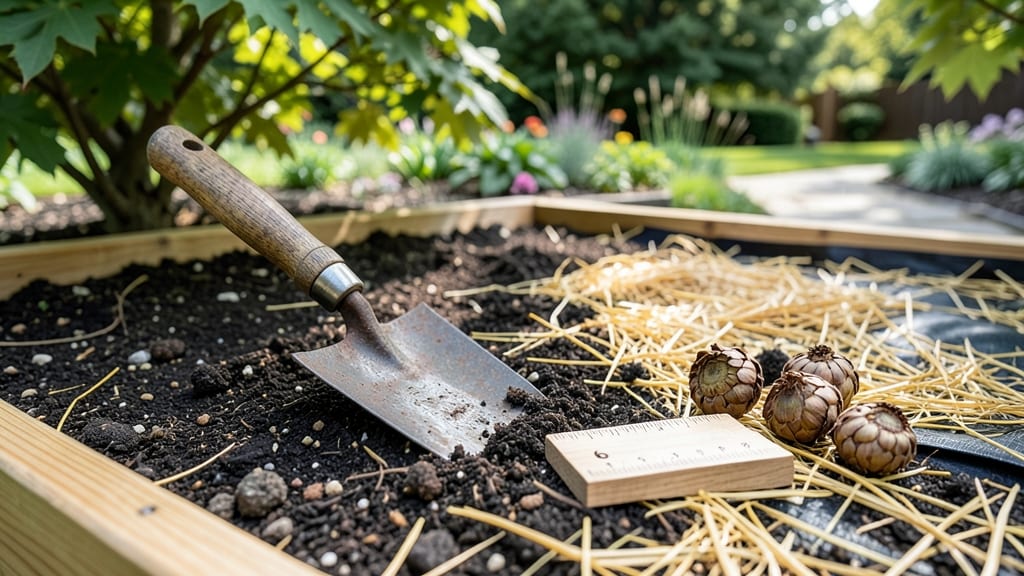
Planting dahlias in Pennsylvania at the wrong time can mean the difference between a show-stopping garden and a sad, frost-nipped disappointment. The secret to success lies in waiting for the perfect window—typically after your last frost date, when soil warms to 60°F or higher.
Here in zones 5a-7a, that usually means late April to early June, but your exact timing depends on your microclimate. Whether you're in Pittsburgh's cooler hills or Philadelphia's milder lowlands, knowing your local frost-free date is the key to avoiding early-season setbacks.
I'll walk you through how to pinpoint your ideal planting date using PA's frost maps, plus pro tips to extend your dahlias' blooming season. No more guessing—just zero-frost success for your 🌺 garden.
Ready to transform your garden? Let's dive into the exact steps to plant your dahlias at the perfect moment for maximum blooms all summer long.
Pennsylvania’s dahlia planting zones: exact dates by microclimate
Pennsylvania’s USDA Hardiness Zones 5-7 create wildly different planting windows for dahlias 🌺. While the average last frost date is April 15, your local microclimate could mean planting 3 weeks earlier in Philadelphia or 2 weeks later in Erie. Understanding these variations ensures your dahlias thrive—not just survive.
Dahlias are frost-sensitive tubers, so timing is everything. Plant too early, and a late frost will kill your tender shoots. Wait too long, and you’ll miss the 90-120 day blooming window before Pennsylvania’s first frost in October.
The key? Soil temperature (aim for 60°F+) combined with your local frost-free date.
Southern PA (Zones 6b-7a), like Philadelphia and Lancaster, typically sees its last frost by March 25-April 5, giving you a 6-week head start compared to northern regions. Meanwhile, Central PA (Zones 5b-6a), including Harrisburg and State College, averages frost-free by April 15-May 1. Northern areas like Erie (Zone 5a) often wait until May 10-20.
To find your exact microclimate, check the Penn State Extension’s frost date map or use the Almanac’s Local Frost Calculator. Even within cities, urban heat islands can shift your frost-free date by 5-7 days. For example, Pittsburgh’s downtown may be 3 days warmer than its suburbs.
Here’s the golden rule: Plant dahlias 4-6 weeks after your last frost date, when soil reaches 60°F. This ensures roots establish before summer heat arrives.
In Zone 5a (Erie, Scranton), that’s usually mid-May. In Zone 7a (Philadelphia, Wilmington), you can plant as early as late April.
Pro Tip: Use row covers or a cold frame to plant 2 weeks earlier in cooler zones. This extends your growing season without risking frost damage. Just remove covers once true leaves appear (about 3-4 weeks after planting).
Never rely on calendar dates alone. A late-May frost in the Pocono Mountains (Zone 5b) can still occur, while a heatwave in April might fool you into planting too soon in Lebanon County (Zone 6b). Always test soil temperature with a soil thermometer—it’s the most accurate guide.
Microclimate hotspots in PA include:
- Philadelphia (Zone 7a): Last frost March 25-April 5 → Plant by April 15-May 1
- Pittsburgh (Zone 6b): Last frost April 5-April 15 → Plant by May 1-May 10
- Erie (Zone 5a): Last frost May 1-May 10 → Plant by May 20-June 1
For container gardening, add 1-2 weeks to your planting window since pots warm up 5-10°F faster than garden soil. Place containers in south-facing spots and use black pots to absorb more heat. In Zone 5a, this might mean planting June 1 instead of May 20.
Mark your calendar now! Dahlia tubers should be chitted (sprouted indoors) 4-6 weeks before your target planting date. For Zone 7a, start chitting by March 15. For Zone 5a, wait until April 15. This head start gives you a 2-week advantage over garden-center dahlias.
🌱Ready to plant? Grab your soil thermometer, check your local frost dates, and adjust for your microclimate. With the right timing, your dahlias will reward you with months of vibrant blooms—from July through October—before Pennsylvania’s first frost.