
Plants
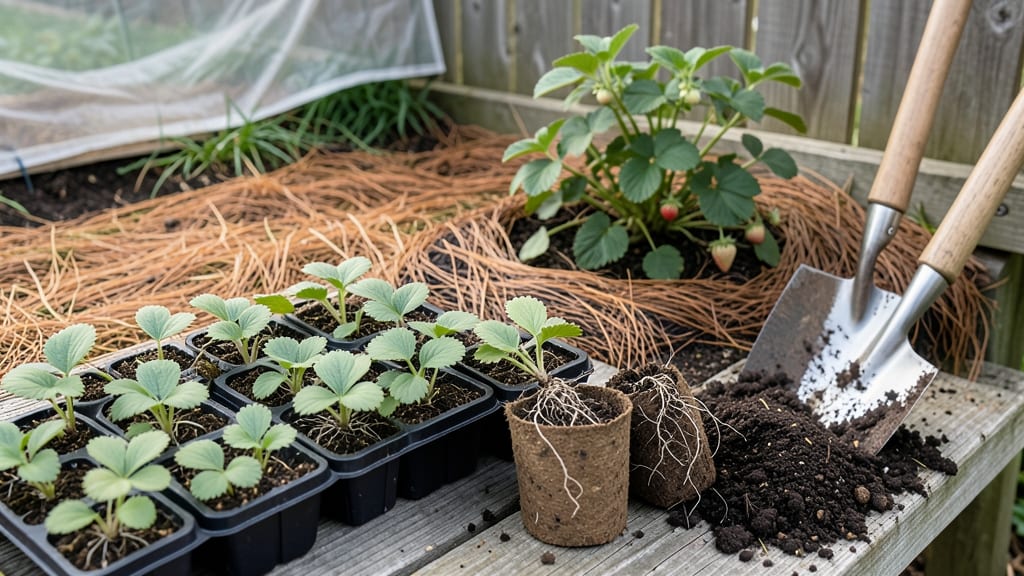
Planting strawberries in Arkansas isn't just about grabbing a few plants and sticking them in the ground—it's about matching your variety to the chill-hour zones that shape your harvest.
If you get the timing wrong, you might end up with bitter berries or no fruit at all, and that's a shame because 🍓 strawberries deserve better.
Most Arkansas gardeners know the general rule: early spring or late summer. But here's the catch—your USDA Zone 7a-8a climate means some varieties need 500+ chill hours to set fruit, while others thrive with fewer.
Everbearing types, for example, can handle a wider window, but June-bearing varieties need that perfect chill-hour match to deliver sweet, juicy berries by June.
I've planted strawberries in Arkansas for years, and I can tell you, the difference between a disappointing harvest and a bounty of berries often comes down to one thing: planting at the right time for your specific variety.
Whether you're working with bare-root plants or potted ones, this guide will help you avoid common mistakes and set your strawberries up for success.
Ready to learn the exact planting windows for Arkansas, from soil prep to frost protection? Let's get those strawberries in the ground the right way—so you can enjoy that first taste of homegrown sweetness by spring or fall.
Arkansas strawberry planting zones: matching chill-hours to varieties
Arkansas’s climate varies dramatically from the northern Ozark Mountains to the southern Delta region, creating distinct chill-hour zones that dictate which strawberry varieties thrive. Northern areas like Fayetteville average 1,000+ chill-hours, while southern zones like Little Rock see just 500–700 hours.
Choosing the wrong variety can mean poor fruit set or bitter-tasting berries, so let’s match your location to the perfect plants.
Strawberries fall into three main categories: June-bearing (one big harvest), everbearing (two smaller harvests), and day-neutral (continuous production). Arkansas’s humid subtropical climate favors day-neutral and everbearing types in warmer zones, while June-bearing varieties excel in cooler northern areas.
The last frost date (typically mid-March) and first frost (around mid-November) further narrow your planting windows.
Chill-hours measure winter cold exposure needed for flowering. Northern Arkansas (1,000+ hours) can grow traditional June-bearing varieties like Jewel or Chandler, while southern zones (500–700 hours) thrive with day-neutral types such as Seascape or Albionel. Everbearing varieties like Ozark Beauty bridge the gap in 700–900-hour zones.
For northern Arkansas (e.g., Bentonville or Springdale), plant June-bearing varieties like Chandler in February for a late spring harvest. These varieties require full winter dormancy to flower, so avoid southern types that may fail to fruit.
In central regions (e.g., Little Rock), everbearing Ozark Beauty delivers two harvests—one in May and another in September—when planted in late winter.
Southern Arkansas (El Dorado or Texarkana) gardeners should skip traditional June-bearing types entirely. Instead, opt for day-neutral Seascape, which produces berries continuously from September through December when planted in July or August. These varieties thrive in warmer microclimates and tolerate Arkansas’s humidity better than chill-dependent types.
Bare-root plants are ideal for spring planting (February–March), while potted strawberries work better for summer transplants (July–August). Soak bare-root plants for 2–3 hours before planting to rehydrate roots. For potted varieties, choose 6-inch pots with drainage holes to prevent root rot in Arkansas’s clay-heavy soils.
Amend beds with compost to improve drainage and add sulfur to lower soil pH to 5.5–6.5.
Timing matters just as much as variety. In northern zones, plant 4–6 weeks before last frost (around February 15) to let roots establish before spring warmth triggers flowering. Southern gardeners should wait until July 1 to avoid summer heat stress on newly planted day-neutral types.
Always mulch with straw (not leaves) to retain moisture and suppress weeds, which compete with shallow strawberry roots.
Arkansas’s humid climate demands extra care. After planting, water deeply twice weekly to encourage root growth, then taper to 1 inch per week once established. Avoid wetting foliage to prevent fungal diseases like
Step-by-step strawberry planting schedule for Arkansas seasons
Arkansas’s humid climate and variable frost dates demand precise timing for strawberry success. Whether you’re planting June-bearing varieties for spring harvests or everbearing types for extended yields, aligning your schedule with Arkansas’s USDA Zones 7a-8a is critical.
My experience shows that late winter to early spring and late summer are the two ideal windows—each requiring unique prep work to thrive.
For spring planting, start 4–6 weeks before your last frost date (typically mid-March). This timing allows roots to establish before warm weather arrives. Meanwhile, summer planting (July–August) sets up a fall harvest but requires extra shade and water to protect tender plants from Arkansas’s summer heat.
Let’s break down the exact steps for each season.
📅 Arkansas Strawberry Planting Timeline
- January–February (Soil Prep): Test soil pH (5.5–6.5) and amend with compost. Arkansas’s clay-heavy soils benefit from 2–3 inches of organic matter to improve drainage. 🌱
- Late February–Early March (Spring Planting): Plant bare-root or potted strawberries in raised beds or mounded rows. Space plants 12–18 inches apart in rows 24 inches apart for airflow. 🪴
- March–April (Post-Planting Care): Apply 2–3 inches of straw mulch to retain moisture and suppress weeds. Water deeply 2–3 times per week (1 inch total) and avoid wetting foliage to prevent gray mold. 💧
- July–August (Summer Planting): For fall harvests, plant day-neutral varieties like Seascape in partial shade (50% coverage). Use drip irrigation to keep soil consistently moist during Arkansas’s 90°F+ afternoons. ☀️
- September–October (Frost Protection): Apply row covers or black plastic mulch before first frost (Nov 15) to extend the harvest window. Remove covers during the day to prevent overheating. 🌬️
- November–January (Winter Care): Leave mulch in place to insulate roots. Reduce watering to bi-weekly and avoid fertilizing—strawberries are dormant in Arkansas’s 40°F winters. ❄️
Arkansas’s humid summers can stress strawberry plants, so I recommend installing shade cloth (30–50%) over summer-planted beds to prevent sunburn. Even June-bearing varieties benefit from afternoon shade during peak heat.
Pair this with drip irrigation to keep roots cool and soil evenly moist—critical for preventing fruit rot in Arkansas’s sticky climate.
Pro tip: Use strawberry jars or hanging baskets to elevate plants and improve airflow, reducing fungal diseases. This method also makes harvesting easier and keeps berries cleaner. For container gardening, ensure pots have drainage holes and use a lightweight potting mix to prevent root rot in Arkansas’s heavy rains.
Finally, mark your calendar for early February—this is when I start my soil prep for spring planting. By following this schedule, you’ll avoid the two biggest mistakes Arkansas gardeners make: planting too early (risking frost) or too late (missing optimal chill hours).
With the right timing, your strawberries will thrive year after year! 🍓