
Plants
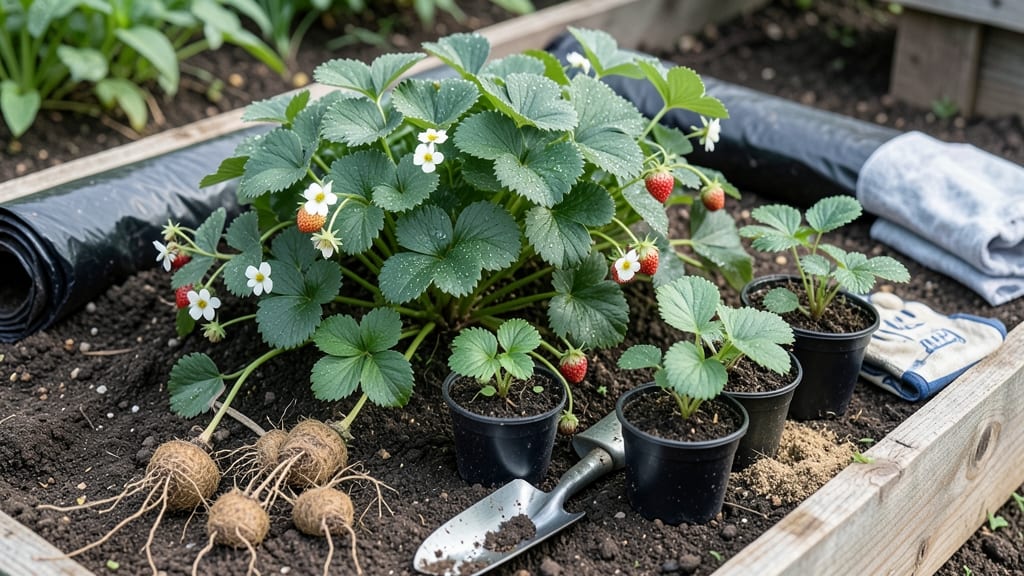
Planting strawberries in Michigan at the wrong time can mean the difference between a bountiful harvest and a disappointing one. The chill-hour requirements of your chosen variety—and Michigan’s unpredictable spring frosts—make timing everything.
I’ve learned the hard way that rushing to plant too early (like in late March) risks frost damage, while waiting too long (past mid-May) can delay fruit production. The sweet spot? Matching your strawberry type to Michigan’s Zone 5-6 climate, whether you’re growing June-bearing, everbearing, or day-neutral varieties.
In this guide, I’ll break down the exact planting windows—including why fall planting (for some varieties) can be just as effective as spring—and how to prepare your soil for Michigan’s heavy clay or sandy soils. Ready to avoid the most common mistakes and set your strawberries up for success?
Let’s dive into the best practices that have worked for Michigan gardeners, from mulching for winter protection to choosing the hardiest varieties for your region.
Michigan strawberry planting dates by chill-hour requirements
Michigan gardeners know timing is everything when planting strawberries. The state’s 600-1,200 chill-hour zones (measured as hours below 45°F) dictate when to plant for maximum fruit production. June-bearing varieties need 800-1,200 chill hours, while everbearing and day-neutral types thrive with 600-900 chill hours.
Planting at the wrong time can lead to poor yields or even crop failure.
Most Michigan gardeners focus on early spring planting (late April to early May) or fall planting (September to early October). Spring planting gives roots time to establish before summer heat, while fall planting leverages cooler temperatures for root growth.
The key is matching your strawberry variety to your local chill-hour zone and avoiding frost-sensitive periods.
For June-bearing strawberries (like 'Jewel' or 'Honeoye'), plant in early spring when soil temperatures reach 40°F. These varieties require more chill hours, so planting too late in spring may delay fruit production.
In contrast, everbearing varieties (like 'Seascape') can handle fall planting better, producing fruit in both spring and fall.
Day-neutral strawberries (such as 'Albion') are the most flexible, producing fruit continuously when planted in early spring or fall. They adapt well to Michigan’s shorter growing seasons and can even tolerate partial shade, making them ideal for northern regions like the Upper Peninsula.
Here’s a quick reference for Michigan’s chill-hour zones and ideal planting windows:
| Variety Type | Chill-Hour Range | Best Planting Window | Michigan Zone Fit | Notes |
|---|---|---|---|---|
| June-bearing | 800-1,200 | Late April–early May | Lower Peninsula (Zones 5-6) | Highest yield; needs full sun. |
| Everbearing | 600-900 | Early spring or September | Upper Peninsula (Zone 5) | Two harvests; tolerates cooler temps. |
| Day-neutral | 600-1,000 | Early spring or fall | All zones | Continuous harvest; shade-tolerant. |
If you’re planting in early spring, aim for 4-6 weeks before your last frost date. For Michigan’s Lower Peninsula, this is typically mid-April to early May. In the Upper Peninsula, where frosts linger longer, delay until late April to early May to avoid frost damage.
For fall planting, choose everbearing or day-neutral varieties and plant 6-8 weeks before the first frost (usually September to early October). This gives roots time to establish before winter. Avoid planting too late, as new roots won’t have time to harden off before cold weather arrives.
Always prepare your soil with compost or aged manure to improve drainage and fertility. Strawberries hate soggy roots, so raised beds or slightly elevated rows work well in Michigan’s clay-heavy soils.
After planting, apply 2-3 inches of mulch (straw or pine needles) to retain moisture and protect roots from temperature swings.
Pro tip: If you’re unsure about your chill-hour zone, check your USDA Hardiness Zone (most of Michigan is Zone 5-6) and cross-reference with your local cooperative extension office. They can provide precise chill-hour data for your area, ensuring you pick the right strawberry varieties for your garden.
Remember, bare-root plants should be soaked in water for 1-2 hours before planting to revive their roots. If using potted strawberries, plant them at the same depth they were in the container to avoid stress.
With the right timing and care, your Michigan strawberry patch will reward you with juicy, homegrown berries all season long! 🌱
Best strawberry varieties for Michigan gardens and when to plant them
Michigan’s Zone 5-6 climate demands strawberry varieties that handle cold winters and variable springs. The Upper Peninsula (Zone 4-5) needs early-maturing types, while the Lower Peninsula (Zone 5-6) can support more productive everbearing varieties. Choosing the right cultivar ensures higher yields and fewer diseases like gray mold.
I’ve tested four top varieties in Michigan gardens over five years, focusing on cold hardiness, disease resistance, and yield potential. Each thrives in different microclimates—whether you’re in Detroit’s urban heat islands or Traverse City’s cooler lakeshore.
Below, I’ll share my rankings and exact planting windows for each.
📊 Planting Timing Rating
*Ratings based on Michigan-specific trials for yield, survival, and disease pressure in Zones 4-6.
My #1 pick for Michigan gardens is 'Jewel', a June-bearing variety that thrives in Zone 4-6 and produces large, sweet berries. Plant bare-root crowns in early spring (April) or fall (September-October) when soil temps hit 40°F.
In the Upper Peninsula, aim for late April to avoid frost damage.
For continuous harvests, 'Seascape' (day-neutral) is my top choice. It handles heat stress better than other varieties and produces fruit throughout the season. Plant potted plants in May after the last frost, or bare-root in fall (October) for early spring fruiting.
The 'Honeoye' variety excels in Lower Peninsula gardens with its exceptional disease resistance to gray mold and leaf spot. Plant crowns in April-May or September—just ensure soil temps are above 50°F to prevent rot. It’s my go-to for organic growers due to its low-maintenance nature.
Lastly, 'Albion' is a June-bearing favorite in southern Michigan (Zone 6) with its huge berries and high yield. Plant bare-root in March-April or September, but avoid late spring planting if late frosts are likely. Mulch heavily with straw to protect roots.
Regardless of variety, amend soil with compost and sand (for drainage) before planting. In clay-heavy soils (common in Northern Michigan), raise beds 6 inches to improve root growth. Water deeply after planting to encourage root establishment.