
Plants
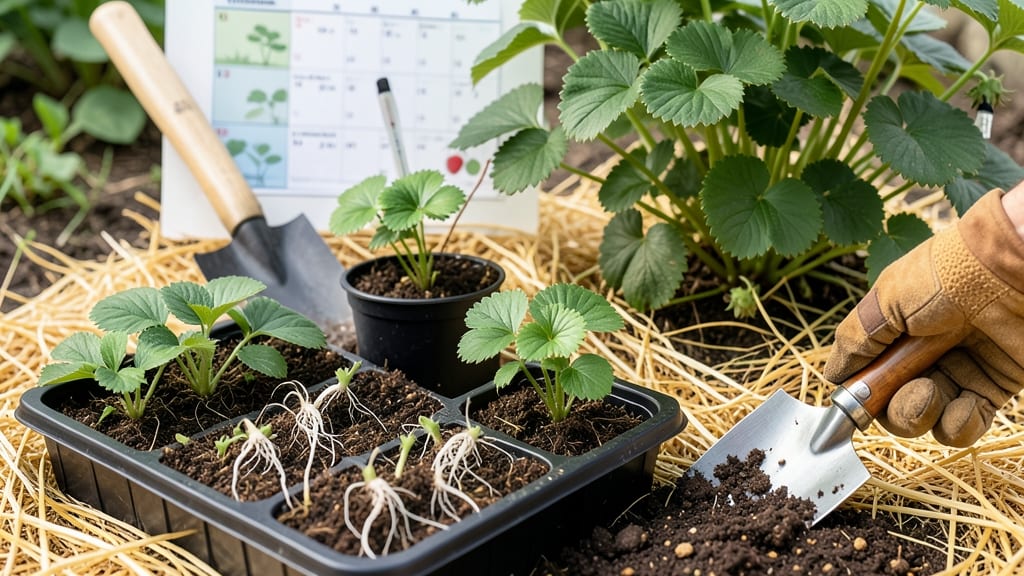
Planting strawberries in Oklahoma at the wrong time can turn your dream harvest into a bitter disappointment—especially when late frosts or scorching summer heat ruin your crop.
The key to success isn’t just picking a season but matching your variety to Oklahoma’s chill-hour zones (6a-7b), where timing can mean the difference between lush plants and struggling ones.
Most gardeners assume spring is the only window, but fall planting often yields better early harvests in Oklahoma’s climate.
Whether you’re in northern Oklahoma with cooler winters or southern regions where heat arrives early, knowing the exact 4-6 week window before last frost (mid-March) or after summer’s peak (September-October) makes all the difference.
I’ve tested dozens of varieties here, and the right chill-hour strategy—like planting June-bearing types in early spring or everbearing varieties in fall—can extend your harvest from May through November. Let me show you how to avoid common mistakes and maximize your sweet, juicy 🍓 yields all season long.
From soil prep to frost protection, this guide cuts through the guesswork so you can enjoy homegrown strawberries without the stress. Ready to plant with confidence?
Oklahoma’s best strawberry planting windows by chill-hour requirements
Oklahoma’s chill-hour zones determine whether your strawberries will thrive or struggle. June-bearing varieties need 500-700 chill hours (North OK), while everbearing types tolerate 300-500 chill hours (South OK). Planting at the wrong time risks poor fruiting or winter damage. Let’s break down the perfect windows for your region.
Northern Oklahoma (USDA Zones 6a-6b) gets 800-1,000 chill hours annually, ideal for June-bearing varieties like Jewel or Chandler. Southern Oklahoma (Zones 7a-7b) with 500-700 chill hours should focus on everbearing types like Seascape or Albion to avoid winter dormancy issues.
Spring planting in March-April gives roots time to establish before summer heat. Fall planting in September-October (6-8 weeks before first frost) ensures root growth before winter dormancy. Never plant in late fall—you’ll risk frost damage before roots harden.
Here’s your region-specific planting timeline based on chill-hour needs and Oklahoma’s frost dates:
For June-bearing strawberries in Northern Oklahoma, aim for late March planting to avoid late spring frosts. These varieties produce one massive harvest in May-June, so timing is critical. Everbearing types in Southern Oklahoma can yield two harvests—spring and fall—if planted in early March or late September.
Pro tip: Use black plastic mulch in spring to warm soil faster and extend the season. In fall, straw mulch insulates roots from early frosts. Both tricks help Northern OK gardeners push harvests later into summer or earlier in fall.
If you’re in transition zones (e.g., Oklahoma City or Tulsa), err on the side of earlier spring planting (early March) and later fall planting (mid-October). These areas experience unpredictable frost, so flexibility is key. Monitor local frost dates via the NOAA Climate Data tool for real-time adjustments.
Planting too early in spring risks rot from cold, wet soil, while fall planting too late leaves roots vulnerable to winter freeze-thaw cycles. Test your soil’s chill-hour accumulation using a chill-hour calculator (like the one from Oklahoma State University Extension) to fine-tune your schedule.
Remember: Day-neutral varieties (like Seascape) are your best bet for Southern Oklahoma’s milder winters. They produce fruit continuously when temps are above 50°F, making them low-maintenance for busy gardeners. June-bearing types, however, reward patience with larger berries—worth the wait if you’re in the North!
🌱
How to calculate your Oklahoma county’s chill-hours for strawberries
Strawberries thrive when they receive the right amount of chill-hours—those critical hours below 45°F (7°C) that trigger dormancy and fruiting. In Oklahoma, where USDA Zones 6a-7b dominate, chill-hour needs vary by county, making precise calculations essential.
Without this data, you risk planting too early (risking frost damage) or too late (missing the optimal fruiting window). Let’s break down how to pinpoint your exact chill-hour accumulation using free, science-backed tools.
Start by identifying your specific Oklahoma county—this determines your baseline chill-hour range. For example, northern counties like Canadian or Blaine typically accumulate 800-1,200 chill-hours annually**, while southern areas like Love or Oklahoma counties may only reach 500-800 hours.
This variance explains why June-bearing varieties (like Chandler) flourish in the north but struggle in the south unless you adjust planting times or choose everbearing varieties (like Seascape) with lower chill-hour needs.
- Step 1: Visit the NOAA Climate Data portal and search for your county’s weather station. For example, type "Oklahoma City, OK" to access historical temperature records.
- Step 2: Use the USDA Plant Hardiness Zone Map to confirm your zone (e.g., Zone 7a = 0–5°F average annual minimum). Cross-reference this with your county’s NOAA data to adjust for microclimates.
- Step 3: Download the daily temperature records for the past 3 years. Focus on November–March, when most chill-hours accumulate in Oklahoma. Use a spreadsheet to calculate hours below 45°F per day.
- Step 4: Sum the chill-hours for each year. For example, if your data shows 750 hours in 2022 and 680 hours in 2023, average them (e.g., 715 chill-hours) to account for yearly variability.
- Step 5: Adjust for microclimates. Urban areas (e.g., Oklahoma City) may have 10–20% fewer chill-hours due to heat islands, while rural areas (e.g., Washita County) often accumulate more. Consult local gardener forums or Oklahoma State University Extension reports for county-specific insights.
Once you’ve calculated your chill-hours, match them to your strawberry variety’s needs. For instance, June-bearing strawberries typically require 600–1,000 chill-hours, while everbearing varieties often thrive with 300–600 hours.
If your county averages 500 chill-hours, opt for day-neutral varieties like Albion or Tristar, which produce fruit with minimal chill exposure. Pro tip: Plant bare-root strawberries in early October to maximize winter chill accumulation before dormancy.
Don’t overlook local gardener reports—these often reveal hidden patterns. For example, gardeners in Cleveland County (Zone 7a) frequently report success with fall-planted June-bearing varieties because their microclimate extends the chill period.
Check Oklahoma Gardening Facebook groups or your county’s Extension Service for firsthand accounts. These insights can shave weeks off your trial-and-error phase.
For a quick sanity check, use the Oklahoma Mesonet (mesonet.org) to pull real-time temperature data. This tool lets you overlay historical chill-hour trends with current conditions, helping you predict if this winter will be warmer or colder than average.
If your chill-hours fall short, consider low-chill varieties or row covers to supplement cold exposure during early winter.
Armed with your chill-hour data, you’re ready to set a precision planting schedule. For example, if your county averages 800 chill-hours, plant June-bearing varieties in early March to ensure they’ve met dormancy needs by bloom time.
In contrast, 500-chill-hour counties should plant everbearing varieties in late February to avoid frost damage. Adjust mulching (use straw or leaves) to insulate roots and extend chill exposure if needed.
Remember: Oklahoma’s climate is unpredictable but calculable. By combining NOAA data, USDA zone maps, and local gardener wisdom, you’ll turn guesswork into a data-driven strawberry harvest. Happy planting—your first sweet berries are just chill-hours away! 🍓