
Plants
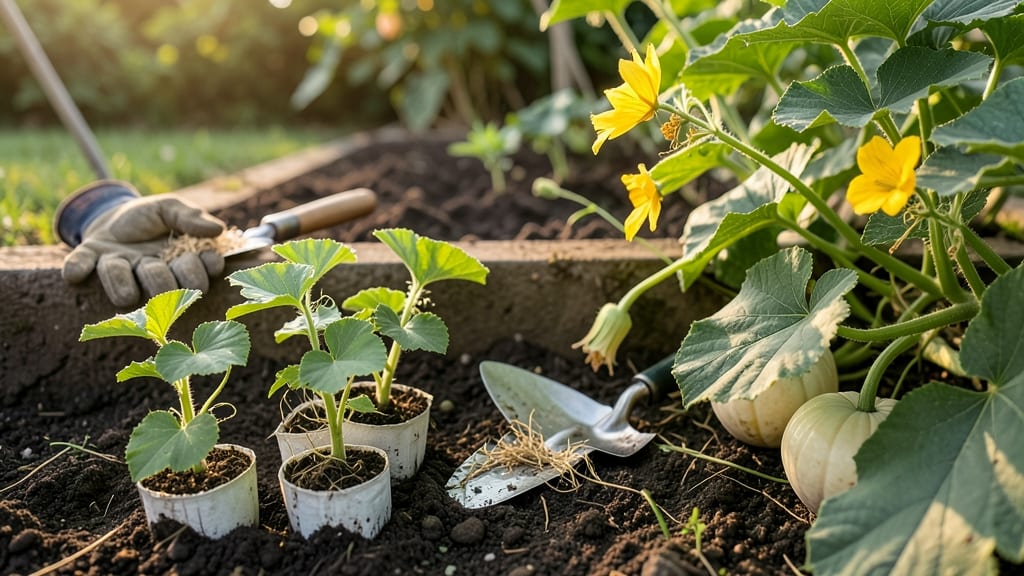
Planting pumpkins in Utah isn’t just about timing—it’s about outsmarting the state’s tricky soil warmth and elevation shifts.
With USDA Zones 5-7 and frost dates that vary wildly from valley to high desert, getting those seeds in the ground at the right moment means the difference between a bumper crop of 🎃 and a sad, wilted vine.
Most Utah gardeners assume mid-April is the magic window, but that’s only half the story. Soil temperatures below 55°F can stall germination, while late frosts in higher elevations (like Cache County) might delay planting until early June.
The key? Knowing when your microclimate truly warms up—and adjusting for Utah’s short 120-150 frost-free days.
Whether you’re direct-sowing seeds or transplanting seedlings, the stakes are high. Skip the guesswork with proven strategies like using row covers for early starts or choosing cold-tolerant varieties like ‘Jack Be Little.’
I’ll break down the best planting dates for your specific Utah zone, so you can avoid common pitfalls and maximize your harvest before the first frost hits.
Ready to grow pumpkins that thrive? Let’s dive into the exact timing, soil prep, and elevation tweaks that’ll turn your Utah garden into a pumpkin patch powerhouse—no more wasted seeds or late-season regrets.
Utah pumpkin planting timeline by elevation: when soil warms enough
Utah’s dramatic elevation shifts—from St. George’s low desert (2,800 ft) to Cache Valley’s high plateaus (5,500 ft)—create wildly different planting zones for pumpkins. While low-elevation areas can start as early as mid-March, high-desert gardeners often wait until late May to avoid frost damage.
The key? Soil temperature must reach at least 55°F for seeds to germinate, with 60°F+ being ideal for faster growth.
Most Utah counties experience their last spring frost between mid-April and early May, but high-elevation areas like Logan or Park City can see frost well into May.
To succeed, I recommend using local frost-free date calculators (like the Utah Climate Center’s tools) and adjusting your planting window accordingly. For example, Salt Lake Valley gardeners typically plant by late April, while San Juan County growers wait until June to be safe.
Here’s the critical rule: Never plant pumpkins until the soil warms to 55°F+. Cold soil delays germination and invites rot. Use a soil thermometer—it’s the most reliable way to track progress.
In my own garden in Draper, I’ve seen soil temperatures fluctuate 20°F in a single week due to altitude shifts, so I test daily in spring.
Pumpkins need 90–120 frost-free days to mature, so high-elevation gardeners should focus on early-maturing varieties like ‘Jack Be Little’ (75 days) or ‘Small Sugar’ (85 days).
If you’re in low-desert areas, you can afford longer-season varieties like ‘Howden’ (110 days), but be prepared for heat stress if summer temperatures exceed 95°F. Shade cloth or afternoon watering can help mitigate this.
🌱Pro Tip: If you’re unsure about your local frost dates, start pumpkin seeds indoors 2–3 weeks before your target outdoor planting date. Transplant seedlings after the last frost when they’re 2–3 inches tall, giving them a head start on the season.
🌡️ Soil temperature is non-negotiable—I once planted pumpkins in Ogden in early May, only to watch them rot in 48°F soil. Since then, I’ve made it a rule to wait until the soil hits 60°F before planting, even if the air feels warm.
A black plastic mulch laid 1–2 weeks before planting can raise soil temperatures by 5–10°F, giving you an earlier start in cooler zones.
For high-elevation gardeners, consider transplanting seedlings instead of direct sowing. Start seeds indoors under grow lights in early April, then harden them off before moving outdoors in late May.
This buys you critical extra weeks in the growing season. I’ve had success with this method in Heber Valley, where the season is typically only 100 frost-free days.
🚨 Watch for late frosts—even in June! In 2022, a June frost hit Park City and wiped out unprotected pumpkin seedlings. If your area has a history of late frosts, use floating row covers or low tunnels to protect young plants until they’re 4–5 inches tall.
Remove covers during the day to
How to adjust planting dates for Utah’s unpredictable weather patterns
Utah’s microclimates can make pumpkin planting feel like a game of chance—one week of 50°F soil can stall germination, while a late frost might nip young seedlings. The key is flexibility: knowing how to extend your season with tools and strategies tailored to your specific elevation zone.
Whether you're in the Salt Lake Valley or Cache County, these adjustments will help you beat Utah’s weather.
Start by choosing cold-hardy varieties like 'Jack Be Little' or 'Small Sugar', which tolerate cooler soils better than standard pumpkins. These varieties can handle 55°F soil temperatures, giving you a 2-week head start before transplanting larger seedlings.
Pair this with row covers to protect early plantings from unexpected late frosts, which are common in Utah’s high desert regions.
For gardeners in northern Utah, like those in Logan or Park City, consider staggered plantings: sow half your seeds in early May and the other half in late May. This spreads out harvest times and reduces risk from unpredictable weather.
If you’re in southern Utah, like Hurricane or Moab, you can push planting dates 2-3 weeks earlier thanks to warmer soil.
Don’t forget to monitor weather forecasts closely in the weeks leading up to planting. Utah’s diurnal temperature swings (hot days, cold nights) can stress young plants. If a cold snap is predicted, use cloches or cold frames to shield seedlings.
With these strategies, you’ll turn Utah’s unpredictable weather into an advantage, ensuring your pumpkins thrive from seed to harvest. 🎃