
Plants
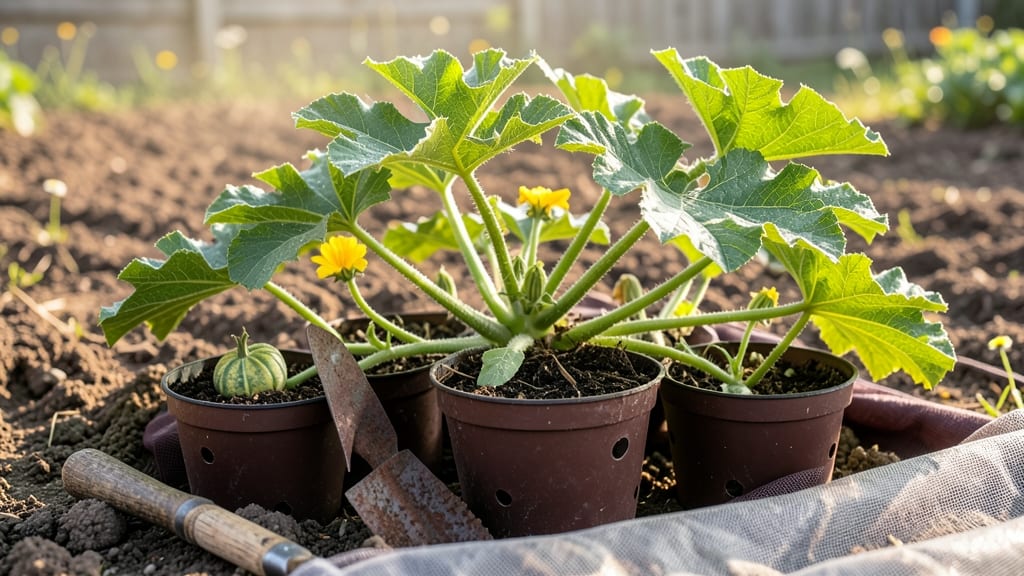
Planting pumpkins in Oregon isn’t just about the calendar—it’s about mastering the microclimates that turn your garden into a high-stakes game of timing.
Whether you’re in the Willamette Valley’s mild springs or Eastern Oregon’s hotter inland zones, getting those seeds in the ground too early risks frost damage, while waiting too long can leave your 🎃 vines scrambling to mature before winter.
I’ve learned the hard way that Oregon’s USDA zones 7b-9a demand precision: coastal areas like Astoria can plant as late as early June, while inland spots like Bend need seeds in by mid-April. The key? Waiting until soil hits 60°F—no guessing games, just science-backed readiness.
This guide cuts through the confusion with exact planting windows, soil prep secrets, and variety recommendations tailored to your corner of the state.
Skip the one-size-fits-all advice and discover how to align your pumpkin patch with Oregon’s unpredictable weather—because the difference between a bumper crop and a bust is often just a few weeks.
Ready to turn your garden into a pumpkin powerhouse? Let’s dive into the month-by-month strategy that’s worked for Oregon growers—and how to adapt it to your specific microclimate, whether you’re battling coastal fog or high-desert heat.
Best pumpkin planting dates in Oregon by microclimate: coastal vs inland
Oregon’s microclimates create a challenge for pumpkin growers. Coastal areas like Astoria and Newport stay cooler longer, while inland valleys like the Willamette Valley and Eastern Oregon warm up faster. Getting your planting timing right means the difference between a bountiful harvest and wasted seeds.
Let’s break down the ideal planting windows for each region, including soil temperature and frost-free dates.
Pumpkins thrive when planted after the last frost date and when soil temperatures reach at least 60°F. In Oregon, this typically falls between mid-April and early June, but coastal areas may need to wait until late May or even June.
Inland regions can start as early as mid-April, giving vines more time to mature before the first frost in October. Always check your local USDA zone (Oregon ranges from 7b to 9a) and frost-free days (typically 165 days for pumpkins).
Here’s a quick comparison of planting windows across Oregon’s key regions, including soil temperature targets and frost risks:
| Region | Planting Window | Soil Temp for Germination | Last Frost Date | Notes |
|---|---|---|---|---|
| Coastal (Astoria, Newport) | Late May to early June | 60–65°F | Mid-to-late May | Cooler soils delay germination; use row covers if frost risk persists. |
| Willamette Valley (Eugene, Salem) | Mid-April to early May | 60°F | Early April | Warmer soils allow earlier planting; monitor for late frosts. |
| Eastern Oregon (Bend, La Grande) | Mid-April to late April | 55–60°F | Late March to early April | Drier climate; water consistently to prevent stress. |
| High Desert (Burns, Ontario) | Late April to early May | 60°F | Mid-April | Short growing season; choose fast-maturing varieties. |
For coastal Oregon, like Astoria or Newport, the foggy marine climate keeps soils cool well into summer. Aim to plant pumpkin seeds in late May or early June when soil temperatures consistently hit 60°F. Coastal areas often experience late frosts in May, so have row covers ready.
If you’re growing mini pumpkins or compact varieties, you can push the timeline slightly earlier, but larger varieties like Howden or Cinderella need the full growing season.
Inland regions, such as the Willamette Valley (home to Eugene and Salem), offer warmer soils and longer growing seasons. Here, you can start planting as early as mid-April, but always wait until the soil temperature reaches 60°F to avoid slow germination.
The Willamette Valley typically has a last frost date around April 15, giving pumpkins ample time to mature before the first frost in October. This region is ideal for large pumpkin varieties like Atlantic Giant, as long as you provide plenty of space for sprawling vines.
Eastern Oregon, including areas like Bend and La Grande, has a drier climate with faster soil warming. You can plant pumpkin seeds as early as mid-April, but monitor soil moisture closely.
The high desert, such as Burns or Ontario, has a shorter growing season, so focus on fast-maturing varieties like Jack Be Little or Small Sugar. In these areas, aim to plant by late April to ensure a harvest before the first frost in October.
To determine your local last frost date, check resources like the Oregon State University Extension or the National Weather Service. For soil temperature checks, use a soil thermometer or wait until you can press your finger into the soil about 1 inch deep without resistance.
If you’re unsure, err on the side of planting later—pumpkins can handle heat better than cold, but they won’t tolerate frost at any stage.
Once you’ve nailed down your planting window, prepare your soil by amending it with compost or well-rotted manure to ensure good drainage. Pumpkins love rich, slightly acidic soil with a pH between 6.0 and 7.0. Create mounds or hills for planting to improve drainage and reduce disease risk.
Plant 3–4 seeds per hill, 1 inch deep, and thin to the strongest seedling once they sprout. Space hills 4–6 feet apart to give vines room to spread.
With these microclimate-specific planting dates, you’ll set your pumpkins up for success. Whether you’re growing in coastal fog, inland valleys, or high desert, timing is everything. Happy planting!
How to adjust pumpkin planting for Oregon’s unpredictable weather patterns
Oregon’s unpredictable weather can turn pumpkin planting into a high-stakes gamble. One week of late frost can wipe out seedlings, while sudden heatwaves can stress vines before they mature. The key is flexibility—adjusting your approach based on your microclimate and using smart strategies to protect your plants.
If you’re in the Willamette Valley, you might face cool, wet springs that delay planting, while coastal gardeners in Astoria often wait until June to avoid chilly ocean breezes. Meanwhile, high-desert regions like Bend can experience rapid temperature swings that require different tactics. Here’s how to adapt.
⚠️ WARNING: Oregon’s Frost Risk Doesn’t Follow the Calendar
Don’t rely on average frost dates—Oregon’s late frosts can strike as late as May 15 in the coastal zone, while inland valleys may see first frost as early as October 1. Use a soil thermometer to confirm 60°F+ soil temps before planting, and monitor local weather alerts for frost warnings.
Pro tip: Plant cold-hardy varieties like ‘Jack Be Little’ or ‘Waltham Butternut’ if you’re in a high-risk zone. These tolerate 50°F soil temps better than standard pumpkins.
For coastal gardeners, start seeds indoors in March and use row covers to create a microclimate that warms the soil faster. Transplant seedlings outdoors only after May 15, when nighttime temps stay above 55°F.
If a late frost threatens, cover plants with frost cloth or old bedsheets secured with bricks or stakes.
Inland gardeners in USDA Zone 8-9 (like Salem or Hood River) can plant seeds directly in the soil by mid-April, but be ready to protect young plants with low tunnels or cloches if unseasonable cold hits. Heat-loving varieties like ‘Howden’ thrive here but need consistent moisture during summer droughts—mulch heavily to retain soil moisture.
If early rains soak your soil before planting, create raised beds to improve drainage and warm up faster. Amend the soil with compost and aged manure to boost fertility, and choose disease-resistant varieties like ‘Cinderella’, which handles humid conditions better than standard pumpkins.
Always plant on mounds or hills to prevent waterlogging.
For high-desert areas (e.g., Bend or La Pinedaytime temps can hit 90°F by July, focus on shade cloth to protect young plants and drip irrigation to avoid leaf scorch. Harvest early-maturing varieties like ‘Small Sugar’ by late August to avoid early frost cutting the season short.
No matter your Oregon microclimate, always have a backup plan. Keep a few extra seeds on hand for late replanting if weather ruins your first attempt. With these adjustments, you’ll outsmart Oregon’s weather and enjoy a bountiful pumpkin harvest—just in time for fall festivals! 🎃