
Plants
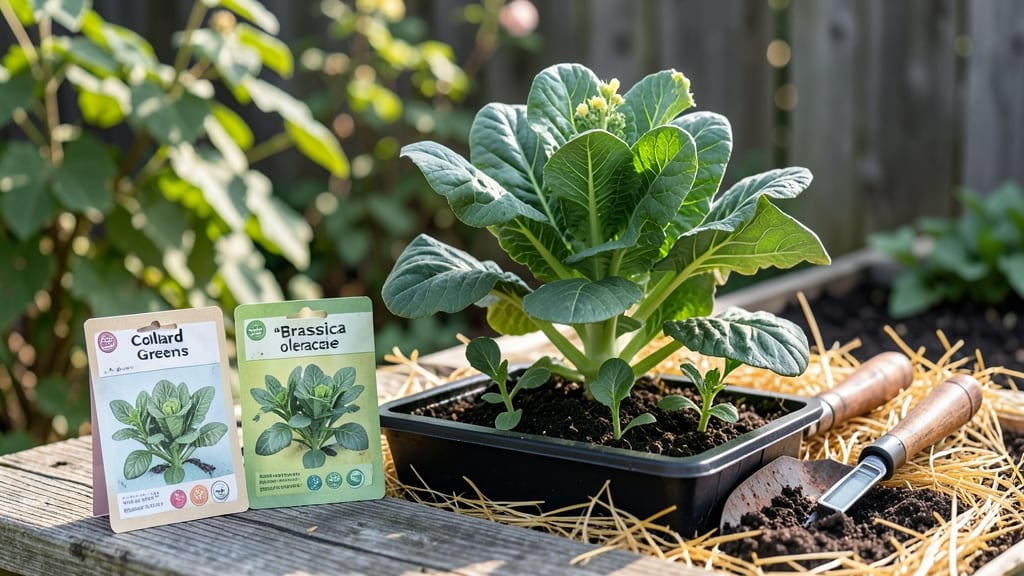
Timing your collard planting in Georgia isn’t just about avoiding frost—it’s about mastering the 215-day growing window between your last and first frost. Skip the guesswork, and you’ll miss out on the sweet, tender 🥬 harvests that define Georgia’s table.
Whether you’re in the humid coastal plains or the cooler Piedmont, planting too early risks stunted growth, while waiting too long means heat stress before the first chill arrives.
The key? Align your schedule with Georgia’s USDA zones 7b-8a, where spring collards thrive when soil warms to 50°F—typically by late February—but fall plantings demand precision to beat the November frost.
I’ll break down the exact transplant dates, soil prep secrets, and microclimate tweaks that separate thriving greens from wilted disappointment.
What you’ll discover isn’t just a calendar—it’s a strategy to stretch your harvest from May through November, even in Georgia’s unpredictable climate. From coastal Savannah’s humidity to Atlanta’s nighttime dips, we’ll cover how to adjust for your specific corner of the state.
Ready to turn your garden into a year-round collard powerhouse?
Let’s dive into the zero-frost planting plan that’s already working for Georgia growers—no more second-guessing, just bumper crops of the South’s most beloved green.
Georgia’s collard planting calendar by growing zone (with frost-free deadlines)
Georgia’s USDA zones 7b-9a create unique challenges for growing collards. Coastal areas like Savannah (zone 8a) enjoy milder winters, while the Piedmont (zone 7b) faces earlier frosts.
Timing your transplants correctly means the difference between a bountiful harvest and wilted greens. Here’s your zone-specific planting schedule to avoid heat shock and frost damage.
Collards thrive in cool-season conditions but bolt in summer heat. The key is planting 4-6 weeks before your last frost for spring crops and 60-75 days before first frost for fall harvests.
Georgia’s frost-free window typically runs from mid-March to mid-November, but your exact dates depend on elevation and proximity to water bodies.
⚠️ Critical Deadlines: Missing these windows risks stunted growth or frost-killed plants. For example, Atlanta gardeners (zone 7b) must transplant by March 15 for spring or September 1 for fall, while Savannah (zone 8a) can extend fall planting until October 15.
For spring planting, start seeds indoors 6-8 weeks before last frost or transplant hardened-off seedlings after soil reaches 50°F. In zone 7b, this means late February transplants for a May harvest. Coastal gardeners (zones 8a-9a) can begin even earlier due to warmer soils.
Fall planting offers Georgia’s longest harvest window. Aim for 60-75 days before first frost—typically early September for zone 7b and mid-October for coastal areas. Succession plant every 2-3 weeks to extend your harvest through December.
💡 Pro Tip: Use row covers to push fall planting 2-3 weeks later in cooler zones. This protects tender seedlings from light frosts (28-32°F) while allowing growth. Remove covers during the day to prevent overheating.
Heat stress is the #1 enemy of summer collards. If you miss the fall window, opt for shade-tolerant varieties like ‘Blue Max’ or ‘Georgia Southern’ and plant in partial shade during peak summer. These varieties handle 90°F+ temperatures better than standard types.
🌡️ Soil Temperature Matters: Collards won’t thrive below 45°F or above 85°F. Use a soil thermometer to confirm conditions. Inland zones (7b) may need black plastic mulch to warm soil faster in spring, while coastal areas benefit from shade cloth during summer.
Plan your collard harvest around Georgia’s two prime windows: late spring (May-June) and fall (October-November). With proper timing, you can enjoy fresh greens for 6-8 months
How microclimates in Georgia shift collard planting (coastal vs. Piedmont vs. mountains)
Georgia’s geography creates dramatic differences in collard planting timing. Coastal areas like Savannah enjoy warmer soil earlier, while the Piedmont’s cooler nights delay planting by 2-3 weeks. Mountain regions face even shorter seasons. Understanding these shifts lets you plant at the perfect moment for frost-free growth.
Humidity plays a huge role too. Coastal gardens stay moist longer after rain, while Piedmont soils dry faster. Mountain areas experience rapid temperature swings, which can shock young plants. These microclimates aren’t just about frost dates—they affect soil warming rates and plant stress levels throughout the season.
| Region | Spring Planting Window | Fall Planting Window | Key Microclimate Factor | Adjustment Tip |
|---|---|---|---|---|
| Coastal (Savannah, Brunswick) | Late February - Early March | Mid-August - Early September | High humidity, slower soil drying | Plant 2 weeks earlier than Piedmont |
| Piedmont (Atlanta, Athens) | Mid-March - Early April | Late August - Mid-September | Cooler nights, faster soil warming | Use black plastic mulch to warm soil |
| Mountains (Blue Ridge, Dahlonega) | Early April - Mid-April | Early September - Late September | Short growing season, high elevation | Choose fast-maturing varieties like 'Top Bunch' |
Use local landmarks to predict your microclimate’s frost risk. If you’re near a large river, expect warmer nights that delay frost by 1-2 weeks. Areas with elevation changes (like the foothills) often have earlier frosts than flatland.
Even within cities, urban heat islands can create microclimates where collards thrive 2 weeks longer than rural areas.
For coastal gardeners, start seeds indoors in January to get a jump on the season. Piedmont gardeners should wait until soil temps reach 50°F before transplanting. Mountain growers may need to use row covers to extend the season by 3-4 weeks in both spring and fall.
Don’t forget that collard varieties respond differently. Heat-tolerant types like 'Vates' handle coastal summers better, while cold-hardy 'Georgia Southern' thrives in mountain regions. Match your plant selection to your microclimate for the best results.
With these adjustments, you’ll avoid the common mistakes of planting too early (frost damage) or too late (heat stress). The key is observing your local patterns—whether it’s the first morning frost date or how quickly your soil warms in spring.