
Plants
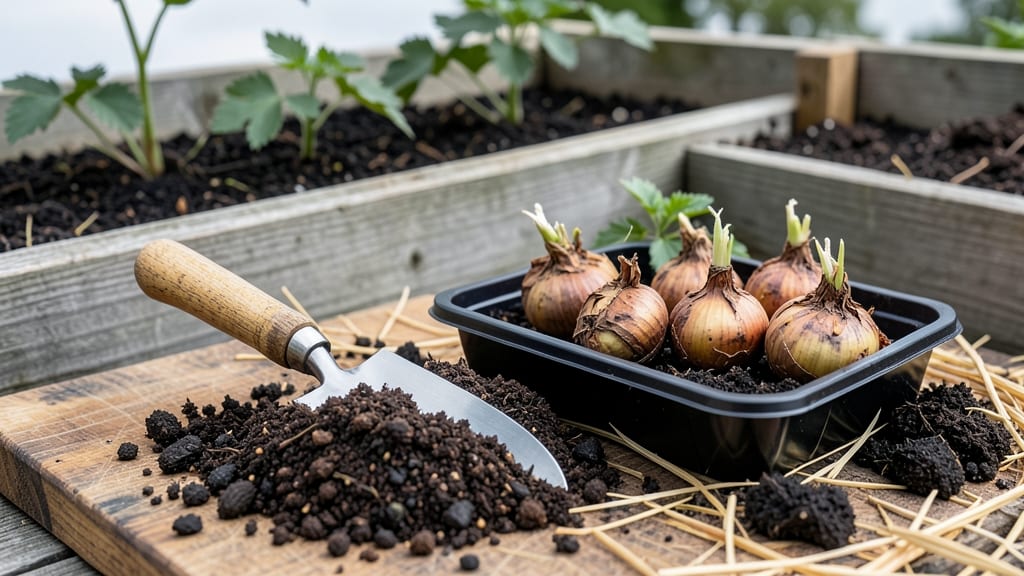
Planting dahlias in New Zealand at the wrong time can turn your dream garden into a frost-killed disappointment—especially when coastal areas and inland regions have wildly different frost risks.
Whether you're in Auckland's milder climate or Canterbury's cooler high country, getting the timing right is the difference between stunning blooms and wilted tubers.
The key to success lies in waiting until all frost danger has passed, typically between late August and early October. But here's the catch: coastal gardeners can often plant 2-4 weeks earlier than their inland counterparts, thanks to microclimates that stay warmer longer.
I'll show you exactly how to adjust your schedule based on where you live in NZ.
We'll cover everything from preparing your tubers to understanding why some regions bloom earlier than others. By the end, you'll know exactly when to plant for maximum flowering potential—no more guessing games or lost seasons.
Ready to transform your garden with bold, reliable dahlias? Let's get those tubers in the ground at the perfect moment for your specific NZ location.
Optimal dahlia planting dates in NZ by region: coastal vs inland guidelines
New Zealand's diverse climate means dahlia planting dates can vary by 4-6 weeks between coastal and inland areas. Coastal regions like Auckland and Nelson enjoy milder winters, while inland zones such as Wanaka or Canterbury face frost risks until late September.
Understanding these differences ensures your dahlias thrive from the first bloom.
For coastal NZ, the ideal planting window opens in late August, when soil temperatures consistently stay above 10°C (50°F). Inland gardeners should wait until mid-to-late September to avoid frost damage. This delay accounts for 200+ frost-free days needed for dahlias to establish strong roots before winter's return.
Soil temperature is critical for tuber growth. Use a soil thermometer to confirm 10-15°C (50-59°F) at a 10cm depth. Coastal areas often hit this mark by early September, while inland regions may need to wait until October in colder pockets like Central Otago.
Regional variations also affect planting success. The North Island (e.g., Hawke's Bay) typically plants 2-3 weeks earlier than the South Island (e.g., Christchurch) due to warmer microclimates. Even within cities, urban heat islands can create localized planting windows—always check your specific suburb's frost history.
In coastal regions, the earlier planting window allows dahlias to establish roots before summer heat arrives. For example, Auckland gardeners can plant by early September and expect blooms by December.
Meanwhile, inland areas like Timaru should delay until October to avoid late-spring frosts that can blacken tender shoots overnight.
Soil preparation also differs by region. Coastal soils often benefit from organic matter additions to improve drainage, while inland areas may need sand amendments to prevent waterlogging. Test your soil's pH (6.0-7.0 ideal) and drainage before planting—dahlias hate soggy roots.
A simple permeability test (dig a hole, fill with water, see how fast it drains) takes 10 minutes and saves heartache later.
For North Island gardeners, focus on late August to early September planting. Use frost-sensitive varieties like 'Café au Lait' or 'Karma Choc' for earlier color. In the South Island, prioritize hardy varieties such as 'Bishop' or 'Thomas Edison', which tolerate cooler soils better.
Always check your local NIWA frost forecast for real-time adjustments.
Pro tip: Chit your tubers indoors 4-6 weeks before planting to jumpstart growth. Place tubers in a bright, cool spot (10-13°C) with the neck pointing upward. By planting time, you'll see 1-2cm sprouts, giving your dahlias a 3-week head start over unchitted tubers.
Remember, dahlia tubers are living plants—they need consistent care from the moment they hit the soil. Mulch with straw or wood chips to retain moisture and regulate soil temperature. In cooler regions, a cloche or row cover can extend the season by 2-3 weeks if planted early.
If you miss the ideal window, don't panic! Late September plantings still yield blooms, though they may arrive 4-6 weeks later. The key is patience and protection—use frost blankets on young shoots and water deeply to encourage root growth. With
How to prepare dahlia tubers for NZ planting: step-by-step prep for success
Preparing dahlia tubers properly is the secret to vibrant blooms and healthy growth in New Zealand's variable climate. Unlike many plants, dahlias need indoor prep before outdoor planting to give them a head start.
Start your tubers indoors 8-10 weeks before your last frost date—typically late June to early July for most NZ regions.
First, inspect your tubers for disease signs like soft spots, mold, or shriveled areas. Healthy tubers should feel firm and plump, with multiple "eyes" (dormant buds).
Discard any tubers with rot or pests to prevent garden-wide issues. Store tubers in a cool, dry place (around 5-10°C) until you're ready to start chitting.
Chitting is the process of encouraging early sprouting by exposing the eyes to light and warmth. Place tubers in a shallow tray with the eyes facing upward. Keep them in a bright, warm spot (around 15-18°C) and mist lightly every few days to maintain moisture.
Sprouts should appear in 2-4 weeks, signaling it's time for the next steps.
Once sprouts reach 5-7cm tall, it's time to cut larger tubers into sections. Use a sterilized knife to divide tubers, ensuring each piece has 3-5 eyes. Let the cut surfaces dry and callous for 24-48 hours to prevent rot.
This step is crucial for space efficiency and stronger plants, especially in NZ's compact gardens.
About 2-3 weeks before outdoor planting, begin hardening off your dahlias. Move potted tubers to a shaded outdoor spot during the day, then bring them back inside at night.
Gradually increase their exposure to sun and wind over 1-2 weeks. This prepares them for NZ's variable spring weather, reducing transplant shock.
Finally, plant your hardened-off tubers outdoors once soil temperatures consistently stay above 10°C (usually late August to early October, depending on your region). Choose a sunny, sheltered spot with well-draining soil, and water thoroughly after planting.
Mulch around the base to retain moisture and protect against late frosts.