
Plants
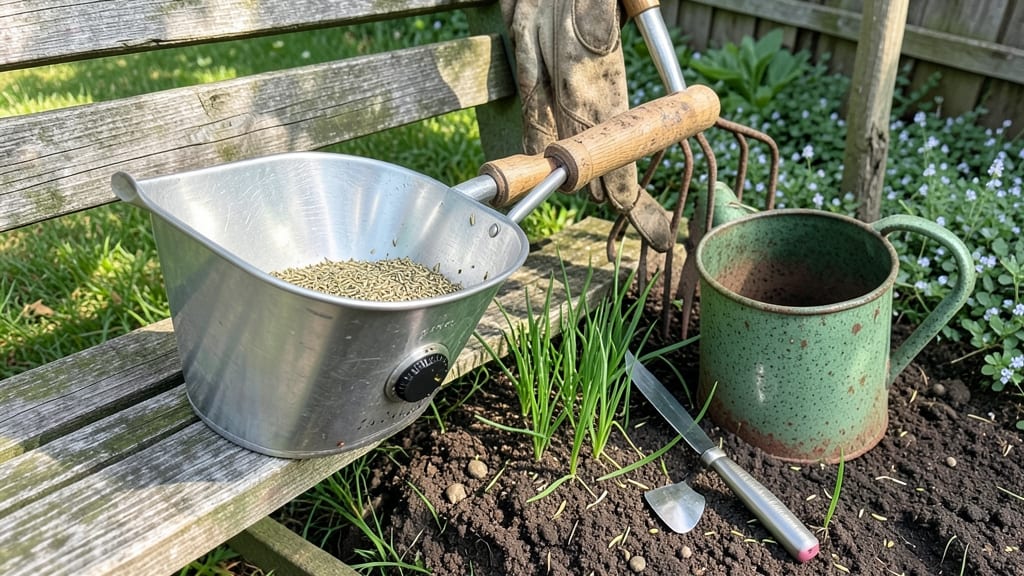
Planting grass in North Carolina at the wrong time can turn your dream of a lush lawn into a frustrating waste of money and effort.
The best time to plant depends on your USDA zone—whether you're in the cooler mountains or warmer coastal areas—but timing is everything for root establishment and survival.
Most gardeners swear by early spring or fall, but without knowing your exact zone, you might end up battling heat stress or frost damage. For example, Zone 6a's last frost can linger until April 15, while Zone 8b might already be too hot by then.
Let’s break down the ideal windows and what to watch for in your specific corner of the state.
You’ll also discover how soil temperature—60-65°F for cool-season grasses—plays a bigger role than just calendar dates. Plus, I’ll share which native varieties thrive in NC’s climate and when to avoid planting altogether. Ready to get your lawn off to the right start?
Whether you're seeding a new yard or overseeding an existing one, these insights will help you skip the common mistakes and create a lawn that stays green year-round. Let’s get into the details so you can plant with confidence.
North Carolina grass planting timeline by USDA hardiness Zones (6b-8a)
North Carolina's diverse climate—from the cool mountain regions of Zone 6b to the warmer coastal areas of Zone 8a—means your perfect planting window depends entirely on where you live.
Cool-season grasses like tall fescue and ryegrass thrive when soil temperatures hover between 50°F and 65°F, while warm-season varieties like Bermuda and zoysia need soil to stay above 65°F for consistent growth. Timing isn't just about months—it's about soil warmth and frost-free dates that shift across the state.
In Zone 6b (western NC mountains), your last frost typically arrives by April 15, giving you a 6-week window for cool-season grass planting. Meanwhile, in Zone 8a (coastal NC), you might see frost as late as November 15, extending your fall planting opportunities.
The key is planting 4-6 weeks before your first expected frost for cool-season grasses and after soil warms to 65°F for warm-season types.
For Zone 6b gardeners, your best bet is to plant cool-season grasses between March 15 and April 30, when soil temperatures rise above 50°F. This gives seedlings enough time to establish roots before summer heat sets in.
In Zone 8a, you can start as early as February 15 for cool-season grasses, but avoid planting after March 31—the heat will stress young plants before they can root deeply.
Warm-season grasses like Bermuda and zoysia should never be planted before soil reaches 65°F. In Zone 6b, this typically means waiting until late May, while Zone 8a gardeners can start as early as March 15.
The goal is to give these grasses a 6-week head start before summer's peak heat arrives, ensuring they can spread aggressively before dormancy in fall.
One common mistake I see is planting cool-season grasses in summer or warm-season grasses in fall. Both scenarios lead to poor germination and weak root systems.
For example, tall fescue planted in July will struggle to survive the heat, while Bermuda grass seeded in October won’t establish before winter dormancy kicks in. Always check soil temperature with a soil thermometer—it’s the most reliable indicator of planting success.
If you're in Zone 7a or 7b, you have the most flexibility. You can plant cool-season grasses in early spring (March 1) or early fall (August 15), and warm-season grasses in late April.
The Piedmont region benefits from a longer frost-free season, giving you two ideal planting windows. Just be mindful of rainfall patterns: August can bring heavy rains, which may delay planting or cause erosion if the soil isn’t properly prepared.
For <
Key factors that determine the ideal planting window (beyond just dates)
When planning your North Carolina lawn, generic planting charts often miss the critical details that separate success from failure. While most guides suggest spring or fall planting, the real magic happens when you factor in soil temperature, local microclimates, and rainfall patterns—not just calendar dates.
These elements can shift your ideal window by weeks, especially across NC’s diverse regions from the coastal plains to the mountains.
For example, cool-season grasses like tall fescue thrive when soil temps hit 50°F+, while warm-season varieties such as Bermuda need 65°F+ to germinate properly. Ignoring these thresholds means risking slow germination, weak root systems, or even seed washout during sudden rain.
My mountain garden in Asheville once failed because I planted ryegrass in April—only to hit unpredictable late frosts that stunned the seedlings.
⚠️ WARNING: Generic planting charts can mislead you!
Don’t rely on calendar dates alone—soil temperature and microclimates matter more!
- 🌡️ Soil temp > dates: Cool-season grass needs 50°F+ soil, not just warm air.
- 🌧️ Rainfall timing: Coastal NC’s humid summers can drown seedlings planted in June.
- 🏔️ Microclimates: Mountain zones frost later—wait until mid-May for warm-season grass.
Pro tip: Use a soil thermometer ($10 at garden centers) to verify temps before planting.
North Carolina’s three distinct regions each demand unique adjustments. In the coastal plains (Zones 7b-8a), humid summers create ideal conditions for warm-season grasses planted in late April to early June, but only if you’ve prepped soil to handle excess moisture.
Meanwhile, the Piedmont region (Zones 7a-7b) often sees earlier frosts, so cool-season grasses should go in by mid-October—not November. My friend in Raleigh learned this the hard way when her tall fescue struggled after a November freeze.
Rainfall patterns add another layer of complexity. The mountains (Zones 6a-6b) receive more consistent rainfall, making early spring planting (March) safer for cool-season grasses. But in the coastal areas, where summer downpours are common, warm-season grasses planted in June or July risk seed erosion.
I once watched a Bermuda grass plot in Wilmington wash away during a tropical storm—a lesson in timing that cost $200 in wasted seed.
Don’t overlook local microclimates either. A south-facing slope warms faster than a north-facing yard, potentially shifting your planting window by 2-3 weeks. If your lawn sits in a shady valley, cool-season grasses like fine fescue may perform better than tall fescue, which craves sunlight.
My shady backyard in Chapel Hill thrives with Kentucky bluegrass planted in September—a choice that failed miserably in my neighbor’s sun-drenched front yard.
To nail your planting window, start by testing soil temperature at a 4-inch depth (use a soil thermometer or check online tools like the NC State Extension’s frost calendar). For cool-season grasses, aim for 50-60°F; for warm-season, wait until 65-75°F.
Then adjust by 1-2 weeks based on your region’s historical frost dates—available for free from the NC Climate Office. With these tweaks, you’ll avoid the costly mistakes I’ve made (and trust me, there were many!).
Remember: The best time to plant grass in NC isn’t just about the month—it’s about soil, sun, and local conditions working together. Take the time to observe your yard’s quirks, and your lawn will reward you with vibrant growth all season long. 🌱