
Planting
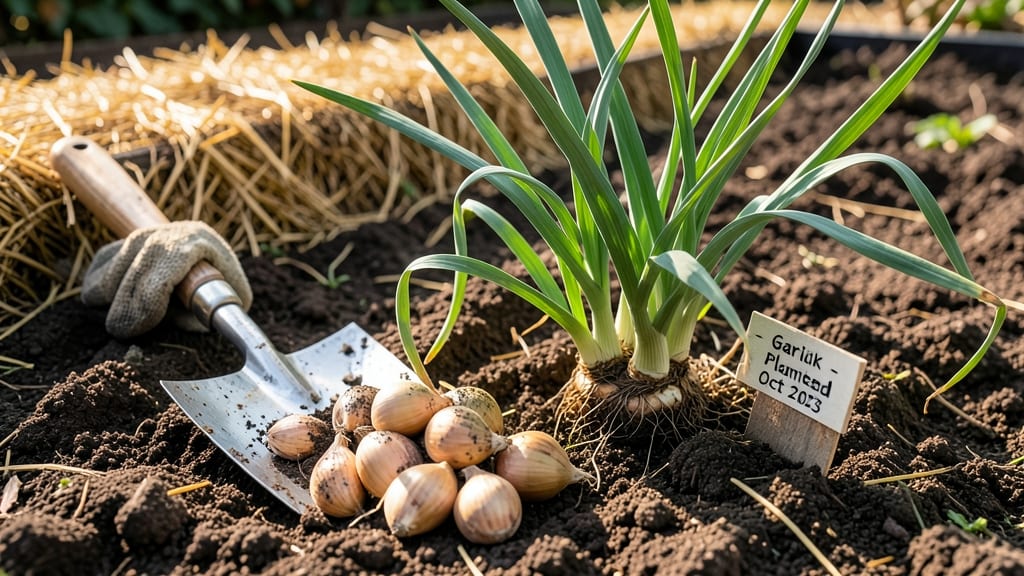
Planting garlic at the wrong time in Zone 8 can mean the difference between plump, flavorful bulbs and disappointing harvests—so timing matters more than you think. Whether you're growing hardneck or softneck 🧄, getting the schedule right is the key to a bountiful harvest.
In Zone 8, where winters are mild but still chilly enough for hardnecks, the optimal window opens in October and closes by November. This timing ensures your garlic gets the cold exposure it needs without risking frost damage.
For softnecks, which handle warmth better, you've got a little more flexibility—planting can stretch into December if you're in a coastal area.
But here's the catch: skipping soil prep or misjudging your microclimate can sabotage even the best timing. I'll show you exactly how to adjust for your specific Zone 8 conditions, from coastal to inland, so you can maximize those bulb sizes.
Let's dive into the game-changer details that make all the difference.
You'll discover why hardnecks need that early cold snap, how to tell when your soil is ready, and the simple tricks that prevent common Zone 8 mistakes.
By the end, you'll have a clear plan to plant your garlic at the perfect moment for your location—so you can enjoy those homegrown cloves all summer long.
Zone 8 garlic planting calendar: hardneck vs softneck timing explained
If you've ever planted garlic in Zone 8 only to end up with puny bulbs or bolting plants, timing is likely the culprit. Unlike cooler climates, Zone 8's mild winters create a delicate balance—too early and your hardnecks won't get enough cold, too late and softnecks may never mature.
The key difference? Hardnecks need winter chill to form bulbs, while softnecks thrive in warmer conditions and can even be planted later in the season.
For most of Zone 8, the ideal planting window stretches from October through November for hardnecks, while softnecks have more flexibility until December. However, coastal areas like San Diego can push softneck planting into January, while inland desert regions should plant by October.
The soil temperature is your best guide—aim for 40–60°F for hardnecks and 55–65°F for softnecks.
| Garlic Type | Ideal Planting Window (Zone 8) | Key Environmental Trigger | Soil Temp Requirement | Bulb Maturity Timeline |
|---|---|---|---|---|
| Hardneck | October–November (6–8 weeks before first hard frost) | 40–60°F soil temps + 60+ days below freezing | 40–50°F | Late June–July |
| Softneck | October–December (avoid frost exposure) | 50–60°F soil temps | 55–65°F | August–September |
Let's break down the month-by-month schedule for Zone 8 gardeners. In October, hardnecks should be your priority—plant them as soon as soil temps drop below 60°F. This gives them enough time to establish roots before winter.
If you're in a cooler microclimate (like higher elevations), you can push planting into early November, but avoid waiting past the first frost.
For softnecks, October is still ideal, but you have until December in most of Zone 8. Coastal areas can even plant in January if soil stays warm.
The trick is to avoid frost exposure—softnecks won't form bulbs if they experience freezing temps. Use a soil thermometer to confirm temps stay above 50°F.
If you missed the fall window, don't despair—Zone 8 gardeners can try a late winter planting in January or February for a summer harvest. This works best for softnecks like 'Silverskin' or 'Artichoke', which tolerate warmer conditions. However, hardnecks planted this late will likely bolt prematurely and produce small bulbs.
One common mistake in Zone 8 is assuming all garlic behaves the same. Hardnecks like 'German White' or 'Music' need 60+ days below freezing to form bulbs, while softnecks like 'California Early' or 'Inchelium Red' can mature without cold.
Check your seed packet—if it says "requires vernalization," it's a hardneck and needs winter chill.
Pro tip: If your Zone 8 winter is too mild (like in Phoenix or Las Vegas), hardnecks may not get enough cold. In this case, consider artificial chilling by storing cloves in the fridge for 6–8 weeks before planting in October. This mimics winter conditions and can improve bulb size.
Remember, the soil temperature is more critical than the calendar date. A soil thermometer ($10 at garden centers) will become your best friend. Plant when temps consistently stay in the 40–60°F range for hardnecks or 55–65°F for softnecks. This ensures strong root growth before winter sets in.
Finally, don't overlook regional variations within Zone 8. Coastal areas (e.g., San Diego, Los Angeles) can plant later due to milder winters, while desert regions (e.g., Phoenix, Tucson) need to plant earlier.
Always check your local frost dates—aim to plant 6–8 weeks before the first hard frost for hardnecks.
5 Critical factors that determine your Zone 8 garlic success (and how to control them)
Zone 8 garlic growers face unique challenges—the mild winters and unpredictable rainfall can turn your perfect planting plan into a disaster if you don't account for local conditions.
The key to success lies in understanding how to adjust for microclimates, prevent premature sprouting, and manage winter moisture while selecting the right varieties for your specific growing conditions. Let's break down what truly matters for your garlic's growth journey.
First, recognize that not all Zone 8 areas are created equal. Coastal regions like San Diego can plant garlic as late as December, while inland areas like Phoenix need to get cloves in the ground by October.
This regional difference alone can mean the difference between plump bulbs and disappointing harvests. The solution? Use a soil thermometer to verify when temperatures consistently drop below 40°F for hardneck varieties.
Coastal Zone 8 (e.g., San Diego) can plant later (Dec) than inland areas (e.g., Phoenix, Oct). Use a soil thermometer to confirm 40°F+ for hardnecks.
Store garlic in the fridge for 2 weeks before planting to sync with winter chill. Avoid planting when soil temps exceed 60°F.
Zone 8's wet winters cause rot. Plant on raised beds or slopes with 12+ inches of organic matter to improve drainage.
Hardnecks (e.g., 'Music') need cold; softnecks (e.g., 'Artichoke') tolerate warmth. Check your seed packet's 'days to maturity'—longer = later planting.
Use 4–6 inches of straw after planting to insulate bulbs from freeze-thaw cycles. Remove mulch in spring to prevent disease.
Let's talk about variety selection—this is where many Zone 8 gardeners go wrong.
While the calendar suggests planting times, your garlic's success hinges on choosing varieties that match your local climate. Hardneck varieties like 'German White' and 'Music' require consistent cold temperatures to form bulbs, while softneck varieties like 'Silverskin' and 'Artichoke' can tolerate warmer winters.
Always check the 'days to maturity' on your seed packet—longer days mean you can plant later in the season.
One of the most common mistakes in Zone 8 is ignoring winter rainfall. Unlike drier climates, Zone 8's wet winters can lead to rotten bulbs if your soil doesn't drain properly. The solution? Prepare your beds with 12+ inches of organic matter like compost or aged manure before planting.
For extra protection, consider planting on a slight slope or in raised beds to ensure excess water drains away from your garlic cloves.
Finally, don't underestimate the power of proper mulching. In Zone 8, where temperatures can fluctuate wildly between day and night, mulch acts as a thermal buffer. Apply 4–6 inches of straw after planting to protect your garlic from freeze-thaw cycles.
Just remember to remove the mulch in spring to prevent disease buildup and allow the soil to warm up properly for growth.
By focusing on these five critical factors—microclimate awareness, pre-sprouting prevention, drainage management, variety selection, and proper mulching—you'll be well on your way to growing the largest, most flavorful garlic bulbs your Zone 8 garden has ever seen. 🌱