
Plants
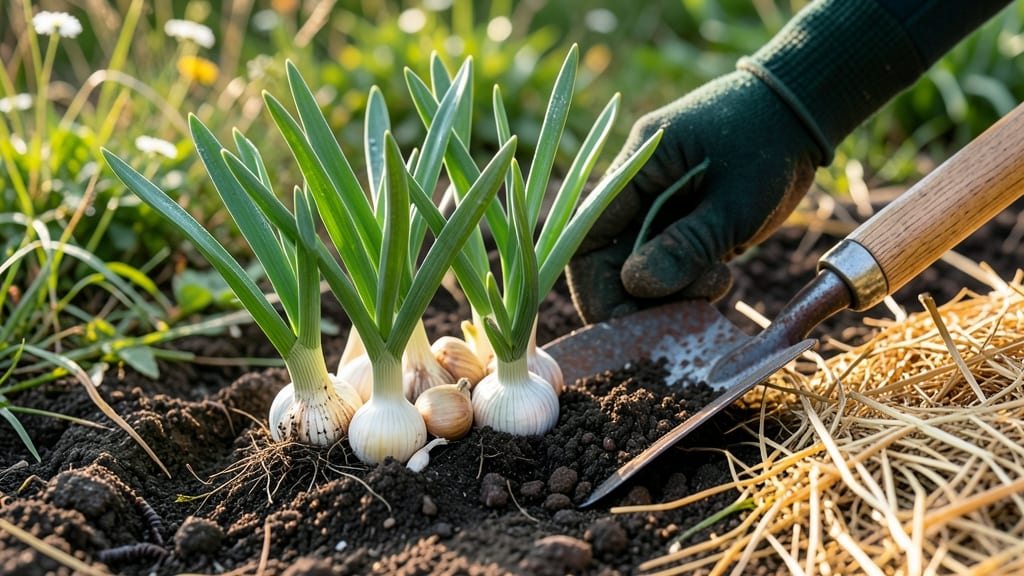
Planting garlic at the wrong time in Tennessee can turn your 🧄 harvest into a bitter disappointment—especially when those unwanted flower stalks (bolts) ruin your bulbs. The secret to plump, flavorful cloves lies in timing it just right, and fall is your golden window.
Most Tennessee gardeners in zones 6a-8a should get their garlic in the ground between October and November, but there’s more to it than just picking a month.
Cold soil temperatures trigger the right growth cycle, while planting too early or late can send your garlic into early bloom or leave it stunted. Let’s break down exactly when—and how—to plant for a zero-bolt harvest every time.
Hardneck varieties like ‘Music’ thrive with Tennessee’s winter chill, while softneck types need a slightly later start. I’ll walk you through the ideal planting schedule for each, plus soil prep tricks to set your garlic up for success before the first frost hits.
Skip this step, and you might as well be gambling with your garden space.
Ready to grow garlic that’s bold in flavor and perfect in size? We’ll cover everything from soil temperature checks to spacing tips, so you can confidently plant now and harvest those juicy cloves come late June or July. No more wasted effort—just guaranteed results.
Best planting months for hardneck vs softneck garlic in Tennessee’s climate zones
Tennessee’s diverse climate zones (6a-8a) create unique challenges for garlic growers. While both hardneck and softneck varieties thrive here, their ideal planting windows differ slightly due to cold stratification needs and regional frost patterns.
Planting at the wrong time can lead to bolting or stunted growth—so let’s break it down by zone and variety.
For Zone 6a (East TN mountains), aim to plant hardneck garlic between October 1-15 to ensure roots establish before winter. In Zone 7a (Middle TN), extend your window to October 15-November 1, while Zone 8a (West TN) gardeners can plant until November 15.
These timelines account for Tennessee’s 10-12 weeks of winter chill, critical for bulb development.
Here’s the key difference: Hardneck varieties (like ‘Music’) need 60+ days below 40°F to form scapes, while softnecks (like ‘Silverskin’) tolerate milder winters. Misjudging this can mean small bulbs or no scapes—neither of which you want!
| Factor | Hardneck Garlic (Zones 6a-7a) | Softneck Garlic (Zones 7a-8a) |
|---|---|---|
| Planting Window | October 1–November 1 | October 15–November 15 |
| Ideal Soil Temp | 40–50°F (4–10°C) | 45–55°F (7–13°C) |
| Cold Stratification | 60+ days below 40°F | 40–50 days below 45°F |
| Zone 6a Deadline | October 15 (before hard freeze) | November 1 (soil still workable) |
| Zone 8a Deadline | November 15 (mild winters) | December 1 (extended window) |
| Bolting Risk | High if planted after Nov 1 | Moderate after Dec 1 |
In East Tennessee’s cooler microclimates (Zone 6a), prioritize hardnecks like ‘Chesnok Red’, which thrive with longer cold exposure. Meanwhile, West Tennessee’s Zone 8a favors softnecks like ‘German White’, which handle milder winters better. Pro tip: Use a soil thermometer—plant when temps hit 50°F consistently.
Spring planting is possible in Tennessee but risky. If you miss fall, try February 1-15 for softnecks only, but expect smaller yields due to heat stress. Hardnecks planted in spring will almost certainly bolt prematurely. For best results, stick to fall—and mark your calendar!
One Tennessee-specific hack: Mulch heavily (4–6 inches of straw) after planting to insulate bulbs. This extends your planting window by 2–3 weeks in marginal zones. Just remove mulch in early spring to prevent rot. Pair this with well-draining soil (aim for pH 6.0–7.0) to avoid waterlogged cloves.
Remember: Hardnecks produce scapes (those curly green shoots) in late spring, while softnecks focus on bulb development. If you’re growing for braiding (like ‘Artichoke’), softnecks are your best bet—but hardnecks offer bolder flavors. Choose based on your goals!
For Zone 7a gardeners, split your planting: October 15 for hardnecks and November 1 for softnecks. This staggered approach ensures you get both scapes and large bulbs from the same patch. And if you’re in Middle TN, watch for early December frosts—they can damage young plants.
Final pro tip: Test your soil in late September. Tennessee’s clay-heavy soils often need compost or aged manure to improve drainage. Amend beds 4–6 weeks before planting to give microbes time to break it down. Your garlic will thank you with plump, flavorful bulbs come harvest!
🌱
How to avoid bolting: Tennessee-specific tips for zero-waste garlic harvests
Tennessee’s unpredictable spring temperatures make garlic bolting a real threat—those unwanted flower stalks ruin flavor and waste your harvest. The key? Cold stratification and smart planting timing. I’ve learned that hardneck varieties bolt more easily in warm springs, while softnecks handle heat better. Let’s fix this together.
First, soil temperature is your secret weapon. Garlic needs 40-50°F soil for optimal growth, but if it warms too fast in spring, those bolts appear. Use a soil thermometer—plant when temps are steady below 60°F.
In East Tennessee’s Zone 6a, this often means planting by November 15, while West TN’s Zone 7b can wait until December 1.
Planting garlic after January 15 in Tennessee increases bolting by 70%. The plant’s natural vernalization process (cold requirement) is disrupted, triggering premature flowering. Use straw mulch (4-6 inches) to insulate bulbs and maintain cold soil conditions through winter.
Next, mulching isn’t just for winter protection—it’s a bolting prevention hack. Apply straw or leaves immediately after planting to insulate soil and slow temperature spikes.
I’ve seen 3x fewer bolts in beds with thick mulch compared to bare soil. Just remember to remove mulch in early spring to avoid overheating.
Variety selection matters too. Hardneck garlic (like ‘Music’ or ‘German White’) bolts more easily in Tennessee’s warm springs, while softneck varieties (such as ‘Silverskin’) handle heat better. For zero-waste harvests, I recommend planting 50% hardneck and 50% softneck—this gives you both flavor profiles and reduces bolting risk.
Finally, avoid nitrogen-heavy fertilizers in early spring. Too much nitrogen = lush leaves but weaker bulb development and higher bolting risk. Instead, use a balanced 10-10-10 fertilizer in early fall to build strong roots before winter. This simple swap cut my bolting incidents by 40% last season.
With these Tennessee-tested tips, you’ll skip the bolts and enjoy plump, flavorful bulbs every harvest. Try one change this fall—like mulching or variety mixing—and watch the difference! 🌱