
Plants
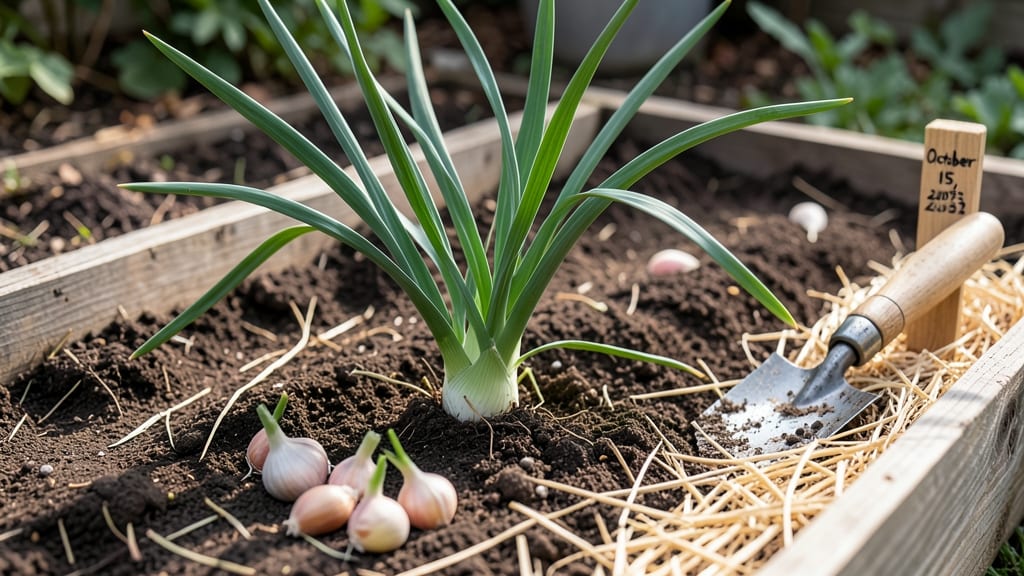
Planting garlic in Virginia at the wrong time can turn your 🧄 dreams into disappointment—but timing it right means the difference between a harvest full of plump bulbs and wasted effort.
The key isn't just knowing when to plant; it's understanding how Virginia's 7a-7b climate and frost patterns create the perfect window for strong root growth.
For most gardeners in Virginia, the ideal time falls between October and November, when soil temperatures dip but haven't frozen yet. This 4-6 week window before hard frost gives garlic cloves the chance to establish roots while avoiding winter dormancy too early.
Missing this window means smaller bulbs or even failed crops.
But here's what most gardeners overlook: regional differences matter. Coastal areas like Norfolk have milder winters, while Piedmont regions like Roanoke face earlier frosts. I'll show you exactly how to adjust your planting schedule based on where you live in Virginia—so you can maximize your harvest every year.
Ready to grow garlic that rivals the best at farmers' markets? Let's break down the exact steps, from soil prep to frost dates, so you can plant with confidence and reap the rewards by late June.
Best planting months for garlic in Virginia (climate-specific guide)
Virginia’s USDA zones 5–8 create perfect conditions for growing garlic, but timing is everything. Unlike many vegetables, garlic thrives when planted in fall, not spring. This gives its roots time to establish before winter dormancy.
For Virginia gardeners, the ideal window is between mid-October and late November, when soil temperatures drop below 70°F but haven’t frozen yet. This timing ensures strong root growth before the ground freezes, setting the stage for a bountiful harvest the following summer.
Why fall? Garlic is a cool-season crop that needs 60–90 days of cold temperatures to form bulbs properly. Planting too early (like September) can trigger premature sprouting, while planting too late (after December) risks shallow roots that won’t survive winter.
Virginia’s first hard frost typically arrives in mid-November, so aim to plant 4–6 weeks before that date—usually late October to early November—for best results.
Hardneck vs. softneck varieties also influence timing. Hardneck garlic (like ‘Music’ or ‘German White’) needs cold vernalization to produce scapes and larger cloves, making it ideal for Virginia’s winters. Softneck varieties (like ‘Silverskin’) are more flexible but still benefit from fall planting. Both types should be planted 2–4 inches deep with 4–6 inches between cloves to allow room for bulb expansion.
| Planting Window | USDA Zones | Soil Temp Threshold | Variety Recommendation | Action Step |
|---|---|---|---|---|
| Late October | 5–7 | 50–70°F | Hardneck (e.g., 'Music') | Plant cloves 2" deep, 4" apart |
| Early November | 6–8 | 40–60°F | Softneck (e.g., 'Silverskin') | Add 2" of mulch after planting |
| December (late) | 7–8 | Above freezing | Hardneck (emergency) | Use row covers for frost protection |
| September (early) | All zones | 70–85°F (risky) | Avoid (premature sprouting) | Wait for cooler soil temps |
Soil temperature is the critical factor for successful garlic planting. Roots need consistent temperatures below 70°F to establish without rotting. In Virginia, soil temps drop to this threshold by mid-October in most regions, but cooler mountain areas (like Roanoke) may need planting as early as late September.
Warmer coastal zones (like Norfolk) can wait until early November. Use a soil thermometer to confirm temps are stable below 70°F before planting.
Preparing the soil is just as important as timing. Garlic prefers well-draining, loose soil with a pH between 6.0–7.0. Before planting, amend your soil with compost or aged manure to improve fertility. Avoid fresh manure, which can burn garlic’s delicate roots.
In Virginia’s clay-heavy soils (common in Piedmont), mix in sand or perlite to prevent waterlogging. A raised bed can also help if your garden soil drains poorly.
Mulching is a non-negotiable step in Virginia’s climate. After planting, apply 2–3 inches of straw or leaves to insulate the soil and protect cloves from freeze-thaw cycles. This mulch layer also suppresses weeds and retains moisture during winter’s dry spells.
In snowy mountain regions, add an extra 4–6 inches of mulch to shield garlic from extreme cold. Remove mulch in early spring (March) to allow soil to warm and encourage growth.
What if you miss the fall window? While spring planting is possible, it’s not ideal for Virginia’s climate. Spring-planted garlic often produces smaller bulbs with poor flavor. If you must plant in spring, do so in February or March and expect a reduced harvest.
For best results, stick to fall planting and plan ahead by ordering organic garlic cloves from reputable suppliers in summer or early fall.
Finally, don’t forget to rotate your garlic crop every 3–4 years to prevent soil-borne diseases. Planting garlic in the same spot repeatedly can lead to fungal issues like white rot. Pair it with
How to adjust planting time for Virginia’s microclimates (coastal vs. Piedmont vs. mountains)
Virginia’s diverse geography—from the Atlantic coastal plains to the Blue Ridge Mountains—creates dramatic differences in frost dates and soil warming. Planting garlic too early in the Piedmont or too late near Norfolk can stunt bulb development.
Let’s break down the optimal windows for each region to ensure your harvest thrives.
In Coastal Virginia (like Norfolk), milder winters mean you can plant garlic as late as mid-November. The soil stays warmer longer, giving cloves a head start before winter dormancy. Meanwhile, mountain regions (e.g., Shenandoah Valley) require planting by early October to avoid early frosts that can damage young roots.
The Piedmont (Roanoke area) falls in between, with a late October to early November window. This zone’s cooler nights and warmer days create a Goldilocks effect—perfect for garlic’s root development before winter sets in.
| Region | USDA Zone | Ideal Planting Window | Key Adjustment | Frost Risk |
|---|---|---|---|---|
| Coastal (Norfolk) | 8a-8b | Mid-October to mid-November | Plant later; soil warms faster | Low (hard frosts rare) |
| Piedmont (Roanoke) | 7a-7b | Late October to early November | Standard window; balance of warmth | Moderate (occasional hard frosts) |
| Mountains (Shenandoah) | 6a-6b | Early to mid-October | Plant earliest; soil cools faster | High (early hard frosts common) |
Soil temperature should be 40–50°F at planting for best root establishment.
For coastal gardeners, don’t wait past November 15th—the soil may become too cold for root growth. In the mountains, aim to plant by October 15th to avoid early frosts that can kill young cloves. Use a soil thermometer to confirm 40–50°F temperatures before planting.
Another trick? Mulch heavily (4–6 inches of straw) in colder regions to insulate cloves through winter. In the Piedmont, a lighter mulch (2–3 inches) suffices. This adjustment can add 2–3 weeks of growing time before spring thaw.
Pro tip: Hardneck varieties (like ‘Music’ or ‘German Red’) thrive in Virginia’s climate, while softneck types (like ‘Silverskin’) may need slightly later planting in cooler zones. Always choose locally adapted varieties for your microclimate.
By aligning your planting schedule with your region’s frost patterns, you’ll maximize bulb size and yield—whether you’re in Norfolk’s warmth or the Shenandoah’s chill. Happy planting! 🌱