
Plants
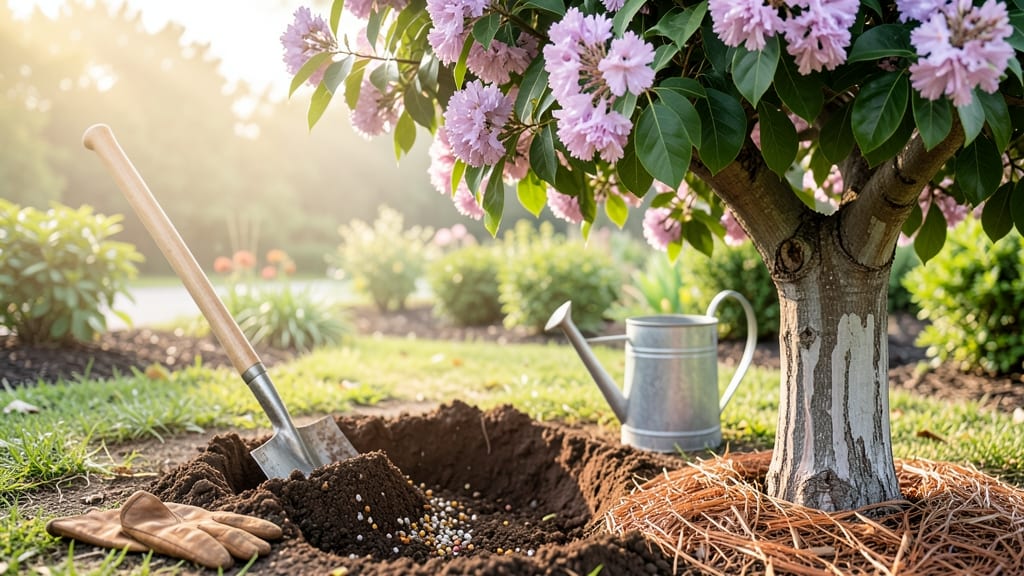
Planting your crepe myrtle 🌸 at the wrong time in North Carolina’s USDA Zones 7-8 could mean stunted growth—or worse, losing your tree before it even takes root.
The difference between a thriving specimen and a struggling one often comes down to those critical weeks after planting, when soil temperatures and frost risks make or break your success.
Most gardeners in NC know spring is the prime window, but did you know planting too early—before the last frost—can leave your crepe myrtle vulnerable to cold stress? Or that fall planting has its own set of challenges, especially with the region’s unpredictable weather patterns?
I’ll break down the exact timing you need to give your tree the best shot at strong, deep roots before summer’s heat arrives.
Whether you’re working with bare-root saplings or container-grown plants, the right approach depends on your specific microclimate—whether you’re in the Piedmont’s cooler valleys or the Coastal Plain’s warmer stretches.
You’ll learn how to prepare your soil, when to water (and when to hold back), and even how mulching can protect your investment during those first 60 critical days.
Let’s get your crepe myrtle off to the right start—because once you plant at the perfect moment, you’ll be rewarded with vibrant blooms and a tree that thrives for decades. Ready to make this your best planting season yet?
Best planting months for crepe myrtle in NC’s zones 7-8: avoiding frost and heat stress
North Carolina’s USDA Zones 7-8 offer perfect conditions for crepe myrtles, but timing your planting is everything. These trees thrive with 210 frost-free days, but planting too early risks frost damage, while planting too late means struggling through summer heat before roots establish.
The ideal window balances soil warmth and moisture—critical for young roots.
In the Piedmont region, average last frost dates hover around March 15, while coastal areas like Wilmington may see frost-free conditions by February 20. This microclimate difference means your planting timeline should shift 2-3 weeks earlier near the coast compared to Raleigh or Asheville.
Understanding these variations helps you avoid common mistakes like root shock from cold soil or heat stress from summer planting.
| Region | Best Planting Month | Soil Temp Threshold | Key Consideration |
|---|---|---|---|
| Piedmont (Raleigh, Greensboro) | Late April - Early May | 60°F+ consistently | Avoid late frosts (avg. last frost: March 15) |
| Coastal (Wilmington, Morehead City) | Mid-March - Late April | 55°F+ consistently | Warmer microclimate allows earlier planting |
| Mountains (Asheville, Boone) | Early May - Early June | 65°F+ consistently | Later frost dates (avg. last frost: April 1) |
| Fall Alternative | September - Early October | 60°F+ soil temp | 6-8 weeks before first frost |
For spring planting, aim for late April to early May in the Piedmont—when soil temperatures consistently stay above 60°F. This gives roots 60-90 days to establish before summer heat arrives.
In coastal areas, you can push planting to mid-March thanks to warmer microclimates, but always check your local NC State Extension frost maps for precise dates.
Fall planting is a viable alternative in NC’s Zones 7-8, offering a second chance to get crepe myrtles in the ground. Plant 6-8 weeks before your first frost (typically September to early October), ensuring roots have time to establish before winter dormancy.
Fall-planted trees often show faster growth the following spring because they focus energy on root development rather than foliage.
One common mistake is planting crepe myrtles in June or July, when summer heat is already intense. Young trees struggle to establish roots in 90°F+ soil temperatures, leading to transplant shock and poor survival rates.
If you must plant in summer, choose early June, provide extra mulch, and water deeply every 3-4 days to help roots adapt.
Container-grown crepe myrtles offer more flexibility for timing, as their roots aren’t disturbed by soil temperature changes. You can plant these 2-3 weeks earlier than bare-root trees, giving them a head start. However, avoid planting containers when soil temps drop below 50°F, as cold stress can still damage roots.
For container planting, late March to early April works well in most of NC’s Zone 7-8 regions.
Monitor your local NC State Climate Office for real-time updates on frost risks and soil temperatures. Their agroclimate maps provide hyper-local data that’s more accurate than general USDA zone guidelines.
For example, a 30-mile difference in elevation between Raleigh and Durham can shift optimal planting dates by 1-2 weeks—so always check before digging.
After planting, prioritize deep watering (1-2 gallons per tree) to encourage root growth into the surrounding soil. Use 3-4 inches of mulch to retain moisture and regulate soil temperature.
In the first year, crepe myrtles need consistent moisture—especially in NC’s clay-heavy soils, which can bake hard in summer heat.
Remember: The goal is to give your crepe myrtle a strong root system before summer stress or winter dormancy sets in. With the right timing, these trees will reward you with vibrant blooms for decades—making the effort absolutely worth it. 🌸
How to prepare crepe myrtle for NC’s summer heat: soil, watering, and mulching strategies
North Carolina’s clay-heavy soils and intense summer heat can stress young crepe myrtles if not prepared properly. The first 60 days after planting are critical for root establishment, especially when temperatures climb above 85°F.
Without proper soil prep and moisture retention, your tree may struggle to thrive during NC’s humid summers.
Before planting, I always test my soil’s drainage and pH. Crepe myrtles prefer slightly acidic to neutral soil (6.0-7.0). If your soil is heavy clay, amending it with compost or sand improves aeration.
A simple percolation test—digging a 12-inch hole and filling it with water—helps determine drainage speed. If water pools, you’ll need to add organic matter.
Here’s the key: Mulch and watering work together to protect your crepe myrtle. Mulching with 3-4 inches of wood chips or pine straw keeps soil temperatures stable and reduces evaporation. But timing matters—apply mulch after planting and keep it 3-4 inches away from the trunk to prevent rot.
⚠️ callout warning
Crepe myrtles hate soggy roots. In NC’s heat, overwatering leads to root rot faster than drought stress. The first 2 weeks are critical—water deeply 2-3 times per week only if the top 2 inches of soil feel dry. After that, reduce to once a week unless temperatures exceed 90°F.
Pro Tip: Use a moisture meter or stick your finger 2 inches deep—if dry, water slowly until it runs out the drainage holes.
For container-grown crepe myrtles, adjust your approach. Containers dry out 3x faster than in-ground plantings. I recommend using fast-draining potting mix with perlite and watering every 2-3 days during summer. Elevate containers slightly to improve drainage and prevent waterlogging.
Don’t forget to prune dead or crossing branches before summer. This reduces water loss and helps the tree focus energy on root growth. I prune mine in late winter or early spring, but a light cleanup after planting also helps. Just avoid heavy pruning—save that for dormant season.
Finally, monitor for pests like aphids or spider mites, which thrive in NC’s heat. A strong water stream or neem oil spray keeps them at bay without harming your tree. With these strategies, your crepe myrtle will establish roots and bloom beautifully through NC’s summers.