
Plants
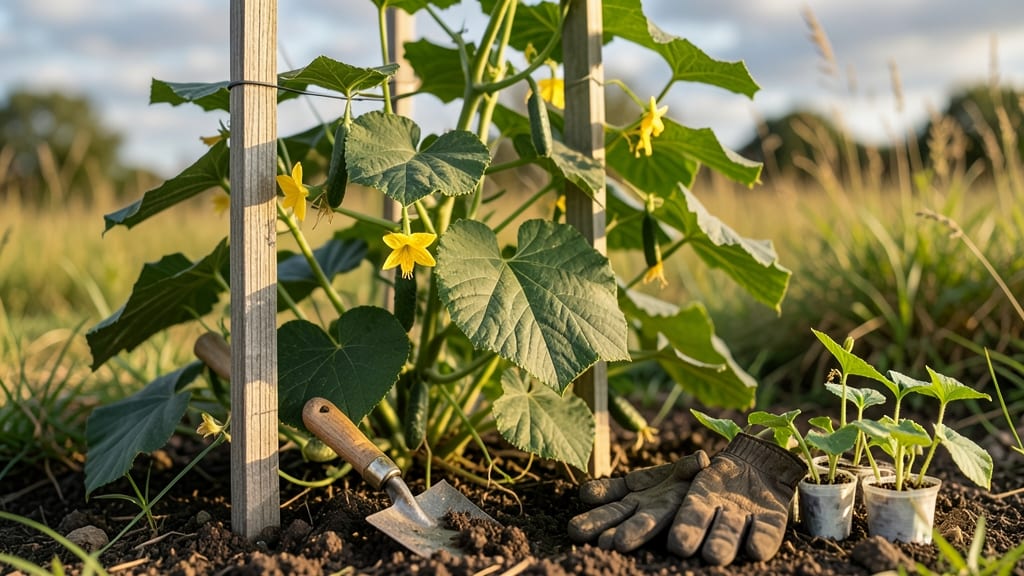
Planting cucumbers 🥒 at the wrong time in Pennsylvania can mean the difference between a garden overflowing with crisp, homegrown veggies and a sad investment in seeds that never thrive. With the state's USDA Zones 5b-7a bringing everything from chilly Appalachian mornings to sweltering river valley afternoons, timing is everything.
Most gardeners wait until after the last frost—typically mid-April to early June—but that's just the starting point. The real secret lies in soil temperature: cucumbers won't germinate properly until the ground reaches a steady 60°F, and nighttime temps should stay above 50°F to prevent shock.
Even in the same zone, a valley garden might be ready weeks before a mountain slope.
In this guide, I'll break down the exact windows for your specific corner of Pennsylvania, whether you're growing in containers or in-ground plots. You'll also discover how to stretch your harvest season with simple techniques that work even when summer starts to fade.
Let's get those cucumbers growing the right way.
From choosing the perfect variety for your microclimate to avoiding common mistakes that derail harvests, we'll cover everything you need to know. By the end, you'll be planting with confidence—and reaping the rewards all summer long.
Pennsylvania cucumber planting dates by USDA Zone and microclimate
Timing is everything when growing cucumbers in Pennsylvania. The state spans USDA Zones 4-7, where last frost dates can vary by weeks—even just miles apart.
In Zone 4 mountains like the Poconos, you might wait until mid-May, while Zone 7 valleys like Pittsburgh could start as early as late April. These differences mean your neighbor’s bumper crop might be your frost-killed seedlings.
For optimal cucumber growth, focus on two critical thresholds: soil temperature (minimum 60°F) and nighttime lows (consistently above 50°F). Cold soil stunts roots, while chilly nights slow fruit set.
Pennsylvania’s microclimates—like urban heat islands or sheltered garden spots—can shift these windows by 1-2 weeks. Let’s break it down by zone and local conditions.
| USDA Zone | Last Frost Date | Direct Sow Window | Transplant Window | Soil Temp Threshold | Microclimate Notes |
|---|---|---|---|---|---|
| Zone 4 (Poconos, NE PA) | Mid-May | Late May - Early June | Early June | 60°F+ (wait for 70°F) | Mountain valleys warm faster; use row covers. |
| Zone 5 (Central PA) | Early May | Early May - Mid-June | Late May | 60°F+ | River valleys (e.g., Susquehanna) plant 1 week earlier. |
| Zone 6 (Southwest PA) | Late April | Late April - Early June | Early May | 60°F+ | Urban areas (Pittsburgh) may need black plastic mulch. |
| Zone 7 (Delaware Valley) | Early April | Early April - Late May | Mid-April | 60°F+ (earlier starts risk frost) | Warmest zone; succession plant every 2 weeks. |
If you’re direct sowing seeds, wait until 2 weeks after your average last frost to avoid cold soil. For transplants, harden them off first—especially in Zone 4—since young plants struggle with 50°F nights.
I’ve had my bush varieties thrive in containers on patios, while vining types need trellises and warmer microclimates.
For mountain gardens, like those in the Lackawanna County area, use row covers to warm soil faster. In valleys, like the Allegheny River basin, you can start 1-2 weeks earlier thanks to urban heat islands.
Test your soil with a thermometer—cucumbers won’t germinate below 60°F, and roots suffer below 55°F.
Pro tip: Succession plant every 2 weeks in Zones 6-7 for continuous harvests. I’ve extended my season by 3 weeks using black plastic mulch to raise soil temps by 5-10°F.
For container growers, move pots to sunniest spots during cool mornings—even a 10-foot difference in elevation can mean 5°F warmer soil.
Watch for false springs, where warm days trick you into planting, only for a late frost to hit. Check Penn State Extension’s frost maps or use local weather stations like those at Pittsburgh International Airport for reliable data.
I once lost a $20 seed packet because I ignored a 32°F dip in early May—don’t make that mistake!
For heat-tolerant varieties, like ‘
How to extend your Pennsylvania cucumber season with smart techniques
Pennsylvania’s short growing season can feel like a race against time for cucumber lovers. But with the right strategies, you can stretch your harvest from early summer all the way into fall.
The key is combining season-extension tools, heat-tolerant varieties, and succession planting to beat back frost and heat stress. I’ve tested these methods in my own garden in USDA Zone 6b, and they’ve added 4-6 extra weeks of productive vines.
Start by choosing cold-hardy varieties that thrive in Pennsylvania’s 50-85°F temperature swings. Pair them with protective gear like row covers or low tunnels, which can raise soil temps by 5-10°F and delay frost damage.
Even in cooler microclimates like the Poconos, these techniques work—just adjust timing based on your last frost date (typically mid-April in valleys to late May in mountains).
🌱 Top 5 PA-Adapted Cucumber Varieties for Extended Harvests
- 1. 'Sweet Success' – Bush variety (3-4 ft), heat-tolerant, 55-60 days to harvest. Ideal for late June plantings in containers or small spaces.
- 2. 'Straight Eight' – Classic slicing cucumber, 65-70 days, thrives in full sun. Perfect for early May sowing with row covers.
- 3. 'Marketmore 76' – Disease-resistant, 58 days, loves warm soil. Plant in late April under cloches for a jumpstart.
- 4. 'Lemon Cucumber' – Unique flavor, 60 days, tolerates partial shade. Great for succession plantings every 2 weeks.
- 5. 'Armenian' (Snake Cucumber) – Drought-tolerant, 70 days, thrives in hot summers. Plant in early July for fall harvests.
💡 Pro Tip: Pair 'Sweet Success' with 'Straight Eight' for a 3-month harvest window—start the bush variety first, then add vining types.
For maximum extension, combine succession planting with seasonal layering. Sow your first batch 2-3 weeks after your last frost (usually late April-early May), then add 2-3 more plantings every 10-14 days until mid-July.
This keeps cucumbers maturing at different rates, ensuring a steady supply. In my garden, this method added 6 weeks to my harvest compared to a single planting.
Don’t overlook passive season extenders like black plastic mulch or straw bales, which can warm soil by 10-15°F and delay frost damage. I’ve seen cold frames (unheated) push harvests into early November in Zone 6—just remove the frame when temps drop below 40°F.
For urban gardeners, row covers (like Reemay) are lightweight and easy to install over trellises.
Heat stress is just as deadly as frost for cucumbers. If summer temps climb above 90°F, provide afternoon shade cloth (30-50% shade) to prevent blossom drop and bitter fruit.
I’ve also had success with drip irrigation timed for early morning—this keeps foliage dry and reduces powdery mildew, a common PA problem. Mulch with straw or grass clippings to retain moisture and cool roots.
Finally, time your last planting for early July—this gives cucumbers 8-10 weeks to mature before frost. Choose fast-maturing varieties like 'Bush Champion' (50 days) or 'Corinto' (60 days) for these late sowings.
With these techniques, I’ve harvested cucumbers until mid-October in Zone 6b, even when nighttime temps dipped into the 40s. 🌿