
Plants
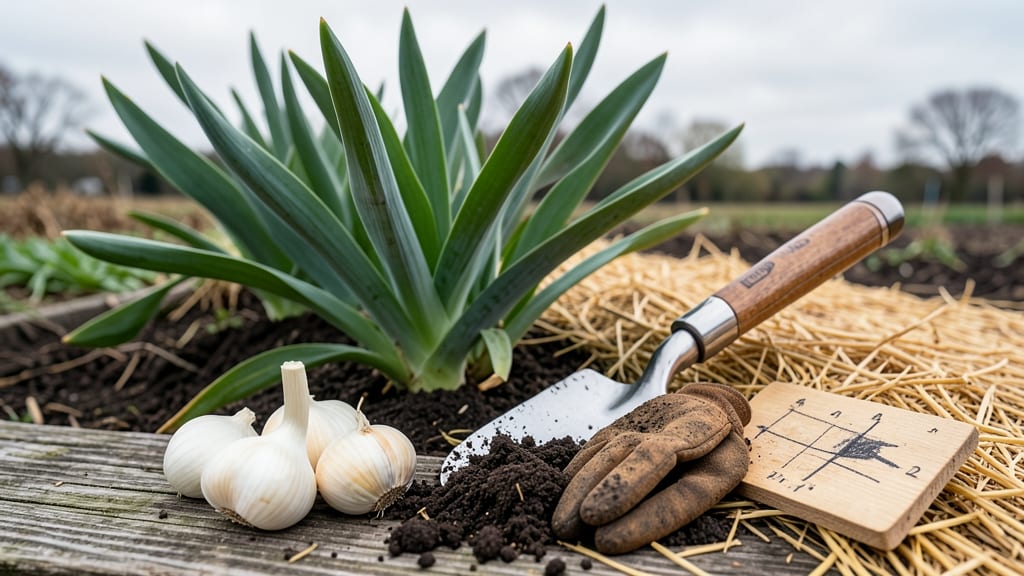
Planting garlic in Colorado isn't just about timing—it's about outsmarting the state's unpredictable frost cycles and high-altitude quirks to grow the biggest, boldest bulbs possible. The right window transforms your garden into a flavor factory, while a misstep could leave you with nothing but disappointment by harvest season.
For Colorado gardeners in zones 5-7, the ideal planting window is narrow but critical: mid-October to early November for most varieties, with hardneck garlic needing to establish roots before the ground freezes solid.
This isn't just a guess—it's rooted in science, accounting for Colorado's 120 frost-free days and the fact that garlic needs cold to form proper bulbs.
I've spent years perfecting this schedule, and what I'm about to share will help you avoid the three biggest mistakes Colorado gardeners make—planting too early (leading to rot), too late (resulting in tiny bulbs), or ignoring soil prep that makes all the difference in our thin, rocky soils.
Let's dive into the exact schedule that works for your elevation, whether you're in Denver's urban heat or the high country's chilly air.
You'll discover how to adjust for microclimates, when to test your soil temperature, and which hardneck varieties thrive best in Colorado's climate.
By the end, you'll have a planting plan that accounts for everything from last frost dates to high-altitude adjustments—so you can finally grow garlic that rivals the best from farmers' markets.
Optimal planting windows for Colorado garlic by elevation zone
Colorado’s dramatic elevation changes—from foothills to high country—create wildly different planting windows for garlic. Hardneck varieties like Chesnok Red or German White need precise timing to form bulbs before summer heat arrives.
Plant too early, and cloves rot; too late, and you’ll harvest tiny, weak bulbs. The key? Understanding your USDA zone and frost-free dates.
Most Colorado gardeners focus on fall planting, but your exact window depends on elevation. Below, I’ve broken down the ideal planting dates for Colorado’s three zones, plus how to adjust for early/late frosts. Pro tip: Use a soil thermometer—garlic roots need 40°F soil temps to establish before winter.
For foothills gardeners (like those in Colorado Springs or Pueblo), aim to plant by October 1. The soil stays warm longer, so garlic can establish roots before winter.
In Denver or Fort Collins (mid-elevation), stretch your window to October 25, but prioritize planting by October 15 for larger bulbs. High-country gardeners (think Summit County or Steamboat Springs) have until November 1, but watch for early snow—garlic needs 60 days of cold to form bulbs.
Pro move: Mark your calendar for 6 weeks before your average first frost. This gives garlic time to sprout and develop roots before winter. For example, if your first frost is November 15, plant by October 1.
Use a moon planting calendar if you’re traditional—root crops like garlic thrive when planted during the waning moon.
Hardneck varieties need cold vernalization (40–50°F temps) to form bulbs, so don’t rush planting in milder foothills. If your winter is warmer than average, opt for early-maturing varieties like German White or Music.
In colder high-country zones, Rocambole or Purple Stripe handle the chill better. Always plant individual cloves (not whole bulbs) with the pointy end up, 4 inches deep and 6 inches apart.
One common mistake? Planting garlic in spring. While possible, spring-planted garlic rarely forms full bulbs in Colorado’s short growing season. If you miss fall planting, your best bet is softneck varieties (like Artichoke), which tolerate warmer soils but still need 6+ hours of sun.
For hardnecks, fall is non-negotiable.
To extend your window, use black plastic mulch in foothills to warm the soil or straw mulch in high country to insulate. Test your soil’s drainage—garlic hates soggy conditions. Aim for pH 6.0–7.0 and amend with compost if your soil is heavy clay.
With the right timing, your Colorado garlic will reward you with bold, flavorful bulbs—perfect for braiding or storing all winter.
Remember: The earlier you plant in fall, the larger your bulbs will be. But don’t plant so early that cloves rot in warm soil. Balance is key—especially in Colorado’s unpredictable climate. Happy planting!
How to adjust your planting schedule for Colorado’s microclimates
Colorado’s diverse landscapes—from Denver’s urban heat islands to the chilly mountain valleys—create microclimates that can shift your garlic planting window by weeks. Hardneck garlic, like 'German White' or 'Silverskin', needs 4-6 weeks of cold to form bulbs, but timing varies wildly between 5,000-foot plains and 9,000-foot valleys.
Here’s how to fine-tune your schedule for success.
First, test your soil temperature with a soil thermometer. Garlic cloves should go into 45–55°F soil—warmer than that, and they’ll rot; colder, and they’ll stall.
In Denver’s urban areas, where pavement traps heat, soil may stay too warm into November, while mountain foothills can freeze solid by October. Adjust your planting date 2–4 weeks earlier if your soil runs hot.
Don’t ignore the moon phases, either. Planting during a waxing moon (when the moon is growing) encourages root development, which is critical for garlic’s overwintering success.
Check a lunar planting calendar—aim for the first week of October in most of Colorado, but shift to late September in high-altitude zones like Fort Collins or Boulder.
- 1
- 2
- 3
- 4
For last-minute adjustments, keep an eye on the 10-day forecast. If a hard freeze (below 20°F) is predicted within 2 weeks of planting, delay by 1–2 weeks or protect cloves with row covers.
In windy plains like the Eastern Plains, garlic can dry out—water deeply before freezing to prevent desiccation.
Pro tip: Plant hardneck varieties like 'Chef’s Choice' or 'Music' in raised beds if your yard has poor drainage. Raised beds warm up faster in spring, giving you a 2-week head start on bulb development.
Just ensure the bed has organic matter (compost or aged manure) to improve water retention.
Finally, mark your calendar for harvest adjustments too. In high-altitude zones (e.g., Aspen), garlic may need 2–4 extra weeks to mature—watch for lower leaves browning (not the top!) to know it’s ready. With these tweaks, your Colorado garlic will thrive no matter where you garden.