
Plants
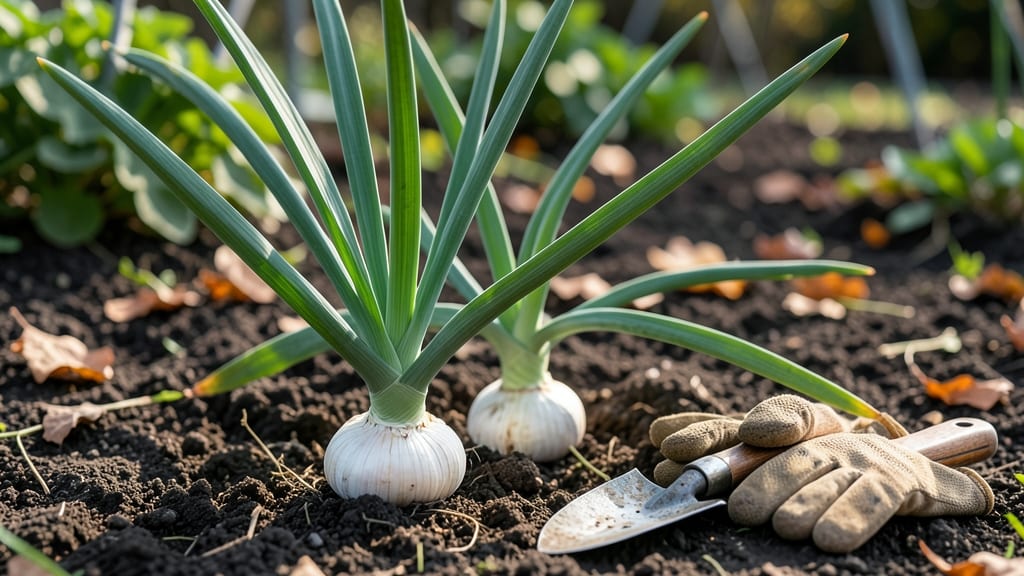
Planting garlic in Alabama at the wrong time could mean the difference between a bountiful harvest and wasted effort—especially when choosing between hardneck and softneck varieties. The key to success lies in understanding your local climate and when to put those cloves in the ground for the best results.
Most Alabama gardeners swear by fall planting, typically between October and November, when soil temperatures drop but before the first hard frost hits.
This timing gives garlic the cold period it needs to develop strong bulbs, whether you're growing hardneck varieties for those prized braided scapes or softneck types for long storage.
But here's the catch: planting too early or too late can leave your garlic vulnerable to extreme heat, pests, or even rot. I'll walk you through the exact window for your specific zone in 7b-8b, plus how to prepare your soil and protect your crop through Alabama's unpredictable winters.
Ready to grow the best garlic your neighbors have ever tasted? Let's dive into the timing, techniques, and little-known tricks that make all the difference in Alabama's unique growing conditions.
Best planting months for garlic in Alabama: hardneck vs softneck breakdown
Alabama gardeners know timing is everything when planting garlic. The state’s USDA Zones 7b-8b create a unique window where hardneck and softneck varieties thrive—but only if planted at the right time.
Hardneck garlic needs cold stratification to form bulbs, while softneck varieties are more flexible. Let’s break down the ideal planting months for each type based on Alabama’s climate.
For hardneck garlic, the sweet spot is mid-October to early November. This gives the cloves time to establish roots before winter dormancy. In contrast, softneck garlic can handle a later window of late November to early December.
Both varieties benefit from Alabama’s mild winters, but the timing ensures strong bulb development come spring.
Soil temperature plays a critical role. Aim for 50-60°F soil temps when planting—too warm and roots won’t establish; too cold and cloves may rot. In Alabama, this typically aligns with October-November for most regions. Use a soil thermometer to confirm before planting.
Frost risk is another key factor. Hardneck garlic needs 4-6 weeks of cold exposure (below 40°F) to form bulbs. Softneck varieties are more frost-tolerant but still benefit from winter chill. Planting too early (September) risks rot, while waiting until December may delay bulb formation.
Here’s how Alabama’s microclimates affect timing:
- North Alabama (higher elevations): Plant hardneck in late September to October—cooler temps arrive earlier.
- Central Alabama: Stick to mid-October to November for both types.
- Gulf Coast (warmer zones): Extend softneck planting to early December to avoid heat stress.
| Factor | Hardneck Garlic | Softneck Garlic |
|---|---|---|
| Ideal Planting Window | Mid-October to early November | Late November to early December |
| Soil Temp Requirement | 50-60°F (critical for root growth) | 50-65°F (more flexible) |
| Cold Requirement | 4-6 weeks below 40°F (essential for bulbing) | 2-4 weeks below 40°F (tolerates less chill) |
| Frost Risk Window | Plant 4-6 weeks before first frost | Plant 2-4 weeks before first frost |
| Harvest Month | April-May (earlier than softneck) | May-June (later, larger bulbs) |
| Best For Alabama | North/Central regions (cooler winters) | Gulf Coast/warmer zones (longer storage) |
Hardneck garlic, like ‘Music’ or ‘German White’, thrives in Alabama’s cooler zones. Plant these in October for a spring harvest in April. Their hardneck scapes (flower stalks) add bonus flavor to salads, making them a favorite for home gardeners.
Softneck varieties, such as ‘Silverskin’ or ‘Artichoke’, are better suited for warmer Alabama regions or late plantings. They store longer and are ideal for braiding. Plant in November-December for a May-June harvest, avoiding the heat of summer planting.
Pro tip: Mulch heavily (4-6 inches of straw or leaves) after planting to insulate bulbs during winter. This mimics Alabama’s natural leaf litter and protects against freeze-thaw cycles that can damage emerging shoots. Remove mulch in early spring to prevent rot.
Alabama’s humidity and occasional late frosts can challenge garlic growers, but the right timing minimizes risks. Hardneck varieties reward patience with robust bulbs and scapes, while softnecks offer longer storage life. Choose based on your microclimate and harvest goals—then mark your calendar for October-November planting.
🌱
How Alabama’s microclimates affect garlic planting success
Alabama’s diverse geography means garlic planting dates can vary by hundreds of miles, with North Alabama’s cooler highlands and the Gulf Coast’s milder winters creating distinct growing zones. If you plant at the wrong time, your bulbs may bolt, rot, or fail to mature.
Understanding these regional differences lets you optimize your harvest whether you’re in urban Birmingham or rural Talladega.
Garlic thrives when it experiences 40-60 days of cold temperatures below 40°F (4°C)—a process called vernalization that triggers bulb formation. In Alabama, this means planting 6-8 weeks before your first hard frost, but the exact timing shifts depending on elevation and proximity to the coast.
For example, Montgomery’s frost dates differ from Huntsville’s by nearly a month, requiring tailored strategies.
🌡️ Alabama Microclimate Planting Guide
-
🏔️ North Alabama (USDA 6b-7a)
Huntsville, Decatur, Scottsboro
Planting Window: October 1-15 (earlier for hardneck varieties)
Why? Cooler temps arrive sooner; soil freezes by November 15 -
🌊 Gulf Coast (USDA 8a-8b)
Mobile, Pensacola, Dothan
Planting Window: November 1-15 (softneck preferred)
Why? Mild winters delay cold requirements; risk of early bolting if planted too soon -
🏙️ Urban Gardens (Birmingham, Montgomery)
Heat islands + concrete
Adjustment: Plant 2 weeks later than rural areas (soil stays warmer)
Tip: Use black plastic mulch to warm soil in spring -
🏡 High-Altitude Areas (Appalachian Foothills)
Above 1,500 ft (e.g., Cullman)
Adjustment: Plant 3-4 weeks earlier (soil freezes faster)
Tip: Choose hardneck varieties like 'Chesnok Red' for cold tolerance -
🌿 Container Gardening (Balconies, Patios)
Urban or rural
Adjustment: Plant November 15-December 1 (pots cool faster)
Tip: Use 5-gallon pots with drainage; add 3" mulch
Pro Tip: Test your soil’s cold exposure by burying a thermometer at 4" deep for 7 days. Aim for 50-60 days below 40°F for optimal bulb size. 🌱
In North Alabama’s high-altitude zones, where temperatures plummet faster, gardeners often plant hardneck varieties like 'Silverskin' by early October. These types need longer cold periods to form scapes and bulbs. Meanwhile, Gulf Coast growers lean toward softneck garlic, which handles milder winters better and stores longer.
For example, Mobile gardeners can plant Artichoke garlic as late as December and still get a harvest.
Urban gardeners face unique challenges like heat-retaining concrete and limited space. To compensate, I recommend planting 2 weeks later than rural guidelines and using container gardens with extra mulch. Containers cool faster in winter, so November 15 is ideal for city balconies.
Rural farms, with their looser soil and natural insulation, can plant earlier—sometimes as early as September 15 in the Appalachian foothills.
One of my favorite tricks for Alabama gardeners is using garlic’s cold requirements to your advantage. If you live in a warmer microclimate (like USDA Zone 8b), plant two batches: one in November for a summer harvest and another in January for a fall harvest.
This staggered approach extends your growing season and reduces bolting risks. Just monitor soil temps—below 32°F (0°C) can damage cloves.
Remember, Alabama’s frost dates shift yearly, so always check the Alabama Cooperative Extension Service for updates. For instance, 2023’s early frost in Madison County caught many off guard, but adjusting planting dates by 10-14 days can prevent such surprises.
With the right timing, you’ll harvest plump, flavorful bulbs that rival commercial varieties—no matter where you garden in the state. 🧄