
Companion Plants
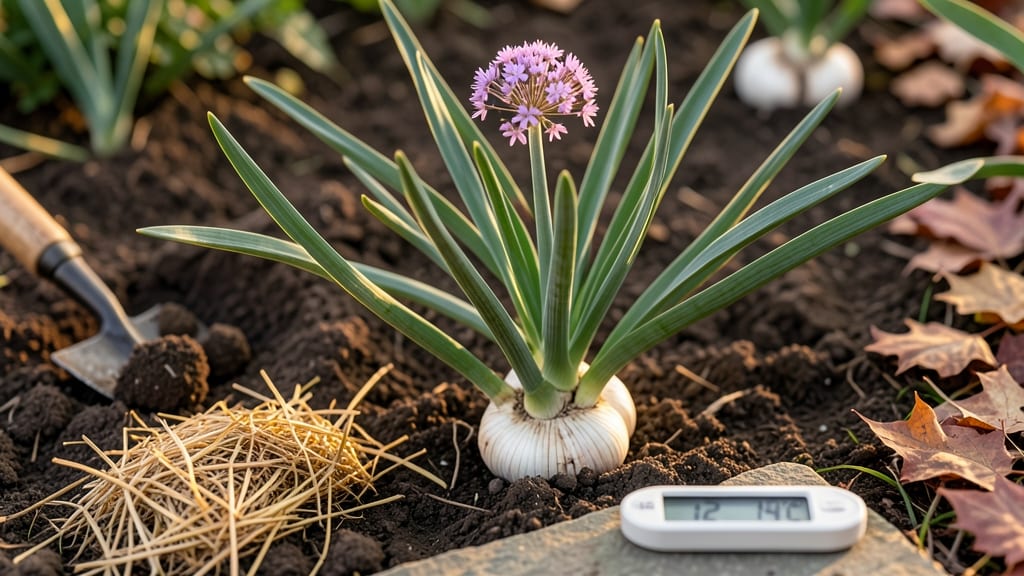
Planting garlic in Melbourne at the wrong time can mean the difference between bold, flavorful bulbs and a disappointing harvest. With Melbourne’s unique climate, timing is everything—especially when you want hardneck garlic to thrive in your garden.
Most gardeners know garlic loves cool weather, but Melbourne’s unpredictable shifts make it tricky. The best window is August to September, when soil temperatures drop and frost risks balance out. This ensures your 🧄 cloves establish strong roots before winter sets in.
Why does timing matter so much? Planting too early exposes garlic to excessive moisture, while waiting too long risks stunted growth. I’ll show you exactly how to nail the perfect schedule for Melbourne’s Zone 9b climate—plus soil prep secrets that make all the difference.
Whether you’re a seasoned gardener or just starting, these tips will help you avoid common mistakes and grow garlic that’s bigger, healthier, and ready to harvest by next December. Let’s get your garlic off to the best start!
Melbourne’s ideal garlic planting months: hardneck success timeline
Melbourne’s Zone 8/9 climate creates a unique window for planting hardneck garlic, where timing directly impacts bulb size and flavor. Unlike northern regions, Melbourne’s mild winters and warm summers allow for a narrower but critical planting period—miss it, and you risk stunted growth or poor yields.
For optimal hardneck garlic success, focus on August and early September when soil temperatures hover between 10-15°C (50-59°F). This cooler window ensures roots establish before winter dormancy, while avoiding the late-September heat that can stress young plants.
Here’s the key timeline Melbourne gardeners should follow, including soil triggers and frost considerations that separate thriving crops from disappointing harvests:
| Stage | Action | Soil Temp Trigger | Melbourne Specific |
|---|---|---|---|
| Pre-Planting Prep | Test soil pH (6.0-7.0), add compost | N/A | Use worm castings for sandy soils |
| Planting Window | Plant cloves 2" deep, 4-6" apart | 10-15°C (50-59°F) | Avoid after mid-September (heat stress) |
| Winter Dormancy | Mulch with straw (4-6") to insulate | 5-10°C (41-50°F) | Protect from frost after August 15 |
| Spring Growth | Remove mulch, fertilize lightly | 15-20°C (59-68°F) | Watch for aphids in coastal areas |
| Harvest Ready | Harvest when lower leaves brown | 20-25°C (68-77°F) | Typically December-January |
Melbourne’s first frost risk (typically mid-August) signals the last call for planting. If you delay past early September, young garlic plants may struggle to establish roots before winter sets in, leading to smaller bulbs or even complete failure in colder microclimates like the Dandenongs.
For coastal Melbourne gardeners, the window extends slightly later due to milder temperatures. Planting in early October can work if your area rarely drops below 5°C (41°F), but inland regions should stick to August-September for reliability.
Hardneck varieties like 'German White' or 'Silverskin' thrive in Melbourne’s climate, but avoid softneck types—they prefer warmer zones. The 6-8 hour daylight during Melbourne’s winter triggers bulb formation, so don’t rush planting to chase summer warmth.
Pro tip: Use a soil thermometer to confirm temperatures before planting. If soil stays below 10°C (50°F) for more than a week, delay until conditions improve. Patience here prevents rotting cloves and ensures robust growth.
Once planted, mulching with straw (not leaves) is non-negotiable. It regulates soil temperature, retains moisture, and protects against Melbourne’s unpredictable frost. Remove mulch in late winter to encourage spring growth.
Remember: Harvest timing is just as critical as planting. Melbourne’s December-January harvest window aligns with dry, warm spells—perfect for curing bulbs. Miss this, and you risk sprouting cloves or mold.
How to adjust planting for Melbourne’s microclimates
Melbourne’s diverse microclimates—from coastal breezes to inland heat—can drastically affect garlic growth. While August-September is ideal for most areas, coastal regions like Port Phillip Bay may need earlier planting to avoid summer heat stress. Inland zones like Sunbury can extend planting into early October, thanks to cooler nights.
Urban gardens face unique challenges: concrete heat raises soil temperatures faster than rural areas, while elevated balconies experience stronger winds. These factors require adjustments to planting depth, mulching, and even container choices to protect tender shoots. Let’s break down the best approaches for your specific microclimate.
Melbourne Microclimate Adjustments for Garlic
| Microclimate Type | Pros | Cons | Adjustments Needed |
|---|---|---|---|
| Coastal (e.g., St Kilda, Brighton) | Cooler summers, lower frost risk | Salty winds, compacted soil | Plant in July-August, use raised beds with sand amendments, and mulch with straw to retain moisture. |
| Inland (e.g., Sunbury, Macedon) | Warmer soil, longer growing season | Higher summer temps, drought risk | Extend planting to early October, use drought-resistant mulch, and plant in partial shade if possible. |
| Urban (e.g., balconies, courtyards) | Controlled environment, less pest pressure | Limited space, heat reflection from buildings | Use deep containers (20cm+), plant in autumn, and choose hardneck varieties like 'German White' for compact growth. |
| Elevated (e.g., hills, higher suburbs) | Cooler temps, lower humidity | Wind exposure, thinner soil | Plant in protected micro-sites, use windbreaks, and amend soil with compost for better water retention. |
🌱 Pro Tip: Test your soil’s drainage—garlic hates soggy roots, especially in winter.
For shade-tolerant varieties, consider 'Silverskin' garlic, which handles 3-4 hours of sun better than hardneck types. If your garden gets less than 6 hours of sunlight, prioritize south-facing spots or use reflective surfaces like white walls to bounce light onto plants.
In container gardens, rotate pots weekly to ensure even light exposure.
Melbourne’s urban heat islands can raise soil temperatures by up to 5°C compared to rural areas. To combat this, plant garlic in late August and use black plastic mulch to moderate soil temps. For elevated regions, delay planting until mid-September to avoid early-season frosts that can damage tender shoots.
Container planting is ideal for small spaces: choose pots with drainage holes and fill them with a mix of potting soil and compost. Plant 2-3 cloves per 20cm pot, ensuring the pot is deep enough to accommodate bulb growth.
Water containers daily in summer and reduce to every 2-3 days in winter to prevent rot.
Always monitor your garlic’s leaf color—yellowing in summer may signal heat stress, while browning in winter could mean frost damage. Adjust your approach based on these visual cues, and don’t hesitate to mulch heavily during heatwaves to keep roots cool.