
Plants
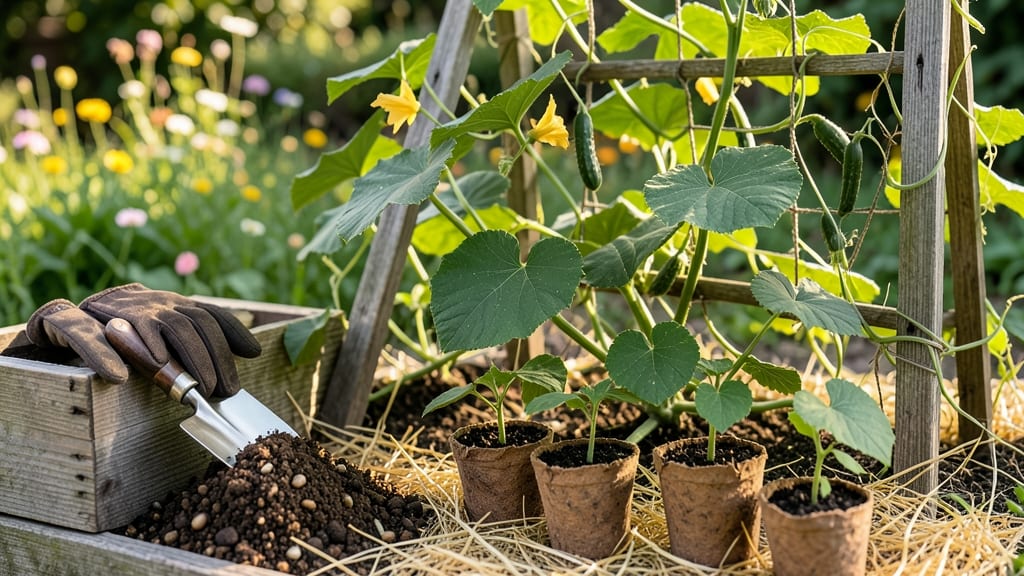
Planting cucumbers in Florida at the wrong time means watching your vines bolt into bitter flowers instead of producing crisp, sweet 🥒. The key to avoiding this frustration?
Knowing the exact months to start seeds or set out transplants—because Florida’s heat isn’t just a challenge, it’s a game-changer for your harvest.
Unlike northern gardens with strict frost dates, Florida’s frost-free zones (9a-11) let you grow cucumbers year-round—but that doesn’t mean every month works equally well. I’ve learned the hard way that summer’s scorching sun can turn your patiently nurtured plants into sad, seed-filled sticks if you don’t time it right.
The solution? Plant in spring (February–April) or fall (August–October) for the best balance of warmth and moisture.
Why does this matter? Because cucumbers thrive when soil temperatures hover around 60°F, not the 90°F+ Florida summers can deliver.
I’ll show you how to beat the heat with shade cloth, mulch, and the right varieties—so you can enjoy fresh 🥒 from March to November without the stress of bolting.
Ready to turn your Florida garden into a cucumber powerhouse? Let’s dive into the exact planting calendar, soil prep secrets, and variety picks that’ll have your vines producing like crazy—no bitter surprises included.
Best Florida cucumber planting months by region (avoiding bolting)
Florida’s three distinct climate zones create unique planting windows for cucumbers. In North Florida (Zones 8a-9a), cooler winters allow early spring plantings, while South Florida (Zones 10a-11) can grow cucumbers year-round with proper heat management.
The key to avoiding bolting—when plants flower prematurely—is timing soil temperatures between 60°F and 85°F.
Bolting occurs when cucumbers sense heat stress or drought and shift energy from leaves to flowers. In Florida’s summer, temperatures often exceed 90°F, triggering this response. By planting at optimal times, you’ll get crisp, sweet cucumbers instead of bitter, seedy ones.
Let’s break down the best months for each region to maximize your harvest.
For North Florida, I recommend starting seeds indoors in late February for transplanting after the last frost risk (typically mid-March). The spring planting window closes by May when temperatures consistently exceed 85°F. In fall, aim for September plantings to harvest before cooling temperatures reduce growth.
Central Florida gardeners have more flexibility but must avoid June-August plantings when afternoon temperatures frequently hit 95°F+. Instead, focus on February-March for spring harvests and August-September for fall production. Use shade cloth if planting in late summer to protect young plants from heat stress.
In South Florida, cucumbers can grow year-round with proper care. The coolest months (January-February) are ideal for heat-sensitive varieties, while October-November plantings benefit from slightly cooler nights. Always use black plastic mulch to maintain soil temperatures above 70°F and reduce bolting risk.
To prevent bolting, monitor soil moisture and mulch heavily to keep roots cool. In summer, water deeply twice daily (morning and late afternoon) and provide afternoon shade. For fall plantings, focus on well-draining soil and balanced fertilization to encourage steady growth.
One of my biggest mistakes was planting cucumbers in June without shade protection—my vines bolted within 3 weeks. Since then, I’ve adopted succession planting in Central Florida: February, June, and September plantings with heat-tolerant varieties ensure continuous harvests without bolting.
For container growing, choose bush varieties like 'Bush Champion' and plant in May-June when daytime highs are 85°F-90°F. Keep containers in partial shade during peak afternoon sun and water every morning to maintain moisture. This method works well for balconies in South Florida where space is limited.
Remember that Florida’s humidity accelerates plant growth, so cucumbers mature 2-3 weeks faster than in cooler climates. Adjust your harvest schedule accordingly—check vines every 2-3 days in summer to avoid overripe cucumbers. With these region-specific timing tips, you’ll enjoy crisp, homegrown cucumbers all year!
How to extend your cucumber season in Florida (cool vs warm varieties)
Florida gardeners know the struggle: cucumbers bolt too fast in summer heat or struggle in cooler months. The secret to a year-round harvest lies in choosing the right varieties and planting strategies.
Cool-season cucumbers thrive in spring and fall, while heat-tolerant varieties dominate summer. I’ve tested both in my North Florida garden and found the perfect balance for 10+ months of production.
Your first decision: cool-season vs. warm-season cucumbers. Cool varieties like 'Straight Eight' produce sweet, tender fruit in 60-75°F soil, while heat-lovers such as 'Southern Slicer' handle 90°F+ with ease. The trick? Plant cool-season types in January-February and September-October, then switch to heat-tolerant varieties for June-August.
For maximum extension, use succession planting. In my garden, I sow cool-season seeds every 2 weeks from January to March, then switch to heat-tolerant varieties every 3 weeks from June to August.
This creates a rolling harvest with no lull. Pro tip: Use black plastic mulch to warm soil faster in spring or shade cloth to protect summer plants from extreme heat.
Here are my top 3 Florida-adapted varieties ranked by performance:
- 'Southern Slicer' (heat-tolerant, 90°F+ thrives)
- 'Straight Eight' (cool-season, crisp texture)
- 'Marketmore 76' (versatile, handles 80-95°F)
I’ve grown all three side-by-side, and 'Southern Slicer' never bolts in July while 'Straight Eight' gives me perfect pickles in February.
Don’t forget soil temperature tricks. Use a soil thermometer—cool varieties need 60°F+ soil, while warm types prefer 70°F+. In my Central Florida raised beds, I bury black plastic 2 weeks before planting to jumpstart germination. For fall crops, I add compost to retain warmth longer into October.
With these strategies, I’ve extended my cucumber season from 4 months to nearly 10 months. The key? Match your variety to the season, plant in succession, and control soil temperature.
Now go grab those seeds—I’ll be in my garden testing another batch of 'Sweet Success' this week! 🌱