
Plants
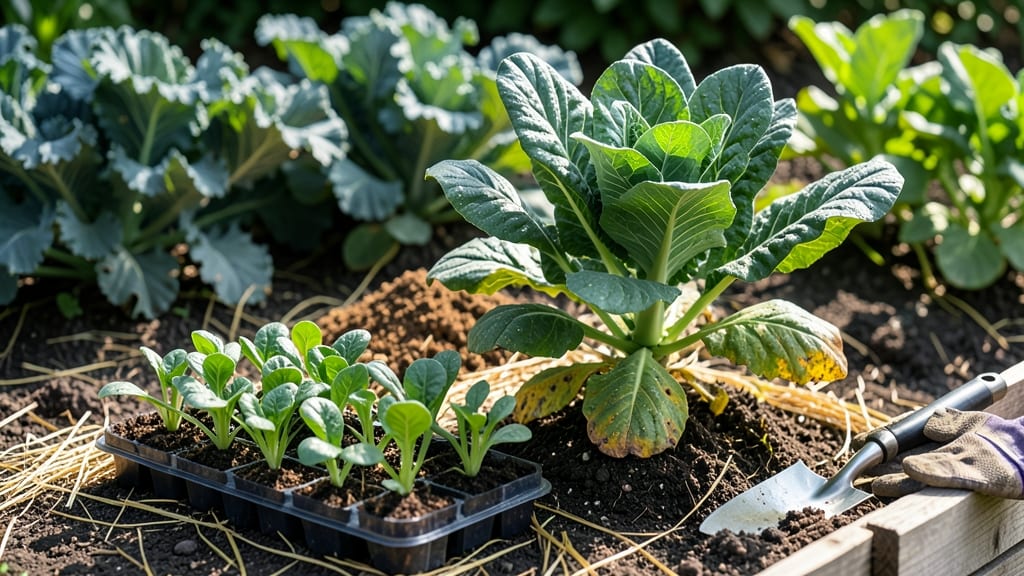
Planting collards in North Carolina at the wrong time can turn your 🥬 dreams into disappointment—whether it's bolting too early or freezing before harvest. The key to sweet, tender greens lies in understanding your local frost dates, which can shift dramatically from the mountains to the coast.
In USDA zones 7a-8b, your best bets are late March to early April for spring planting or August to early September for fall.
But here's the catch: Piedmont regions like Raleigh need to wait until after mid-April's last frost, while coastal areas like Wilmington can start 2-3 weeks earlier thanks to their milder climate.
Whether you're direct-sowing seeds or transplanting starts, timing matters—especially since collards thrive in cool weather but won't survive hard freezes. I'll break down exactly when to plant in your specific corner of the state, so you can enjoy homegrown greens from May through November.
Ready to grow collards that taste like they came from a Southern kitchen? Let's dive into the frost-free planting windows that work for your North Carolina garden—and how to stretch your harvest season even longer.
North Carolina’s collard planting zones: county-specific frost dates and ideal timing
North Carolina’s diverse climate means collard planting times vary dramatically from the mountains to the coastal plain. In Asheville (Zone 7a), frost lingers until April 15, while Wilmington (Zone 8a) enjoys frost-free soil by March 1.
Understanding these regional differences ensures your collards thrive, not just survive. The key is planting 4-6 weeks before your area’s first frost for fall harvests or after the last frost in spring.
Collards are cold-hardy vegetables, but they won’t tolerate freezing temperatures for long. Most varieties handle light frosts down to 20°F, but growth slows below 50°F.
This makes fall planting ideal in NC—you can start as early as August in the Coastal Plain or wait until September in the Mountains. Spring planting should begin after April 15 in most regions to avoid early frost damage.
Here’s how NC’s three main regions break down for collard planting:
| Region | County Examples | Last Frost Date | First Frost Date | Spring Planting Window | Fall Planting Window |
|---|---|---|---|---|---|
| Mountains | Asheville, Boone, Waynesville | April 15 - May 1 | October 30 - November 15 | May 15 - June 1 | August 15 - September 1 |
| Piedmont | Raleigh, Greensboro, Winston-Salem | March 25 - April 10 | November 1 - November 15 | April 15 - May 15 | August 1 - September 10 |
| Coastal Plain | Wilmington, Fayetteville, Goldsboro | February 28 - March 15 | November 20 - December 1 | March 15 - April 15 | July 15 - August 20 |
For spring planting, wait until soil temperatures reach 50°F—this usually aligns with the last frost dates above. In the Coastal Plain, you can start as early as mid-February under row covers, but direct sowing should wait until March 15.
In the Mountains, hold off until mid-May to avoid late frosts that can damage young plants.
Fall planting offers a longer harvest window in NC. Start 8-10 weeks before your first frost—so August 15 in the Mountains or July 15 along the coast. This timing ensures collards mature before cold weather slows growth.
Use row covers in late fall to extend harvests into December in milder zones like the Coastal Plain.
Direct sowing is easiest for collards, but you can also transplant seedlings for a head start. In Raleigh, transplant 4-week-old seedlings in late April for a summer harvest or early August for fall.
Avoid transplanting in extreme heat (above 90°F) or cold (below 50°F), as shock can stunt growth.
Soil preparation is critical—collards thrive in well-draining, slightly acidic soil (pH 6.0-6.8). Work in compost or aged manure before planting to boost fertility. In heavy clay soils common in the Piedmont, amend with sand or peat moss to improve drainage.
Mulch with straw or grass clippings to retain moisture and suppress weeds.
Watch for bolting—when collards flower prematurely—if planted too early in spring or too late in fall. This happens when days get too long (spring) or too short (fall). Stagger plantings every 2-3 weeks to ensure a continuous harvest and avoid bolting issues.
In Wilmington, for example, plant July 15, August 1, and August 15 for fall success.
Remember: collards are a cool-season crop, so they’ll taste sweeter after light frosts. In Asheville, harvest leaves after a 20°F frost for the best flavor.
Just don’t let them freeze solid! With the right timing, you can enjoy homegrown collards from late spring to early winter in North Carolina.
How to extend your collard season in North Carolina: cold hardiness and succession planting tips
Collards are one of the most resilient cool-season vegetables for North Carolina gardens, thriving when many other crops struggle. With the right strategies, you can enjoy fresh collard greens from early spring through late fall—even in USDA Zones 7a-8b.
The key lies in understanding their cold tolerance limits and using succession planting to keep your harvests coming.
Unlike heat-sensitive plants, collards actually sweeten in cold weather, making them perfect for NC’s mild winters. However, they can’t handle hard freezes below 20°F.
By combining row covers, staggered plantings, and smart timing, you can push the boundaries of your growing season while avoiding bitter or stunted growth.
When to Plant Collards in North Carolina
- 🌱 Early Spring: Start seeds indoors 6-8 weeks before your last frost date (typically mid-March for Coastal Plain, late March for Piedmont). Transplant outdoors 2-3 weeks after last frost.
- 🌿 Late Summer: Direct-sow seeds 8-10 weeks before first frost (aim for August in Mountains, early September in Coastal Plain).
- ❄️ Fall Extension: Use row covers to protect plants through light frosts (28-32°F). Harvest before hard freezes or mulch heavily for overwintering.
- 🔄 Succession Planting: Sow new seeds every 2-3 weeks from spring to early fall for continuous harvests. Example: Plant March 1, March 15, April 1 for spring, then July 15, August 1, August 15 for fall.
- ☀️ Winter Survival: In Zone 8b, collards may survive mild winters with heavy mulch (6+ inches). Harvest leaves as needed without removing the whole plant.
For succession planting, I recommend starting with 3-4 plantings spaced 2-3 weeks apart in spring. This ensures you always have mature leaves ready for harvest as older plants are harvested.
In fall, extend your season by planting heat-tolerant varieties like 'Georgia Southern' or 'Top Bunch', which handle NC’s late-summer heat better than others.
Protect young plants with floating row covers during early spring or late fall to shield them from light frosts. These lightweight covers raise soil temperatures by 5-8°F, accelerating growth and allowing you to plant 2-3 weeks earlier in spring or harvest 2-3 weeks later in fall.
Just remember to remove covers during hot afternoons to prevent overheating.
If you’re in Zone 7a (like the Mountains), focus on fall plantings and use cold frames to extend harvests into winter. In Zone 8b (Coastal Plain), you can even overwinter collards with straw mulch and harvest tender leaves until January.
The key is monitoring soil temperatures—collards grow best when soil stays above 40°F.
Don’t forget to harvest regularly to encourage new growth. Collards are cut-and-come-again crops, so picking outer leaves first keeps the plant producing. With these strategies, you’ll enjoy homegrown collards for nearly 10 months of the year—far longer than most gardeners expect! 🥬