
Plants
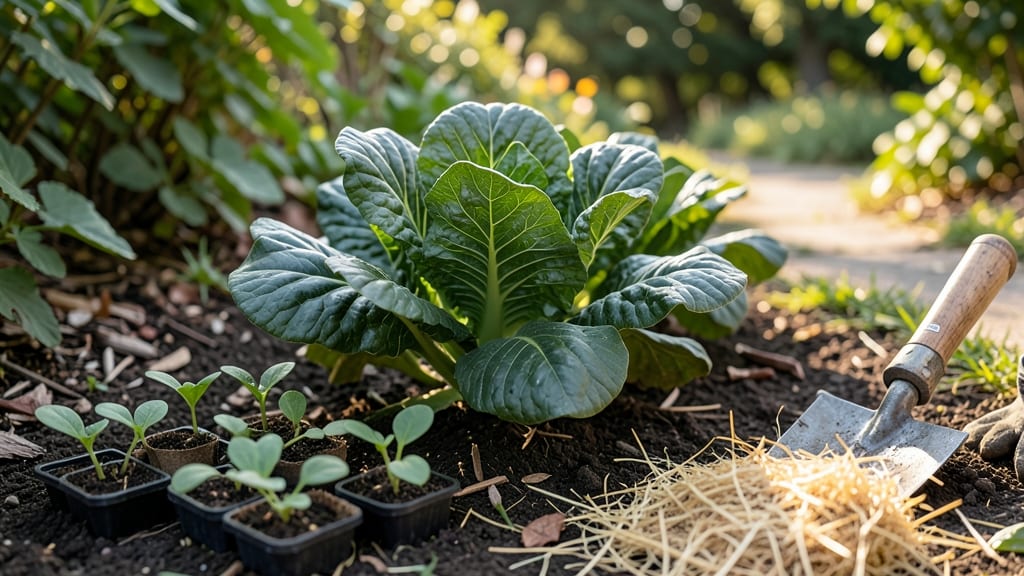
Planting 🥬 collards in Alabama at the wrong time means missing out on tender, flavorful harvests—because timing is everything in this state’s 7a-8b zones. Whether you’re in the cooler north or the warmer south, getting the schedule right ensures your greens thrive from spring through winter, not just once.
Most gardeners in Alabama know the classic rule: plant collards in early spring and again in late summer. But here’s the catch—your exact frost-free deadline depends on whether you’re in Zone 7a (where hard freezes linger) or Zone 8b (where mild winters stretch growing seasons).
A few weeks too early or late, and you’ll end up with bitter leaves or stunted plants.
In this guide, I’ll break down the precise planting windows for your county’s heat zone, including when to start seeds indoors and when to transplant young plants for maximum yield.
You’ll also discover how to stretch your harvest by planting in both spring and fall—plus, the one mistake that ruins 90% of Alabama collard gardens.
Ready to grow collards that taste better than store-bought? Let’s get your schedule locked in so you can enjoy fresh, homegrown greens all season long.
Alabama collard planting deadlines by heat Zone (USDA 7a-8b)
Alabama’s diverse climate—from the cooler Appalachian foothills (Zone 7a) to the humid Black Belt (Zone 8b)—creates distinct planting windows for collards. Unlike northern states, you can grow these heat-tolerant greens year-round with proper timing.
The key is avoiding late-frost damage in Zone 7a while capitalizing on Alabama’s 210 frost-free days in warmer zones.
Most gardeners focus on spring and fall plantings, but Zone 8b growers can even sow winter collards for early harvests.
Below, I’ve mapped out the last frost dates and ideal planting windows by region, so you can align your schedule with Alabama’s microclimates—whether you’re in Madison County (Zone 7a) or Mobile County (Zone 8b).
For Zone 7a gardeners, like those in Huntsville or Decatur, focus on spring plantings after March 20 to avoid late frosts. In Zone 8b (Mobile or Daphne), you can sow winter collards in October for harvests before Christmas.
The secret? Succession planting every 2 weeks ensures a continuous supply of tender, non-bitter leaves.
If you’re in Zone 7b (Cullman or Talladega), aim for March 1–April 10 for spring and July 15–September 10 for fall. Use row covers in late fall to extend harvests into November. Pro tip: Direct-sow seeds in warm soil (50°F+) for faster establishment than transplants.
Alabama’s humid summers can stress collards, so prioritize shade cloth (30–50%) during June–August in Zone 8a–8b. In Zone 7a, mulch heavily to protect roots from temperature swings. I’ve found that ‘Georgia Southern’ and ‘Vates’ varieties handle heat better than ‘Champion’, which bolts faster in 90°F+ temperatures.
For year-round coll
Best collard varieties for Alabama’s climate and when to sow
Alabama’s humid heat and mild winters demand collard varieties that thrive in both extremes. The right heat-tolerant and cold-hardy types ensure year-round harvests, from crisp spring greens to frost-sweetened winter leaves.
I’ve grown ‘Georgia Southern’ and ‘Vates’ in my Mobile County garden, and they’ve never let me down—even in 90°F+ summers.
For northern Alabama’s cooler winters (USDA Zone 7a), varieties like ‘Champion’ and ‘Top Bunch’ excel, surviving light frosts while still producing tender leaves. These cold-hardy types are perfect for fall and winter planting, giving you greens when other gardens lie dormant.
My Madison County neighbors swear by them for holiday harvests!
Here’s the key: Staggered planting is your secret weapon. Sow heat-lovers in late summer (August) and cold-tolerant types in early spring (March) or late summer (September) for continuous harvests. This strategy works even in Zone 8b’s extreme heat—just watch for bolting in spring.
🌱 Alabama Collard Planting Strategies: Pros & Cons
✅ Spring Planting (March-April)
- Pro: Avoids summer bolting
- Pro: Harvests ready by May-June
- Con: Requires row covers in Zone 7a
- Con: Pests peak in spring
✅ Fall Planting (August-September)
- Pro: Thrives in cooler temps
- Pro: Frost-sweetened flavor
- Con: Needs succession planting for winter
- Con: Disease risk in humid fall
✅ Winter Planting (October-November)
- Pro: Cold-hardy varieties survive
- Pro: Minimal pests in winter
- Con: Growth slows below 40°F
- Con: Requires mulching in Zone 7a
💡 Pro Tip
Use ‘Georgia Southern’ for summer heat and ‘Champion’ for winter cold. Plant every 3 weeks from March to September for non-stop greens!
My go-to varieties for Alabama’s climate are ‘Georgia Southern’ (heat-tolerant) and ‘Top Bunch’ (compact and cold-hardy). For large families, ‘Vates’ produces massive leaves perfect for collard greens, while ‘Champion’ stays tight and bushy, ideal for small spaces.
I’ve even seen ‘Blue Max’ in home gardens—its purple stems add a striking touch!
Timing is everything: Direct-sow seeds 4-6 weeks before your average last frost (typically March 15 in most of Alabama). For transplants, wait until soil reaches 50°F—usually mid-April in Zone 7a and early March in Zone 8b.
Pro tip: Mulch heavily in fall to protect roots from freeze-thaw cycles.
Don’t forget succession planting! By sowing new seeds every 2 weeks from March to September, you’ll have fresh collards all year. In my Birmingham garden, this means spring harvests in May, summer regrowth after midsummer heat, and winter greens through January.
With the right varieties and timing, Alabama’s climate becomes your collard-growing advantage!