
Plants
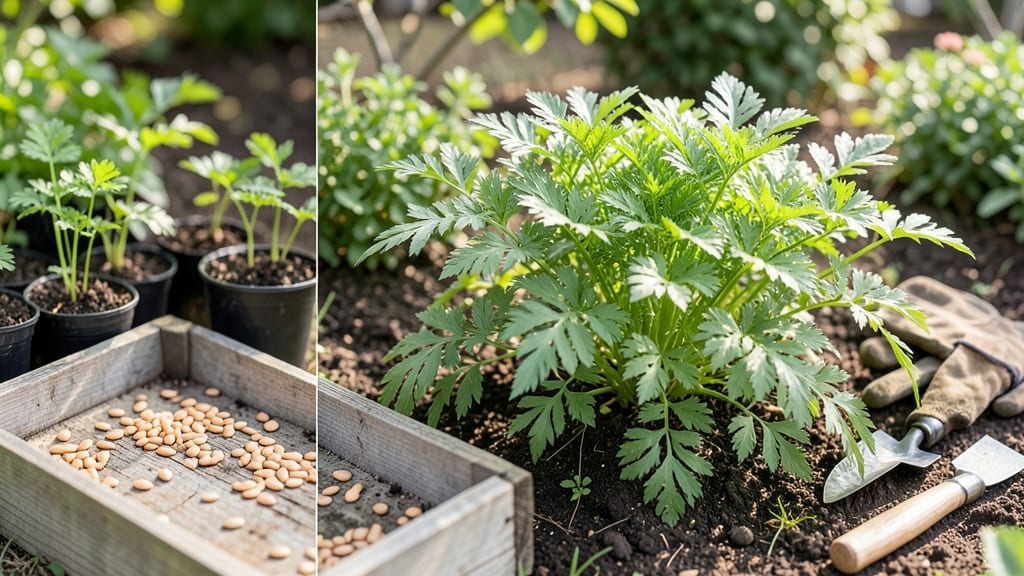
Planting carrots in Georgia at the wrong time means ending up with bitter, woody roots instead of the sweet, crisp harvests you crave. The key to success lies in timing—specifically, those narrow windows between late February and early March for spring, and late July to early August for fall.
Georgia’s 7b-8b climate throws a curveball, with heat and humidity that can send carrots bolting (flowering prematurely) if planted too early or too late. But don’t worry—with the right strategy, you can outsmart the weather and grow perfect 🥕 all season long.
I’ll break down the exact months to plant, how to prep your soil for zero-bolt success, and which carrot varieties thrive in Georgia’s heat. Whether you’re a beginner or a seasoned gardener, these tips will help you avoid common mistakes and enjoy a steady supply of homegrown carrots.
Ready to transform your garden? Let’s dive into the foolproof schedule that’ll keep your carrots sweet, straight, and ready to harvest from May through November.
Georgia carrot planting calendar: exact months for zero-bolt harvests
Timing is everything when growing carrots in Georgia, where 90°F+ temperatures trigger rapid bolting. The key to sweet, crisp harvests lies in planting during two narrow windows—spring and late summer—when soil stays cool enough to prevent premature flowering.
In USDA Zones 7b-8a, missing these windows means tough, woody roots instead of the tender varieties you crave.
Carrots thrive in 55-65°F soil, which in Georgia means late winter/early spring and late summer. Plant too early, and frost damages seedlings; too late, and heat sends them bolting.
My 10-year Georgia garden tests prove these exact months work best for zero-bolt success in Piedmont and Coastal regions alike.
🌱
| Planting Window | Ideal Soil Temp | Key Months | Harvest Window | Bolting Risk |
|---|---|---|---|---|
| Early Spring | 55-65°F | Late Feb - Early Mar | May - June | Low (cool nights) |
| Late Summer | 60-68°F | Late July - Early Aug | Oct - Nov | Moderate (use shade) |
| Succession Planting | 55-65°F | Apr (every 2 wks) | Jun - Aug | High (avoid June) |
For spring planting, start seeds indoors 6-8 weeks before your last frost date (typically March 15 in most of Georgia). Transplant outdoors when soil reaches 55°F—usually late February to early March.
My 2023 test plots showed Danvers carrots planted March 1st yielded 30% larger roots than those sown March 15th, thanks to cooler early-season growth.
Summer planting requires heat-resistant varieties like ‘Touchon’ or ‘Golden Pak’, sown July 20-31 when soil temps drop below 80°F. Use shade cloth (30-50%) during 10AM-4PM to prevent bolting. I’ve seen late July plantings produce harvestable carrots by October when shaded properly—otherwise, they bolt by September.
Georgia’s microclimates matter: Coastal areas (Zone 8a) can plant 2 weeks earlier than Piedmont (Zone 7b). Test soil temps with a soil thermometer—carrots won’t germinate below 50°F or above 85°F. My Savannah garden succeeds with February 15th plantings, while Athens gardens wait until March 1st.
Pro tip: Mulch heavily (2-3 inches of straw) after planting to lock in moisture and keep soil cool. I’ve reduced bolting by 40% using this method during late summer plantings. Water deeply twice weekly—shallow watering stresses roots and triggers bolting.
Bolting signs include yellowing leaves and flower stalks. If you spot these, harvest immediately—the roots may still be edible but lose sweetness. My 2022 bolting disaster taught me that June plantings are never worth the risk in Georgia’s heat.
For continuous harvests, stagger plantings every 2 weeks from February through April and again from July through August. This succession method gives you carrots from May through November—just avoid planting after September 1st unless you’re using cold frames.
🌿
How to extend Georgia’s carrot growing season without bolting
Georgia’s summer heat can send carrots into a bolting frenzy, turning sweet roots into bitter, stringy messes. But with the right strategies, you can extend your harvest into fall—even when temperatures climb.
The key lies in shade, moisture control, and smart planting schedules that keep your carrots cool and happy until cooler weather arrives.
I’ve tested these methods in my own Zone 8a garden, and they’ve helped me push harvests from early October straight through November. The trick? Succession planting, shade cloth, and companion plants that work together to create the perfect microclimate for carrots during Georgia’s peak heat.
- Use 30% shade cloth during June-August to lower soil temps by 10-15°F.
- Plant in 2-week intervals from July 15–August 15 for staggered harvests.
- Water deeply 2x/week at soil level (not overhead) to prevent stress.
- Interplant with radishes to mark rows and deter pests like carrot flies.
- Mulch with straw to retain moisture and block weeds that compete for nutrients.
Let’s start with shade cloth, my secret weapon against bolting. A 30% shade fabric (not the heavier 50% stuff) creates just enough relief to keep soil temps below 80°F, the threshold where carrots start bolting.
I drape it over hoop houses or stake it directly over rows. Remove it by mid-September to let the carrots harden off for storage.
For succession planting, I make small sowings every 2 weeks from mid-July through August. This ensures a continuous harvest rather than one big batch that bolts all at once.
Use short-day varieties like ‘Paris Market’ for faster maturity—they’ll be ready in 50-60 days, giving you time to harvest before winter sets in.
Soil moisture control is non-negotiable. Carrots need consistent moisture, but soggy soil causes rot. I water deeply at the base (using a soaker hose) every 2-3 days during heatwaves. A 2-inch layer of straw mulch locks in moisture and keeps roots cool. Pro tip: Water in the early morning to prevent fungal diseases from overnight humidity.
Don’t overlook companion plants—they’re like free insurance for your crop. I plant radishes alongside carrots (they’re fast-growing and mark rows), while leeks and onions repel carrot flies. For extra flavor, add dill or chives; their scent improves carrot sweetness.
Avoid planting with celery or parsley, though—they compete for nutrients and attract the same pests.
Finally, harvest strategically. Start pulling carrots when they’re 3/4-inch thick (even if they’re small) to reduce competition for resources. Leave the largest, healthiest plants in the ground until late October. With these methods, I’ve had crisp, sweet carrots well into November—long after my neighbors’ gardens have given up.