
Plants
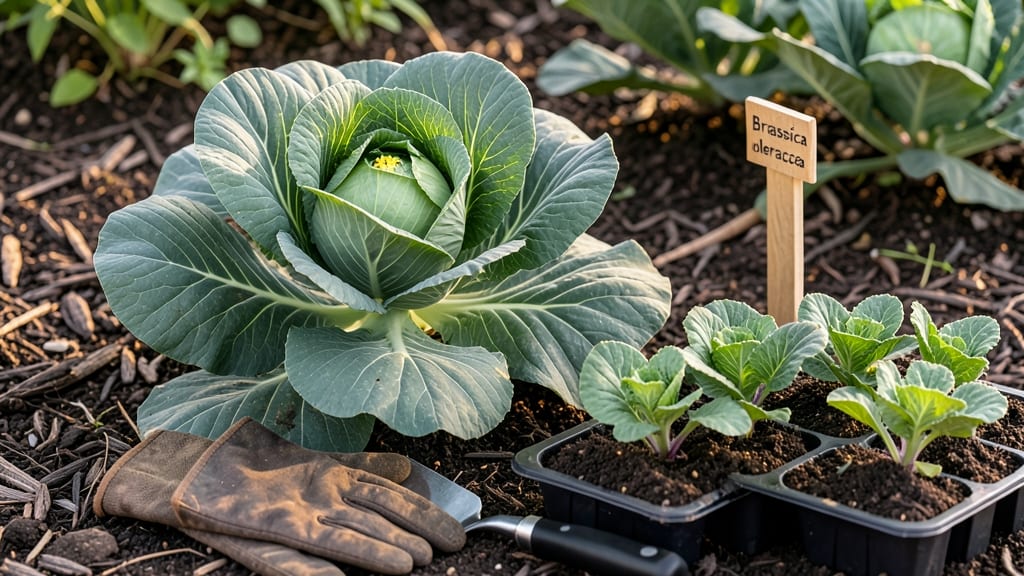
Planting cabbage in Georgia at the wrong time can turn your crisp, flavorful harvests into bitter, bolted disappointment—but getting the timing right unlocks a bounty of 🥬 that thrives in Zones 7b-8b.
Unlike cooler climates, Georgia’s long summers and mild winters demand a strategic approach to avoid heat stress and bolting. The key? Planting in early spring or late summer when temperatures cooperate, not when the heat peaks.
I’ve grown cabbage in Georgia for years, and the difference between a successful harvest and a failed one often comes down to these two windows: February–March for spring or August–September for fall. Let me show you exactly how to time it right for your zone.
You’ll learn which varieties handle Georgia’s heat best, how to protect seedlings from bolting, and when to fertilize without triggering early flowering. Ready to grow cabbage that’s crisp, sweet, and ready to harvest?
Georgia cabbage planting calendar by heat zone (avoid bolting!)
Georgia’s USDA Zones 7-9 present unique challenges for growing cabbage—hot summers and mild winters demand precise timing to prevent bolting (premature flowering). The key is planting during cool-season windows when temperatures stay below 75°F.
In my experience, spring and fall are your best bets, with August-September for late summer starts in cooler mountain regions.
Cabbage thrives in 60-70°F soil temperatures, making February-March and August-September ideal for seed starting or transplants. Heat-tolerant varieties like ‘Cavalo’ or ‘Golden Acre’ can extend your window slightly, but even these will bolt if stressed. My #1 tip: avoid planting during June-August unless you’re in Zone 7b’s cooler elevations.
Soil preparation is non-negotiable—Georgia’s clay-heavy soils need amendments like compost or aged manure to improve drainage. Aim for pH 6.5-7.0 and work in 2-3 inches of compost before planting. I always test my soil in late January to give myself time to adjust nutrients before the first planting window.
Here’s your month-by-month Georgia cabbage planting guide, tailored to Zones 7-9 and designed to maximize harvests while minimizing bolting risks:
5 Critical tips to prevent cabbage bolting in Georgia’s heat
Georgia’s summer heat can turn your cabbage plants into bitter, flowering disasters if you’re not careful. Bolting—when cabbage prematurely sends up a flower stalk—ruins the flavor and texture. The key is strategic timing and heat management to keep your plants cool and productive.
I’ve grown cabbage in Georgia’s USDA Zones 7-9 for years, and these tips have saved my harvests time and again.
First, avoid the peak summer months (June–August) when temperatures consistently exceed 85°F. Cabbage thrives in cool weather (50–75°F) and bolts when stressed by heat. Instead, focus on early spring (February–March) or late summer (August–September) plantings.
This timing aligns with Georgia’s last frost date (around March 15) and gives your plants a fighting chance before the real heat arrives.
🌱 Numbered Highlights: 5 Critical Tips to Beat the Heat
- 🌡️ 1. Choose Heat-Tolerant Varieties like ‘Cavalo’ or ‘Golden Acre’, which handle 80°F+ better than standard types. These varieties stay bolting-resistant longer in Georgia’s heat.
- 🌿 2. Use Shade Cloth (30–50%) during late spring/early summer to block direct sunlight. Install it over plants when temps hit 80°F—this mimics cooler conditions and delays bolting.
- 💧 3. Master Irrigation Timing: Water deeply in the morning (1–1.5 inches per week) to keep roots cool. Avoid overhead watering at night, which promotes fungal diseases like downy mildew.
- 🌱 4. Mulch Thickly (3–4 inches) with straw or wood chips to insulate roots and retain moisture. This reduces soil temperature by up to 10°F, creating a cooler microclimate for cabbage.
- ⚠️ 5. Skip Nitrogen Fertilizer in Heat: Too much nitrogen accelerates growth and bolting. Switch to a balanced 5-10-10 fertilizer in summer to prioritize root strength over leafy growth.
One of the biggest mistakes I see Georgia gardeners make is over-fertilizing with nitrogen to boost growth, but this backfires in heat. Nitrogen-rich fertilizers like blood meal or high-nitrogen blends signal plants to grow fast, triggering bolting.
Instead, use a low-nitrogen, high-phosphorus fertilizer (like 5-10-10) to support root development without encouraging rapid top growth.
Another pro tip: Succession plant every 2–3 weeks in spring and fall to stagger harvests. This ensures you’re always bringing in fresh cabbage while avoiding the mid-summer slump.
For example, plant a batch in late February for a spring harvest, then another in early September for a fall harvest before the first frost.
If you’re planting in late summer, opt for fast-maturing varieties (60–70 days to harvest) like ‘Early Jersey Wakefield’. These can go from seed to table before the heat peaks. Pair them with drip irrigation to deliver water directly to roots, minimizing stress from evaporation or uneven moisture.
Finally, keep an eye out for bolting signs: elongated stems, yellowing leaves, or flower buds. If you catch it early, harvest the outer leaves for greens and let the head mature. But if the plant bolts completely, it’s time to pull it and replant for a later harvest.
With these strategies, you’ll enjoy crisp, sweet cabbage straight from your Georgia garden—no bitter surprises! 🥬