
Plants
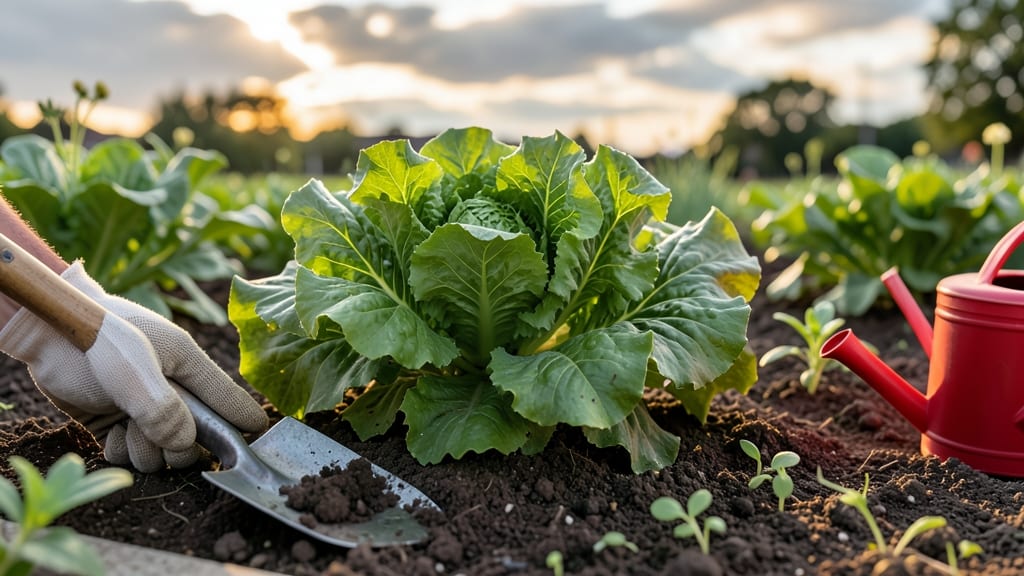
Planting lettuce in Georgia at the wrong time can turn your crisp 🥬 dreams into bitter disappointment—but getting the timing right means fresh salads all season long. With Georgia’s mild winters and scorching summers, knowing when to plant is the key to avoiding bolting and maximizing your harvest.
Most gardeners in USDA zones 7b-8b focus on two prime windows: late winter through early spring and late summer into fall. But did you know Georgia’s microclimates—from the mountains to the coast—can shift those windows by weeks?
I’ll break down the exact months that work best for each region, so you can start seeds or transplant with confidence.
Whether you’re growing in garden beds or containers, the right timing ensures tender leaves instead of tough, bolted stalks. You’ll also discover how to stretch your harvest with succession planting and cold-hardy varieties that thrive in Georgia’s unique climate.
Ready to grow lettuce that stays sweet and crisp? Let’s dive into the planting schedule that’ll make your garden the envy of the neighborhood—and your dinner table the freshest in town.
Georgia lettuce planting calendar: best months by region (peach state vs. coastal vs. mountain)
Georgia’s diverse climate—from the cool mountain air of North Georgia to the humid coastal plains—creates three distinct growing zones for lettuce. Planting at the wrong time can trigger bolting (premature flowering) or frost damage, but nailing your schedule ensures tender, crisp harvests all year.
Let’s break down the ideal planting windows for each region, including soil temperature thresholds and frost risk factors.
The key to success lies in soil temperatures and frost dates. Lettuce thrives when soil stays between 45°F and 75°F, but temperatures above 80°F trigger bolting. Coastal areas can push these limits earlier than the mountains, while Piedmont sits in the middle.
Below, we’ll map out the perfect planting months for each region, plus how to extend your season with shade and row covers.
Visual Tip: Use a soil thermometer to confirm temperatures before planting—this is non-negotiable for lettuce success.
| Region | USDA Zone | Last Frost Date | First Frost Date | Ideal Planting Window | Soil Temp Threshold | Best Varieties |
|---|---|---|---|---|---|---|
| North Georgia Mountains | 6b-7a | Late March | Mid-November | Feb 15 - Mar 15 (Spring) / Aug 15 - Sep 30 (Fall) | 45°F-65°F | Winter Density, Arctic King, Black Seeded Simpson |
| Piedmont (Atlanta Area) | 7b-8a | Mid-March | Late October | Feb 1 - Mar 31 (Spring) / Aug 1 - Sep 15 (Fall) | 50°F-70°F | Buttercrunch, Romaine, Oakleaf |
| Coastal Plain (Savannah, Brunswick) | 8a-8b | Early March | Early November | Jan 15 - Feb 28 (Spring) / Jul 15 - Aug 31 (Fall) | 55°F-75°F | Iceberg, Little Gem, Red Sails |
For North Georgia mountains, plant winter varieties like Arctic King as early as February to beat the late-March frost. These hardy types tolerate cooler soils and shorter days.
In the Piedmont region, aim for late February to March plantings—this gives seedlings time to establish before April’s heat spikes. Coastal gardeners have the longest window but must act fast: January plantings are ideal for early harvests before summer bolting.
Pro Tip: Succession planting every 2-3 weeks in spring and fall keeps your lettuce table full. For example, in Piedmont, sow a new batch on March 15, April 1, and September 1 for continuous harvests.
Use shade cloth (30-50%) in summer to protect coastal plantings from heat stress.
Watch out for soil temperature traps. Even if air temps feel mild, soil can stay cold—especially in North Georgia’s shaded valleys. Test soil temps with a thermometer; lettuce roots won’t thrive below 45°F.
Conversely, coastal soils can hit 80°F+ by mid-June, forcing lettuce to bolt within weeks. Row covers or drip irrigation (to keep soil cool) are lifesavers in these zones.
Extend your fall harvests by planting cold-hardy varieties like Winter Density in late August (Coastal) or September (Mountains). These varieties survive light frosts and even brief freezes, giving you crisp lettuce through November. Just remember: mulch heavily with straw to protect roots from temperature swings.
If you’re growing lettuce in containers, adjust your timeline by 2-3 weeks earlier
How to extend lettuce season in Georgia: fall/winter/spring success strategies
Georgia’s mild winters and long growing season make it possible to enjoy fresh lettuce nearly year-round—but only if you use the right strategies. The key is avoiding bolting (when lettuce flowers prematurely) by choosing the right varieties, planting at optimal times, and protecting your crops from extreme temperatures.
With these techniques, you can harvest crisp, sweet lettuce from late fall through early spring, even in Georgia’s USDA zones 7b-8b.
Fall is my favorite time for lettuce because the cooler weather prevents bolting. Start by selecting cold-hardy varieties like Winter Density or Arctic King, which can withstand light frosts. For winter production, use row covers or even a small greenhouse to extend the season.
In spring, focus on succession planting every 2-3 weeks to ensure a continuous harvest before summer heat sets in.
For fall planting, I recommend direct-seeding lettuce after soil temperatures drop below 80°F. Use a seed tape or precision planter to avoid overcrowding, which stresses plants and triggers bolting.
In North Georgia’s cooler microclimates, you can even plant Romaine as early as July 1 with shade protection. Mulch heavily with straw or leaves to insulate roots during winter.
If you’re growing lettuce in containers, choose compact varieties like Little Gem or Black Seeded Simpson. Place pots in partial shade during summer and move them to sunnier spots in winter.
Container-grown lettuce bolts faster in heat, so prioritize even moisture and daily misting during 90°F+ days. A 5-gallon bucket works well for 2-3 plants with well-draining mix.
To maximize your harvest, practice cut-and-come-again harvesting. Snip outer leaves when they reach 4-6 inches, leaving the inner rosette to regrow. This method extends the life of each plant by 30-50%.
For a winter harvest, focus on leaf lettuces like Oakleaf, which tolerate frost better than head varieties. Always harvest in the morning when leaves are crispest.
With these strategies, you’ll enjoy zero-bolt lettuce from September through May, even in Georgia’s humid climate. The secret? Timing, protection, and variety selection—not luck.
Start small with one 10x10-foot bed or a few containers, and scale up as you master the techniques. Your taste buds (and dinner table) will thank you! 🥬