
Plants
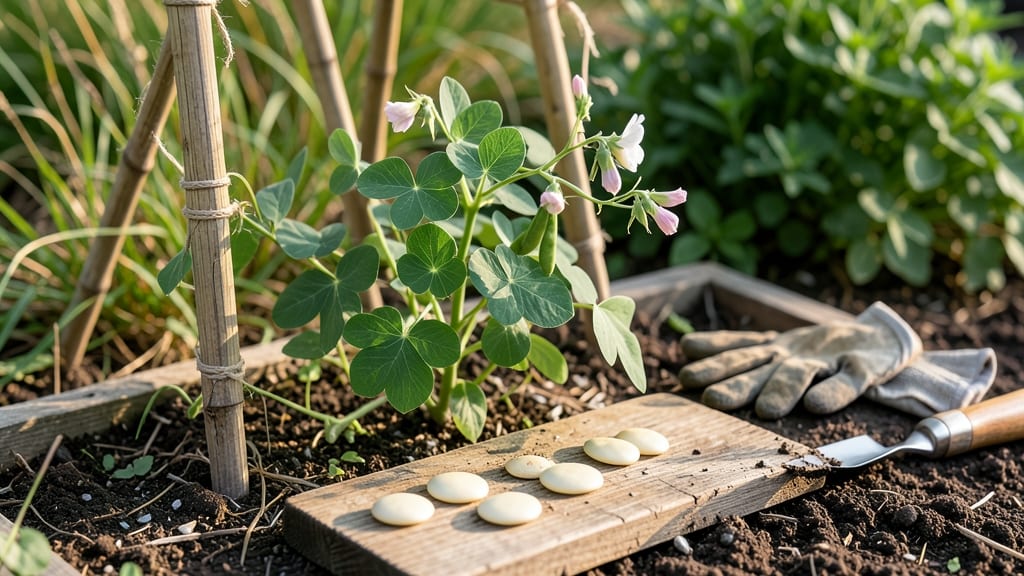
Planting Dixie Lee peas at the wrong time in North Carolina can mean the difference between a garden full of sweet, tender pods and a sad pile of wasted seeds. These heat-loving legumes 🌱 demand precision, especially in our varied climate zones from the Piedmont to the coast.
Most gardeners in NC's 7a-8b zones know timing matters, but few realize soil temperature is the real game-changer. Dixie Lee peas need warm earth—at least 60°F—to germinate properly. That means waiting until after the last frost (usually mid-March) but before summer's brutal heat sets in.
I've learned the hard way that planting too early leads to slow starts, while waiting too long risks bolting before harvest. The solution? Two perfect windows: early spring (March-April) or late summer (July-August) for a fall harvest. Let me show you exactly how to nail these timings for your region.
Whether you're a first-time gardener or a seasoned pro, these tips will help you grow Dixie Lee peas faster and more reliably. We'll cover soil prep, frost dates by zone, and even how to extend your harvest season—no guesswork needed.
NC heat zone map: best planting windows for Dixie Lee peas
North Carolina’s USDA hardiness zones 7a-8b create perfect conditions for Dixie Lee peas, but timing your planting is critical. These heat-loving legumes need soil temperatures above 60°F to germinate properly.
Plant too early, and your seeds will rot in cold soil; too late, and you’ll miss the ideal harvest window before fall frosts arrive. Let’s break down the perfect planting windows for each NC microclimate.
Your location within NC dramatically impacts when to plant. Coastal areas (zone 8a-8b) enjoy longer growing seasons, while mountain regions (zone 7a) face earlier frosts. Even within the same county, urban heat islands can push planting dates 1-2 weeks earlier than rural areas.
Always check your last frost date—typically mid-March for Piedmont and late February for Coastal NC—and count backward from your first expected frost (late November).
🌱 Key Rule: Plant Dixie Lee peas when soil temps hit 60°F+ and nighttime temps stay above 50°F. Use a soil thermometer to avoid guesswork. For most NC gardeners, this means late March to early April for spring plantings and mid-July to early August for fall harvests.
| NC Region | USDA Zone | Ideal Planting Window | Soil Temp Threshold | Frost-Free Days |
|---|---|---|---|---|
| Coastal (Wilmington, Morehead City) | 8a-8b | Feb 20 - Mar 10 (Spring) / Jul 15 - Aug 5 (Fall) | 60°F+ | 240+ days |
| Piedmont (Raleigh, Greensboro) | 7b-8a | Mar 15 - Apr 5 (Spring) / Jul 20 - Aug 10 (Fall) | 60°F+ | 220-240 days |
| Mountains (Asheville, Boone) | 7a | Apr 1 - Apr 15 (Spring) / Jul 25 - Aug 15 (Fall) | 60°F+ | 200-220 days |
| Urban Heat Islands (Charlotte, Durham) | 7b-8a | Mar 1 - Mar 25 (Spring) / Jul 10 - Jul 30 (Fall) | 60°F+ (1 week earlier) | 230-240 days |
For spring plantings, aim to harvest before summer heat sets in (June-July). Dixie Lee peas tolerate up to 90°F but produce best in 70-85°F conditions.
In zone 8b (Coastal NC), you can even try a winter planting in December if using row covers to protect from light frosts.
If you miss the spring window, don’t despair—late summer plantings yield sweet peas for fall harvests. In zone 7a (Mountains), plant by July 25 to ensure pods mature before the first frost (late October).
Use black plastic mulch to warm soil faster and extend the season by 2-3 weeks.
Pro tip: Test your soil’s pH (6.0-7.0) and nitrogen levels before planting. Dixie Lee peas fix their own nitrogen, but a light compost top-dressing boosts early growth. Amend heavy clay soils with sand or perlite to improve drainage—these peas hate soggy roots.
🌿 Remember: Dixie Lee peas are day-neutral, meaning they’ll produce whether days are long or short. Focus on soil warmth and consistent moisture over daylight hours. For container growers, use 5-gallon pots with trellises to save space and improve airflow.
Need to double-check your local frost dates? The NC State Extension provides free frost calendars by county. Bookmark their gardening resources for real-time updates on heat waves or unexpected cold snaps that might shift your planting timeline.
How to extend Dixie Lee peas season in NC: succession planting tips
North Carolina’s long growing season lets you enjoy Dixie Lee peas from spring through fall—but only if you plan strategically. By using succession planting, you can stretch your harvest for 3-4 months instead of just 6-8 weeks.
The key is starting new batches every 2-3 weeks once the initial frost risk passes.
Urban gardeners face extra challenges like limited space and microclimates from buildings or pavement, while rural areas can leverage warmer soil and longer sunlight. Even in shady spots, you can adapt with container gardening or reflective surfaces to boost growth.
Here’s my proven 7-step succession planting plan for Dixie Lee peas in NC, tailored to both in-ground and container setups:
For container gardens, choose self-watering pots to avoid drought stress during NC’s hot, humid summers. Add compost to containers to retain moisture, and place them on patio heaters (set to low) if nights dip below 55°F.
Pro tip: Interplant Dixie Lee peas with radishes or lettuce—the peas provide shade for greens while the radishes mature quickly. This 3-way succession maximizes space and keeps your garden productive year-round.
With this method, I’ve harvested Dixie Lee peas from May through October in my Raleigh garden—even in partial shade. The secret? Consistency in soil warmth, adaptability to microclimates, and relentless succession planting.