
Planting
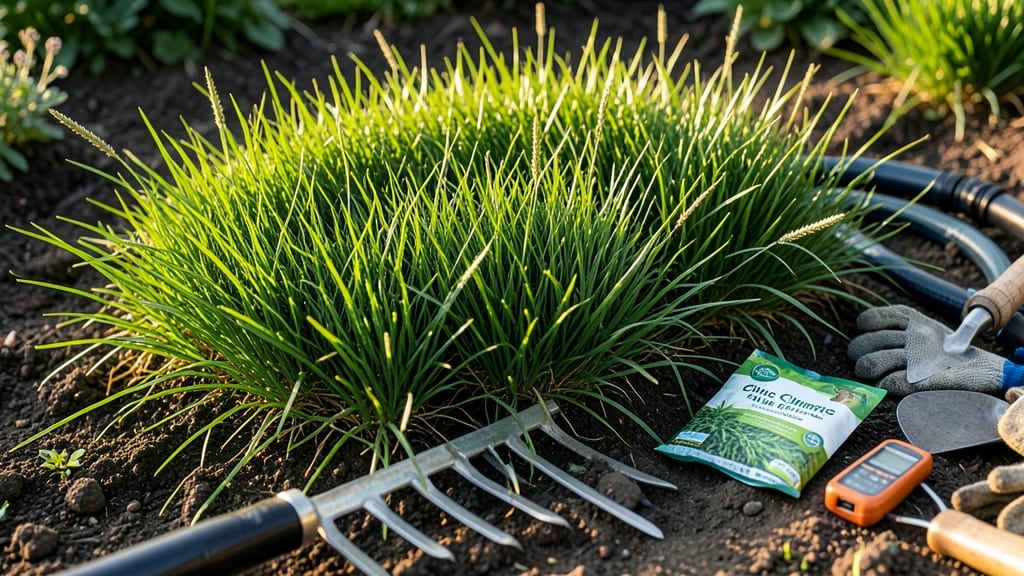
Planting grass seed in Ohio at the wrong time can leave you staring at bare soil for months—unless you nail the perfect window between early spring and late summer.
The key isn’t just picking a month; it’s reading your microclimate, checking soil temps (aim for 50-65°F), and avoiding Ohio’s brutal summer heat or early frosts that can kill new shoots before they take root.
I’ve seen too many gardeners rush planting in late fall, only to watch their seed freeze or rot over winter. The truth?
Ohio’s USDA Zone 6a climate demands patience—your best bet is March-April or September, when cooler temps and consistent moisture give grass seed the fighting chance it needs to germinate in just 2-4 weeks.
But here’s the game-changer: your lawn’s success starts long before you drop the seed. We’ll cover how to prep your soil, choose the right grass type for your yard’s sun exposure, and even use local weather forecasts to pinpoint that 14-day window where germination rates skyrocket.
Skip the guesswork—let’s get your 🌱 lawn off to the fastest, greenest start possible.
Whether you’re fixing bare patches or seeding a whole yard, these insights will save you time, money, and frustration. Ready to transform that patchy mess into a lush carpet? Let’s dive into the exact steps that work for Ohio’s tricky climate.
Ohio’s ideal grass seed planting months by region (northern vs southern)
Ohio’s climate varies dramatically from its northern to southern regions, creating distinct windows for planting grass seed. In the northern part of the state (think Toledo or Cleveland), cooler temperatures arrive earlier, while southern Ohio (like Cincinnati or Columbus) enjoys a longer growing season.
Getting the timing right means the difference between a thriving lawn and a failed investment.
Most Ohio gardeners focus on cool-season grasses like Kentucky bluegrass and tall fescue, which dominate lawns across the state. These varieties thrive when soil temperatures hover between 50°F and 65°F—the sweet spot for germination.
Plant too early, and frost will kill tender sprouts; too late, and summer’s heat will stress young plants before they establish roots.
Here’s the key: Northern Ohio should aim for late April to early May in spring and mid-September to early October in fall. Southern Ohio, with its milder winters, can extend planting into early June and as late as mid-October.
But don’t just pick a month—check your soil temperature with a soil thermometer to confirm readiness.
⚠️ Comparison Table: Ohio Grass Seed Planting by Region
| Region | Best Spring Months | Best Fall Months | Soil Temp Threshold | Key Considerations |
|---|---|---|---|---|
| Northern Ohio | Late April–Early May | Mid-September–Early October | 50°F–65°F | Frost risk higher; prioritize early fall for root growth before winter. |
| Southern Ohio | Early April–Early June | Mid-September–Mid-October | 55°F–65°F | Longer growing season; avoid late summer heat stress. |
| Central Ohio | Mid-April–Late May | Late September–Early October | 50°F–65°F | Balanced climate; adapt to local frost dates. |
Why the difference? Northern Ohio’s shorter growing season demands earlier planting to avoid frost damage. In contrast, southern Ohio’s warmer microclimate allows for a later spring window—but don’t push it past early June.
Heat and drought stress young grass, stunting growth and inviting weeds. For fall planting, aim to finish 6–8 weeks before the first frost to give roots time to establish before winter dormancy.
Pro tip: Use a soil thermometer to confirm readiness. If your soil is below 50°F, wait—even if the calendar says it’s spring. Cool-season grasses like Kentucky bluegrass won’t germinate until the soil warms up. Patience here prevents wasted seed and money.
Another critical factor is rainfall timing. Ohio’s spring showers can make planting easier, but summer droughts require consistent watering. If you’re planting in late spring, be prepared to water daily for the first 2–3 weeks until roots establish.
Fall planting benefits from cooler temps and natural rainfall, reducing irrigation needs.
For northern Ohioans, early fall planting (September) is often the best bet. The soil stays warm enough for germination, but nights cool down, reducing stress on young plants. Southern Ohio gardeners can push into early October, but monitor forecasts—an early frost can derail your lawn before it even starts.
Don’t overlook seed selection. Cool-season grasses dominate Ohio lawns, but if you’re in a southern exposure with hotter microclimates, consider tall fescue blends, which tolerate heat better than Kentucky bluegrass. Mixing seed types can also improve resilience against Ohio’s unpredictable weather.
Finally, prep your soil 2–3 weeks before planting. Test your soil’s pH (aim for 6.0–7.0) and amend with compost or lime if needed. Aerate compacted clay soils to improve water absorption—Ohio’s heavy clay can suffocate young grass roots if not addressed.
Timing your grass seed planting isn’t just about picking a month—it’s about reading your region’s microclimate, soil conditions, and weather patterns. Get it right, and you’ll enjoy a lush, weed-free lawn all season long. 🌱
5 Critical factors that determine the best planting time in Ohio
Ohio’s climate throws curveballs—one week can feel like spring, the next like winter. For grass seed to thrive, you need to look beyond the calendar and focus on five critical factors that create the perfect planting window. These variables separate a lush lawn from a patchy disappointment.
First, soil temperature is your secret weapon. Grass seed needs soil between 50°F and 65°F to germinate reliably. Too cold, and seeds sit dormant; too hot, and they dry out before sprouting.
This isn’t just about the air temperature—it’s about what’s happening 1-2 inches below the surface, where your seeds will be.
Next, rainfall patterns can make or break your timing. Ohio’s spring showers are unpredictable, and summer droughts can turn your freshly planted seeds into crispy snacks.
Aim for a 14-day window with consistent moisture—either from rain or your hose—right after planting. Check the National Weather Service’s 10-day forecast before you buy seed.
🌱 5 Critical Factors for Planting Grass Seed in Ohio
- 🌡️ Soil Temperature: Wait until soil is 50-65°F (use a soil thermometer!). Northern Ohio: late April-early May or mid-September. Southern Ohio: early April or late August.
- 🌧️ Rainfall Forecast: Plant when 1 inch of rain is predicted weekly. Supplement with daily watering (early morning) if needed. Avoid planting during drought alerts.
- ❄️ Frost Dates: Plant 4-6 weeks before the last frost (April 15) or 6-8 weeks before the first frost (October 15). Check Old Farmer’s Almanac for local adjustments.
- 🌱 Grass Seed Type: Cool-season (Kentucky bluegrass, tall fescue) thrives in spring/fall. Warm-season (Bermuda, Zoysia) needs late spring (after May 15) when soil is 70°F+.
- 📊 Local Microclimate: South-facing lawns warm up 1-2 weeks earlier than north-facing areas. Use a weather station app to track your specific zone’s conditions.
Don’t overlook frost dates, which can sneak up faster than you think. Ohio’s average last frost is around April 15, but northern counties like Cleveland can see frost into May.
Planting too early risks a late frost killing your tender seedlings. Conversely, fall planting should wrap up by October 1 to give roots time to establish before winter.
Your grass seed type also dictates timing. Cool-season grasses (like Kentucky bluegrass) are Ohio’s workhorses—they germinate fastest in 55-65°F soil and handle our chilly springs. Warm-season grasses (like Bermuda) need to wait until late spring when soil hits 70°F+, but they’ll outperform cool-season types in summer heat.
Finally, use local weather forecasts like a pro. The National Weather Service and Old Farmer’s Almanac offer hyper-local data. Look for a 14-day window with stable temps and moisture. Pro tip: Set a reminder to check forecasts weekly—Ohio’s weather can shift faster than a politician’s stance!
By mastering these five factors, you’ll turn Ohio’s chaotic weather into your lawn’s greatest ally. The key? Patience and preparation—not just guessing when to plant. 🌱