
Plants
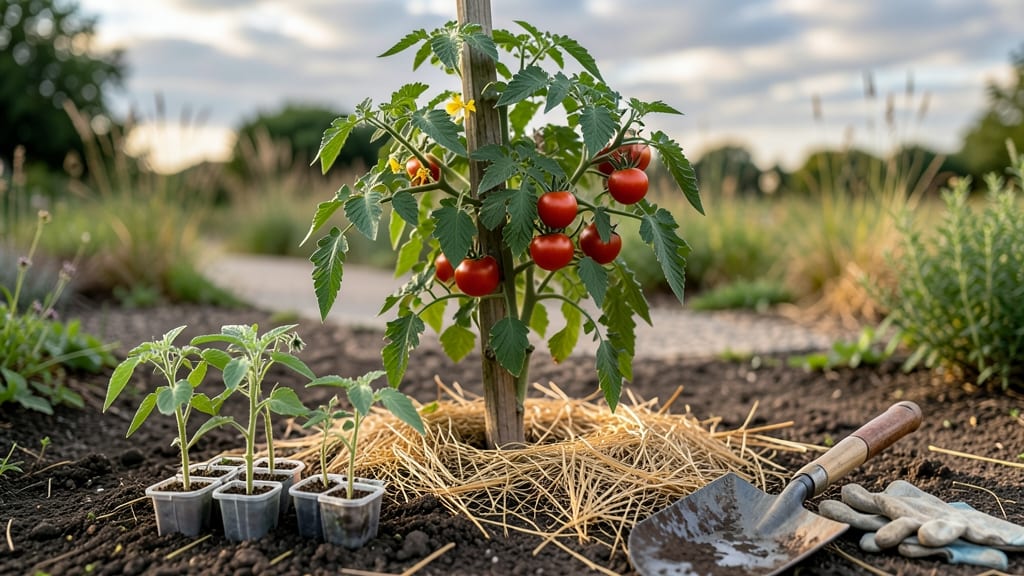
Planting tomatoes in Florida isn’t just about grabbing seeds and sticking them in the dirt—it’s about working with your unique heat zone to avoid common pitfalls like heat stress or wasted effort.
With Florida’s year-round growing potential, you can enjoy fresh 🍅 harvests nearly any month, but timing matters more than you might think.
Most gardeners in Florida’s 8a-11 zones assume they can plant tomatoes anytime, but that’s where mistakes happen. Too early in North Florida’s cooler months, and your plants may struggle; too late in summer, and the heat can overwhelm even the hardiest varieties.
The key is understanding your specific microclimate and adjusting your schedule accordingly.
In this guide, I’ll break down the exact months to plant tomatoes in Florida—whether you’re in the cooler North or the balmy South—plus how to prepare your soil, choose the right varieties, and keep your plants thriving year-round. No more guessing, just proven strategies for a bountiful harvest.
Ready to stop second-guessing and start planting with confidence? Let’s dive into the best windows for your zone, from early spring to late fall, so you can enjoy homegrown tomatoes without the risk of frost or heat damage.
Florida heat zones explained: best planting months by zone for zero-frost tomatoes
Florida’s 11 heat zones (8A–10A) create a unique growing environment where tomatoes thrive year-round with the right timing. Unlike northern states, you won’t face frost damage in most zones—but heat stress becomes the real challenge.
Understanding your specific zone helps you avoid blossom drop in summer or stunted growth in cooler months.
In Zone 8A (North Florida), like Jacksonville, your last frost is around January 15, while Zone 10A (South Florida), including Miami, enjoys frost-free winters.
This means gardeners in South Florida can plant tomatoes year-round, while those in North Florida must time plantings carefully to avoid early-season chills or late-summer heatwaves.
To maximize yields, focus on three key planting windows: early spring (February–April), summer (June–July), and fall (August–October). Each zone has slight variations, but these general rules apply across Florida.
For example, heat-tolerant varieties like 'Solar Fire' or 'Heatmaster' perform best in summer plantings, while cool-season types like 'Celebrity' shine in spring and fall.
Here’s how to align your tomato planting with Florida’s heat zones for zero-frost risk and optimal growth:
In Zone 8A, where frosts are possible, start seeds indoors in January for early spring plantings. Transplant seedlings outdoors after the last frost (mid-March) and again in August for a fall harvest.
This two-cycle approach ensures you avoid both frost and the dog days of summer when temperatures exceed 95°F.
Gardeners in Zone 9A, like Orlando, enjoy a longer growing season but must still strategize. Plant heat-tolerant varieties in June–July and use shade cloth (30–50%) to protect plants from afternoon sun. For fall plantings, start seeds in August to harvest before winter chills arrive in December.
South Florida’s Zone 10A is the envy of tomato lovers—you can plant year-round! However, even here, summer heat can cause blossom drop. Opt for determinate varieties like 'Roma' for quicker harvests and use drip irrigation to keep roots cool.
In December–January, growth slows, but with proper care, you’ll still enjoy fresh tomatoes.
One common mistake is planting too late in spring or too early in fall, leaving plants vulnerable to heat stress or cold snaps. Always check soil temperature—it should be at least 60°F before planting.
Use a soil thermometer to avoid guesswork. For containers, choose heat-resistant pots and place them in partial shade during peak afternoon heat.
To extend your harvest, practice succession planting: sow new seeds every 2–3 weeks during peak seasons. This ensures a continuous supply of tomatoes without overwhelming your garden. Pair this with mulching to retain moisture and pruning to improve airflow—critical in Florida’s humid climate.
Remember, Florida’s humidity and heat create ideal conditions for pests and diseases. Rotate crops annually and remove diseased foliage immediately. With the right zone-specific timing, you’ll enjoy homegrown tomatoes from February through December—or even year-round in South Florida!
How to extend your tomato growing season in Florida without risking frost or heat damage
Florida’s long growing season means you can enjoy homegrown tomatoes almost year-round—but only if you avoid the two biggest threats: frost in winter and heat stress in summer. Even in frost-free zones like Miami, cooler temperatures slow growth, while summer’s relentless sun can scorch plants.
The secret? Strategic timing, shade, and protective structures tailored to Florida’s unique climate.
Start by choosing heat-tolerant varieties like 'Solar Fire' or 'Heatmaster', which thrive in temperatures up to 95°F. These varieties are your first line of defense against Florida’s summer heat. Pair them with succession planting—staggering plantings every 2-3 weeks—to ensure a continuous harvest without overwhelming your space.
For container growers, switch to black pots in summer to absorb heat and white pots in winter to reflect sunlight. Elevate containers on cinder blocks to improve drainage and prevent root rot—a common issue in Florida’s humid climate.
In North Florida (Zones 8A–9A), consider hoop houses or greenhouse row covers to extend the season into early spring and late fall.
Monitor soil temperature closely—tomatoes struggle when soil drops below 55°F or rises above 90°F. Use a soil thermometer to guide planting decisions.
In summer, drip irrigation keeps foliage dry, reducing the risk of early blight and septoria leaf spot, two fungal diseases that thrive in Florida’s heat and humidity.
Pro tip: Prune suckers aggressively in summer to redirect energy to fruit production. Limit pruning to removing only the lowest suckers to avoid stressing plants during peak heat. Pair this with weekly inspections for pests like hornworms and aphids, which explode in Florida’s warm winters.
With these strategies, you can enjoy tomatoes from February through December—no frost, no scorched leaves, just a steady supply of homegrown flavor. Start small, experiment with varieties, and adjust your approach based on your microclimate. Happy growing! 🌱