
Plants
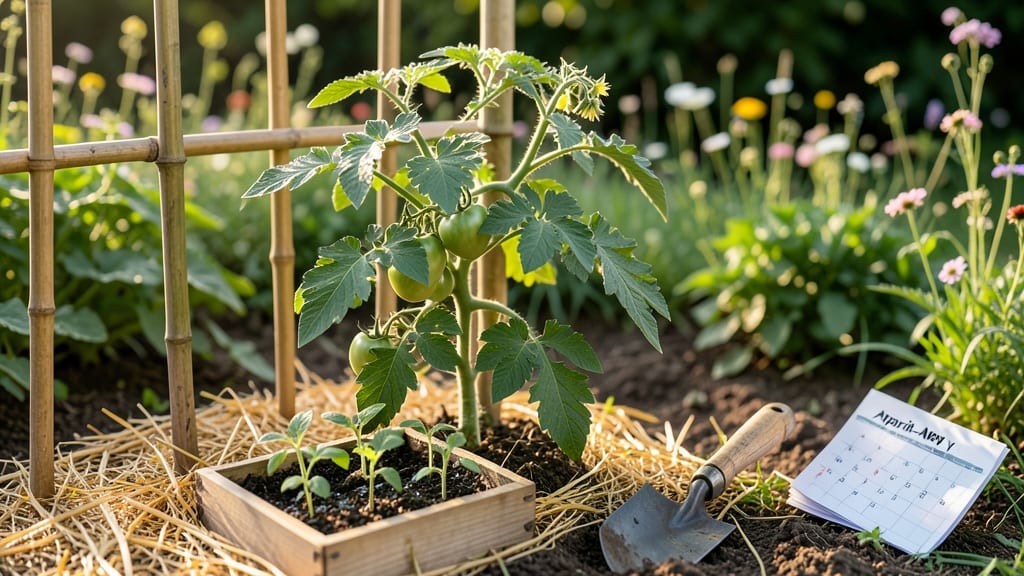
Planting tomatoes in Washington State isn’t just about timing—it’s about unlocking a longer harvest and avoiding the heartbreak of frost-nipped plants. With USDA zones ranging from 6b in Spokane to 8b near Seattle, your window to start seeds or set transplants shifts dramatically depending on where you garden.
Most gardeners in the Evergreen State wait until mid-April to early June, but that’s just the beginning.
Whether you’re in the cooler coastal areas or the warmer inland valleys, knowing the last frost date and soil temperature is the key to getting your 🍅 plants off to a strong start.
In this guide, I’ll break down the exact months for planting—plus how to stretch your harvest by choosing the right varieties and adjusting for microclimates. You’ll learn which tomatoes thrive in Washington’s short season and how to protect them from late frosts or early chills.
Ready to grow juicier, more flavorful tomatoes than you’ve ever tasted from the grocery store? Let’s dive into the perfect planting schedule for your zone—and set you up for a summer of homegrown goodness.
Washington State tomato planting calendar by USDA zones 7-9
Timing is everything when planting tomatoes in Washington State, where USDA Zones 7-9 create distinct microclimates. In Zone 7a (e.g., Wenatchee), you’ll plant earlier than in Zone 9a (e.g., Yakima Valley), where summer heat arrives sooner.
The key is aligning your transplant dates with soil warmth and frost risk to stretch your harvest from July to October.
Washington’s last frost dates range from late March in Zone 7a to early April in Zone 9a, but don’t rush—tomatoes thrive when soil hits 60°F. For a longer harvest, stagger plantings: early varieties in April-May and late varieties in June.
This ensures fruit ripens before first frost, which hits as early as late October in Zone 7a.
Soil preparation is critical. Amend beds with compost and use black plastic mulch to warm soil faster, especially in cooler Zone 7 areas. In Zone 9a, where summers are hotter, prioritize shade cloth to prevent sunscald on fruit. Both strategies protect your investment in seedlings or transplants.
| USDA Zone | Early Varieties (60-70 days) | Mid Varieties (70-80 days) | Late Varieties (80-90 days) | Harvest Window |
|---|---|---|---|---|
| 7a (Wenatchee) | April 15–May 1 | May 1–15 | June 1–15 | July 15–Sept 15 |
| 7b (Pullman) | April 20–May 5 | May 5–20 | June 1–20 | July 20–Sept 20 |
| 8a (Seattle) | April 25–May 10 | May 10–25 | June 1–25 | July 25–Oct 5 |
| 9a (Yakima) | May 1–15 | May 15–30 | June 10–30 | Aug 1–Oct 15 |
For Zone 7a, focus on early-maturing varieties like 'Mountain Merit' or 'Stupice', which tolerate cooler nights. In Zone 9a, heat-loving 'Solar Fire' or 'Heatmaster' shine.
Pro tip: Use row covers in Zone 7 to protect seedlings from late frosts, and remove them once flowers appear to prevent blossom drop.
If you’re growing heirloom tomatoes in Zone 8a, like 'Brandywine', start seeds indoors in March and transplant after May 10. These varieties need longer growing seasons, so prioritize south-facing beds with afternoon shade. In
How to adjust planting times for Washington’s microclimates
Washington’s three distinct microclimates—Puget Sound, Eastern Washington, and the Columbia Basin—each demand unique tomato planting strategies. Coastal areas like Seattle stay cooler and wetter, while inland zones like Yakima experience hotter, drier summers. Understanding these differences helps you extend your harvest and avoid frost damage.
In Puget Sound (Zone 8-9), the ocean moderates temperatures, but late spring frosts can linger until early May. Meanwhile, Eastern Washington (Zone 6-7) faces earlier frost risks and hotter summers, requiring earlier starts indoors.
The Columbia Basin (Zone 6-7) has longer growing seasons but needs soil warming techniques to kickstart growth.
⚠️ Critical Timing Mistake in WA
Planting tomatoes too early in Puget Sound risks frost damage, while late planting in Eastern WA shortens harvests. Soil temperature (not air temp) determines readiness—aim for 60°F+ before transplanting. Use a soil thermometer to avoid delays!
For Puget Sound gardens, start seeds indoors by mid-March and transplant after May 15 when nighttime temps stay above 50°F. Use row covers until late May to protect young plants from lingering frost.
In Eastern WA, begin seeds indoors by early March and transplant by mid-April—earlier than coastal areas—to capitalize on the longer summer.
The Columbia Basin offers the longest growing season but requires soil warming tricks. Lay black plastic mulch 2-3 weeks before planting to raise soil temps by 10-15°F.
Combine this with cold frames for early varieties like 'Early Girl' or 'Stupice', which tolerate cooler soils. These methods can push harvests 2-3 weeks earlier than unprotected plantings.
Don’t overlook fall planting in all regions! In Zone 8-9 (Puget Sound), sow cold-hardy varieties like 'Siberian' or 'Glacier' in late July for harvests before frost. In Zones 6-7, opt for fast-maturing cherry tomatoes planted by mid-August—they’ll ripen before first frost (late October in inland areas).
Pro tip: Use a frost watch calendar from your local WSU Extension office to pinpoint last frost dates in your microclimate. Pair this with a planting schedule app like Gardenate to adjust for your specific elevation and aspect.
With these tweaks, you’ll maximize your harvest window—whether you’re in a rainy coastal garden or a sunbaked valley.